July 1, 2026

Gut Health and Sedentary Office Life: How Ready-to-Eat Meals and Simple Movement Can Support Everyday Wellness


Supporting Better Digestion in a Desk-Bound Work Environment

Modern office life often means spending most of the day seated in front of a computer, attending virtual meetings, and working under tight deadlines. While technology has improved productivity, it has also contributed to a more sedentary lifestyle that can affect digestive health.


Long hours of sitting, irregular eating patterns, and limited physical activity may contribute to common digestive complaints such as bloating, constipation, discomfort after meals, low energy, and difficulty concentrating.


The good news is that supporting gut health does not require drastic lifestyle changes. A combination of balanced ready-to-eat meals and simple daily movement can help promote better digestion and overall well-being, even during the busiest workdays.


Why Gut Health Matters for Office Workers


The digestive system does much more than process food. It plays an important role in nutrient absorption, immune function, energy regulation, and overall wellness.


For office workers, gut health can be influenced by several factors commonly associated with sedentary work, including:


  • Prolonged sitting throughout the day
  • Limited physical activity
  • Irregular meal schedules
  • Frequent consumption of convenience foods with little variety
  • Stress and workload pressures
  • Inadequate hydration


Over time, these habits may slow digestive processes and contribute to feelings of discomfort, fatigue, and reduced productivity.


The Role of Ready-to-Eat Meals in a Busy Lifestyle


For many professionals, preparing fresh meals every day is not always practical. Ready-to-eat meals and convenient food products provide an accessible solution that helps workers maintain regular meal schedules despite demanding workloads.


  • When selected and paired thoughtfully, ready-to-eat meals can help:
  • Prevent skipping meals
  • Support consistent eating habits
  • Provide protein and other essential nutrients
  • Reduce reliance on vending machine snacks and fast food
  • Make balanced eating more achievable during busy workdays


The focus should not be on avoiding convenience foods altogether, but on choosing options that contribute to a more balanced diet.


Building a Gut-Friendly Ready-to-Eat Meal


A simple way to improve the nutritional quality of ready-to-eat meals is to combine them with foods that support digestive health.


A balanced meal can include:


  • A protein source: Ready-to-eat meat, poultry, fish, eggs, or legumes provide protein for muscle maintenance and overall body functions 
  • Vegetables: Provide dietary fiber for healthy digestion 
  • Fruits: Add fiber and essential nutrients for overall health 
  • Whole grains: Help provide sustained energy throughout the day 
  • Water: Supports hydration and supports healthy digestion

Simple meal ideas:


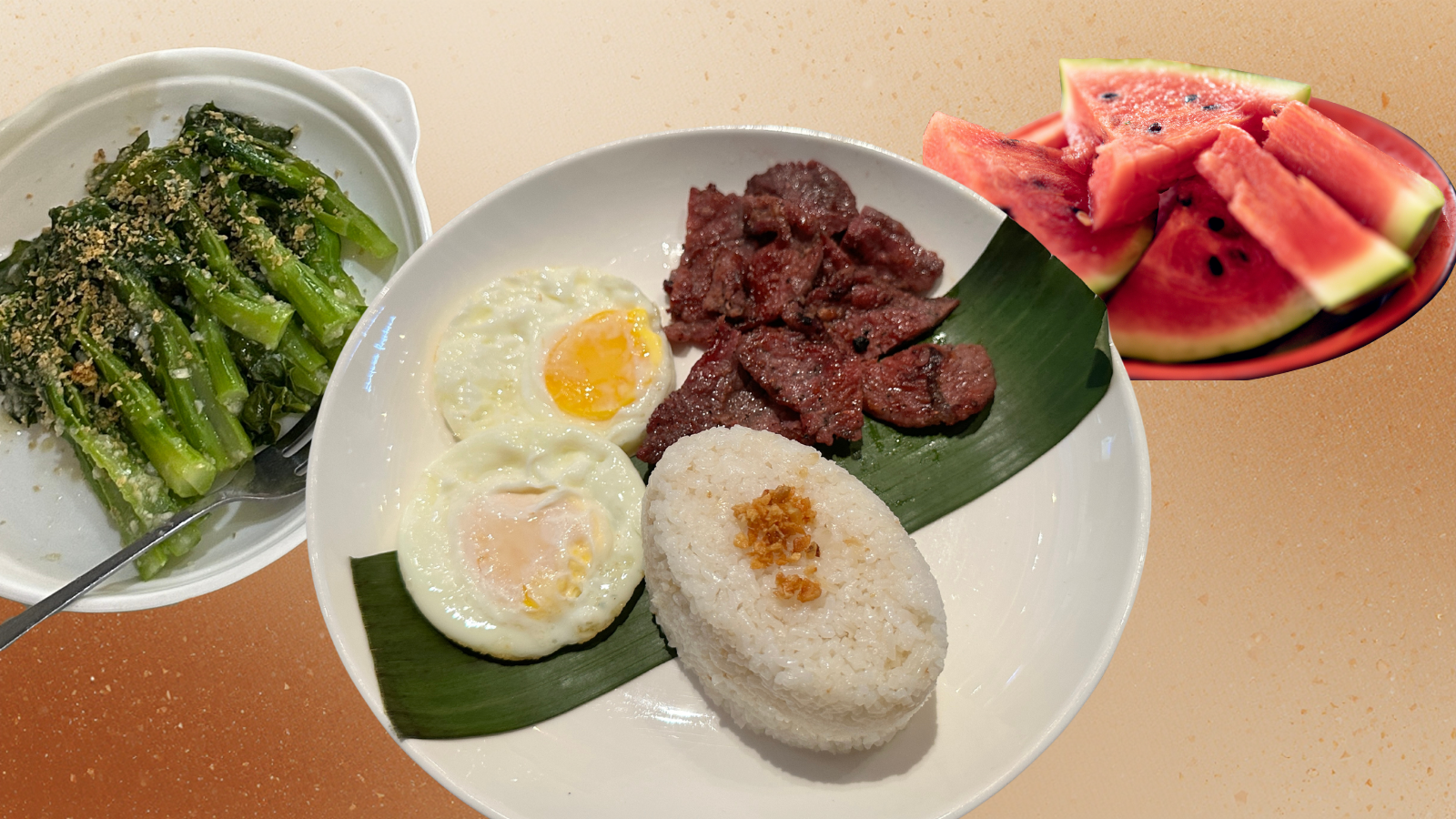
  • Corned beef served with sautéed vegetables and brown rice
  • Chicken sausage paired with a fresh vegetable salad
  • Tuna with whole wheat bread, cucumber, and tomatoes
  • Ready-to-eat viands complemented with papaya, banana, or other fruits


These simple additions can enhance meal quality without requiring significant preparation time.


Movement Matters: Helping Digestion Through Physical Activity


Food is only part of the equation. Physical activity also plays an important role in maintaining digestive health.

Regular movement helps stimulate normal digestive function and may support bowel regularity. Even light activity can be beneficial, particularly for individuals who spend most of the day sitting.


Easy ways to move more at work:


  • Stand up every hour
  • Stretch between meetings
  • Take short walking breaks
  • Use stairs whenever possible
  • Walk for 5-10 minutes after meals
  • Perform light desk exercises


These small actions can help counter the effects of prolonged sitting and support overall digestive comfort.


The Power of Combining Smart Eating and Simple Movement


For sedentary office workers, the most practical approach to gut health is not a restrictive diet or an intense fitness program. Instead, it is a combination of balanced eating and regular movement.


Ready-to-eat meals can provide convenient nutrition, while small bouts of physical activity throughout the day help support healthy digestion. Together, these habits can contribute to improved digestive comfort, better energy levels, increased satiety, reduced afternoon sluggishness, and enhanced workplace productivity.


Small, sustainable habits—such as adding vegetables and fruits to ready-to-eat meals, staying hydrated, and taking regular movement breaks—can make a meaningful difference in supporting better digestion, energy, and overall well-being.

July 1, 2026
San Miguel Food and Beverage, Inc. (SMFB) held its Annual Stockholders' Meeting on June 3, 2026, at the SMC Head Office Complex Executive Dining Room, with stockholders able to participate both in person and via livestream. During the meeting, management presented the Group's full-year 2025 and first-quarter 2026 results and discussed key priorities for its three core businesses—San Miguel Foods, San Miguel Brewery, and Ginebra San Miguel. SMFB’s first-quarter net income rose 2% to P11.8 billion, supported by gains in its food and spirits businesses, stable beer performance, and disciplined cost management amid a more uncertain operating environment.
July 1, 2026
By Mario V. Capanzana, PhD, RChE, PFT Executive Director, Philippine Chamber of Food Manufacturers Inc. (PCFMI)
June 5, 2026
San Miguel Foods (SMF) joined the Department of Trade and Industry's (DTI) Tatak Pinoy event held from May 25 to 27, 2026 at the SMX Convention Center Manila in Pasay City — a three-day showcase celebrating the strength, diversity, and global competitiveness of Philippine industries. The event brought together key sectors of the Philippine economy, including Information Technology and Business Process Management, Food and Agro-Processing, Semiconductors, Pharmaceuticals, and Defense Manufacturing, among others. More than an exhibit, Tatak Pinoy served as a platform for industry linkages, investment promotion, and the advancement of locally manufactured products in both domestic and international markets.
April 15, 2026
Food is fuel—but not all diets are the same. A person going about daily life has very different nutrition needs than an athlete training hard every day. Understanding these differences can help you eat smarter, stay healthy, and perform your best.
April 15, 2026
What Is an Intelligent Diet? An intelligent diet is a practical expression of personalized nutrition. It provides the right nutrients, in the right amounts, at the right time, for the right person. Instead of labeling foods as “good” or “bad,” it focuses on how foods fit into an individual’s lifestyle and health goals.
April 15, 2026
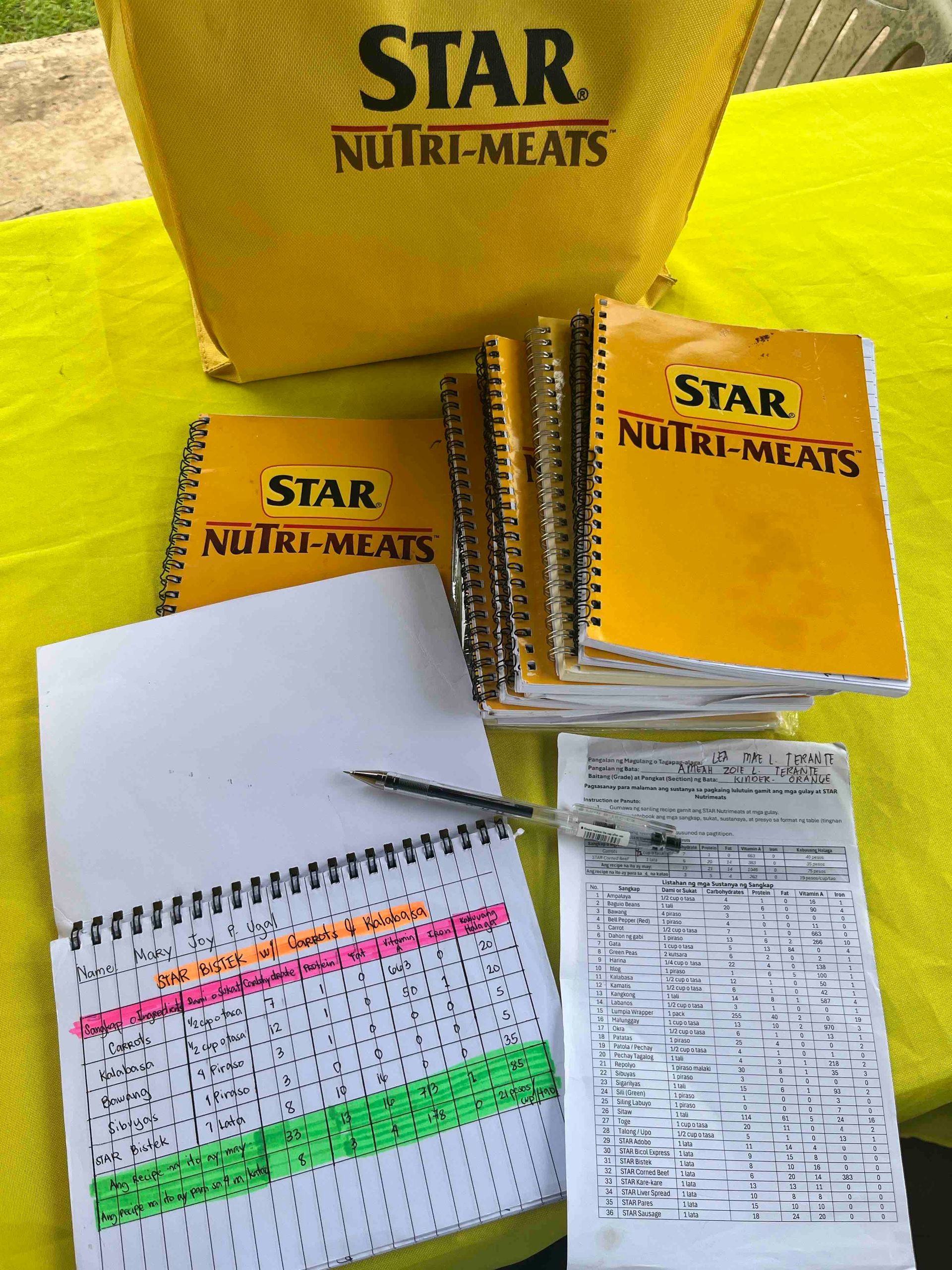
Healthy eating starts with knowledge, access to nutritious ingredients, and simple ways to prepare meals at home. This was the focus of the Gulayan Festival 2025–2026 (Division Level) , organized by the Schools Division Office of Quezon City on March 6, 2026, with San Miguel Foods’ Star Nutri-Meats proudly supporting school gardens, nutrition education, and practical cooking for Filipino families.
March 15, 2026
San Miguel Foods (SMF) has partnered with the Government Service Insurance System (GSIS) to make its livelihood and small business programs more accessible to GSIS members, pensioners, dependents, and eligible public sector cooperatives and unions. Through the partnership, GSIS stakeholders will have a dedicated channel to access SMF's livelihood and community reseller programs, which are also available to other interested participants nationwide. Qualified applicants may become community resellers of SMF products for as low as P2,000, with no franchise or royalty fee required. They will gain access to a wide range of trusted food products, including hotdogs, nuggets, bacon, corned beef, luncheon meat, ice cream, cheese, margarine, salad aids, and coffee mixes. Selected partners may also offer Magnolia Chicken products, including Magnolia Timplados. 
December 29, 2025
San Miguel Foods (SMF) strengthened its commitment to marine biodiversity conservation with the latest deployment of its Coral Rescue Program in Anilao, Mabini, Batangas—home to the company’s San Miguel Mills flour milling plant, B-MEG feedmill, and Golden Bay Grain Terminal. Last month, nine licensed divers transplanted 150 new coral fragments under the guidance of a marine biologist. This latest activity builds on SMF’s three-year effort to restore a once-barren stretch of seafloor into a growing, life-sustaining reef. A three-year journey of marine restoration SMF launched the Coral Rescue Program in 2022, planting 110 initial coral fragments that achieved an 80% survival rate. This early success encouraged the return of over 610 individual reef fish from 31 species, showing clear signs of ecological recovery. The program expanded further in 2024 with 215 additional coral fragments planted by employee volunteers and partner divers. These efforts grew the rehabilitated reef area to over 570 square meters and attracted 35 fish species from 17 families, along with reef-associated organisms such as sea stars, tunicates, corallimorpharians, feather stars, anemones, and sea cucumbers. 2025 Results: More life, more color, more growth With the most recent coral rescue dive, the reef continues to flourish. The site now supports: 34 fish species More than 2,000 individual reef fish Over 100 kg of total fish biomass A growing community of reef-associated invertebrates These numbers highlight a thriving marine habitat and reflect the long-term impact of consistent, science-based reef restoration. Powered by passionate volunteers One of the program’s staunch advocates is an employee who is a licensed diver, and who is present every year and volunteers his time, skills, and passion for environmental stewardship. Sid Buenaflor, a B-MEG sales account specialist, says, “It’s fulfilling to see life slowly returning to an area that used to be bare. Knowing our small actions can help restore balance to the ocean is incredibly rewarding.”  Part of SMF’s Handog Kalikasan advocacy The Coral Rescue Program is implemented under Handog Kalikasan, one of the pillars of San Miguel Foods’ flagship CSR program, Handog. This program also supports initiatives in health (Kalusugan), education (Karunungan), and community development (Komunidad). Through Handog Kalikasan, San Miguel Foods continues to invest in long-term environmental protection, helping safeguard the natural ecosystems that sustain local communities.
December 28, 2025
San Miguel Foods has successfully completed Phase 2 of its expanded early childhood nutrition program, “Happy si Mommy, Malusog si Baby: 1,000 Babies for the First 1,000 Days,” with 1,002 mothers and their infants now receiving sustained nutrition and wellness support during the crucial first two years of life. Phase 2 focuses on nutrition supplementation and emotional wellness for new mothers and infants aged six months and above. In collaboration with San Miguel Foundation and with the support of Childfam Possibilities Psychosocial Services and local government units, participating families received a year-long supply of Mingo Meals—a nutrient-rich complementary food made of rice, mongo, and malunggay—along with practical education on self-care, stress management, post-partum recovery, and positive parenting. To strengthen community health systems, 176 barangay health workers were trained to cascade the above topics at the barangay level. Meanwhile, 155 San Miguel Foods employee-volunteers facilitated small-group conversations with mothers across the country, creating safe and supportive spaces for sharing experiences, navigating the challenges of early motherhood, and building confidence in caring for their children. As Phase 2 concluded, 95% of monitored babies registered normal height and weight—an encouraging indicator of the program’s sustained impact on early childhood growth. Now in its second year of nationwide implementation, the program continues to demonstrate strong community engagement, improved maternal wellness, and healthier growth outcomes for infants enrolled since pregnancy during Phase 1. Through the initiative, San Miguel Foods underscores its commitment to supporting mothers not only through proper nutrition, but also through emotional and mental well-being—recognizing that holistic care during the first 1,000 days plays a critical role in shaping lifelong health outcomes for both mother and child, and in creating lasting impact in the communities it serves. Phase 3 of the program will commence next year, focusing on sustained nutrition support and early learning activities for toddlers. With “Happy si Mommy, Malusog si Baby,” San Miguel Foods continues to advance its mission of nourishing lives, empowering caregivers, and helping build a healthier future for Filipino families.
By Coach Oca December 27, 2025
Every time we see or hear the word “nitrates”, we almost instantly react to it as being bad or evil. We usually encounter nitrates in food like cured meats, longganisa, tapa, tocino, and sausage—and we associate these kinds of food to being unhealthy. How much of this fear is justified? And how much of it is based on unfounded science? What if nitrates were actually beneficial to our health? What if discarding them from our diet means we are missing out on a good thing? Nitrates are found in nature. They are naturally occurring ions composed of nitrogen and oxygen and are found ordinarily in soil, water, and plants. When ingested, nitrates accumulate in the saliva, converted into nitrites, and eventually become Nitric Oxide (NO) in the gut, which is important to maintaining our vascular health (healthy circulatory system). Nitric Oxide is a gaseous molecule that acts as a crucial signaling molecule in blood vessel dilation, neurotransmission, and immune response. It is because of Nitric Oxide that our blood pressure is stable. The lack of it could lead to hypertension and the beginning of a cardiovascular disease. The history of nitrates goes back to ancient civilizations (Sumerians, Greeks, Romans) when the practice of salting meats to draw moisture and preserve its flavor was popularized. Adding potassium nitrate (saltpeter) would give the meat a reddish color as the nitrates react to the proteins (myoglobin) in the meat. Nitrates are most commonly sourced from vegetables like spinach, beets, lettuce, and celery. The health concerns about nitrates stem from some animal research where nitrates were found to react to amines in an acidic environment forming “nitrosamines”. This allegedly has the potential to damage our DNA, by promoting mutations, and can therefore be carcinogenic. However, none of these tests have been done on humans, and the correlational studies have been found weak. Thus, the over-all benefits of eating food with nitrates is still quite convincing. Nitrates can be quickly absorbed through the saliva and converted to nitrite by oral bacteria and then converted to Nitric Oxide in the stomach. As the bloodstream picks them up, one can immediately get the benefits of vasodilation in the artery walls, resulting to more stable blood pressure—a key marker for cardiovascular health. Moreover, nitrites have also been found to help improve mitochondria efficiency, allowing healthy ATP production (energy molecules) in the cells and improving insulin sensitivity. Nitrite also promotes conversion of white fat (the slow metabolism fat) to beige fat which leads to higher mitochondrial uncoupling for better metabolic health. I believe that nitrates have been unfairly judged in the medical field due to the society’s older biases against meats, including processed meats. Meats, especially from properly-raised cows, are nature’s most complete food for humans. Indeed, we have evolved these strong bodies and brains of ours from a meat-eating, animal- hunting, cave dwelling group of ancestors into conscious-eaters today. Today, our ancestors’ food preparation practices of meat preservation and cooking learned thousands ago have evolved into more interesting ways of preparing our modern-day steaks, barbecues, patties, sausages, hams, morcon, asado, and many other traditional methods all over the world. The more important thing to consider is promoting the use of natural (ideally, organic) ingredients and to avoid chemicals and preservatives that come from modern-day laboratories. Stay healthy! Eat your meat! Dietary Nitrate, Nitric Oxide, and Cardiovascular Health - PubMed [Internet]. PubMed Central. [cited 2025Jul.29]. Available from: https:// pubmed.ncbi.nlm.nih.gov/25976309/ Meta-analysis of prospective studies of red meat consumption and . [Internet]. PubMed Central. [cited 2025Jul.29]. Available from: https:// pubmed.ncbi.nlm.nih.gov/21540747/ Nitrate and nitrite in the diet: how to assess their benefit and risk for . [Internet]. PubMed Central. [cited 2025Jul.29]. Available from: https:// pubmed.ncbi.nlm.nih.gov/25164923/
More Posts