Nitrates for Healthy Arteries
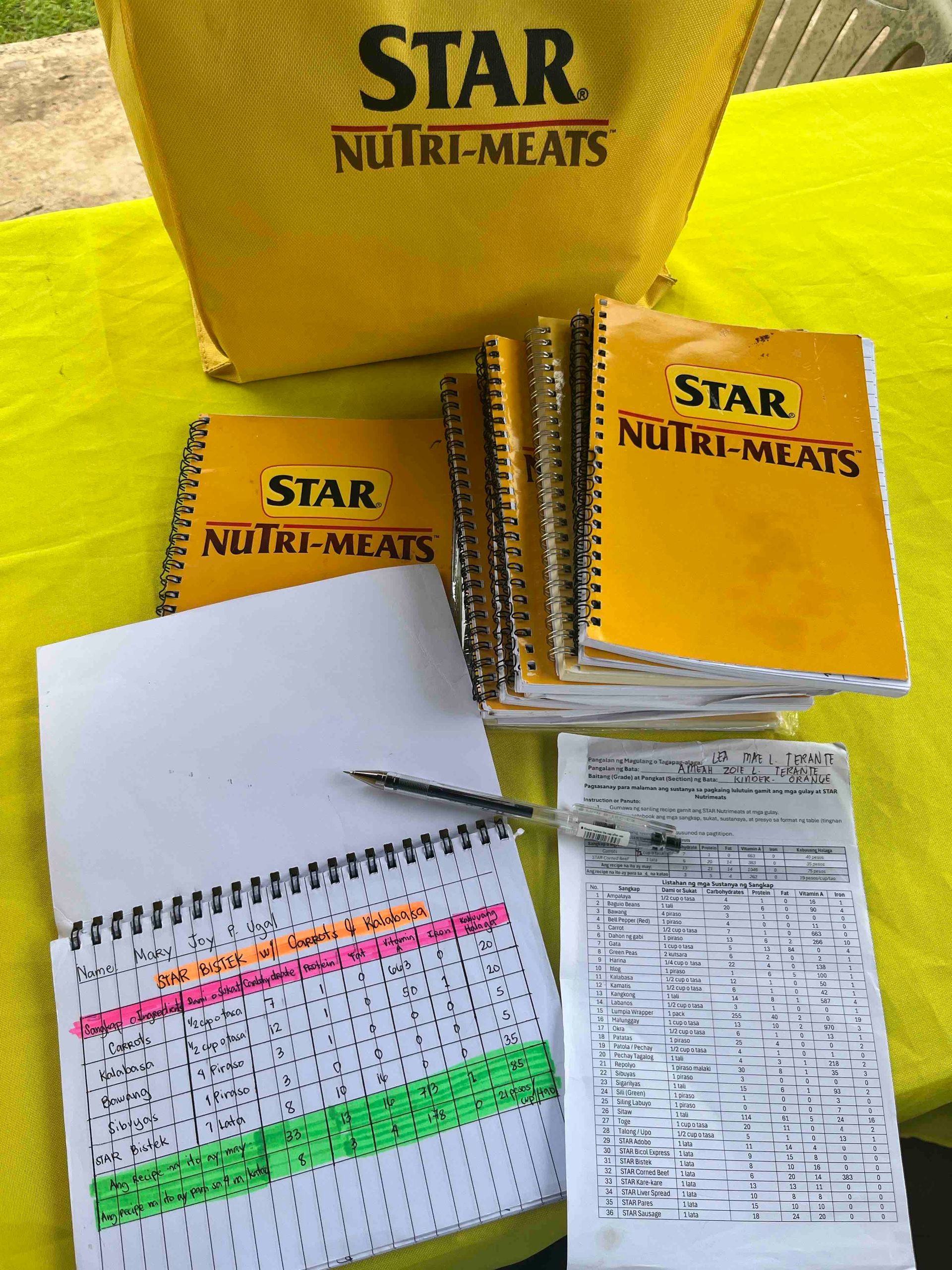
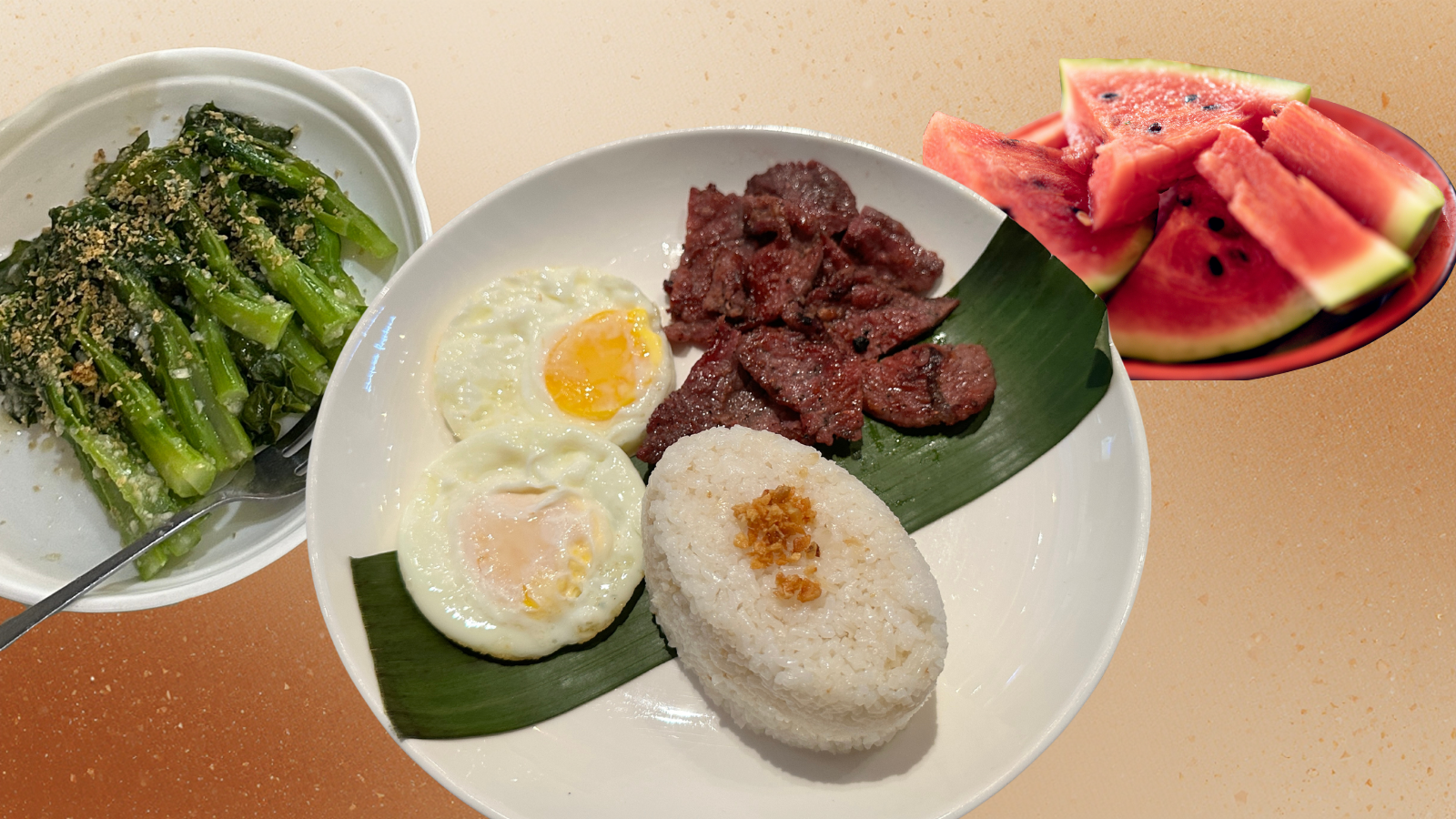
Every time we see or hear the word “nitrates”, we almost instantly react to it as being bad or evil. We usually encounter nitrates in food like cured meats, longganisa, tapa, tocino, and sausage—and we associate these kinds of food to being unhealthy. How much of this fear is justified? And how much of it is based on unfounded science?
What if nitrates were actually beneficial to our health? What if discarding them from our diet means we are missing out on a good thing?
Nitrates are found in nature. They are naturally occurring ions composed of nitrogen and oxygen and are found ordinarily in soil, water, and plants. When ingested, nitrates accumulate in the saliva, converted into nitrites, and eventually become Nitric Oxide (NO) in the gut, which is important to maintaining our vascular health (healthy circulatory system). Nitric Oxide is a gaseous molecule that acts as a crucial signaling molecule in blood vessel dilation, neurotransmission, and immune response. It is because of Nitric Oxide that our blood pressure is stable. The lack of it could lead to hypertension and the beginning of a cardiovascular disease.
The history of nitrates goes back to ancient civilizations (Sumerians, Greeks, Romans) when the practice of salting meats to draw moisture and preserve its flavor was popularized. Adding potassium nitrate (saltpeter) would give the meat a reddish color as the nitrates react to the proteins (myoglobin) in the meat. Nitrates are most commonly sourced from vegetables like spinach, beets, lettuce, and celery.
The health concerns about nitrates stem from some animal research where nitrates were found to react to amines in an acidic environment forming “nitrosamines”. This allegedly has the potential to damage our DNA, by promoting mutations, and can therefore be carcinogenic. However, none of these tests have been done on humans, and the correlational studies have been found weak.
Thus, the over-all benefits of eating food with nitrates is still quite convincing. Nitrates can be quickly absorbed through the saliva and converted to nitrite by oral bacteria and then converted to Nitric Oxide in the stomach. As the bloodstream picks them up, one can immediately get the benefits of vasodilation in the artery walls, resulting to more stable blood pressure—a key marker for cardiovascular health.
Moreover, nitrites have also been found to help improve mitochondria efficiency, allowing healthy ATP production (energy molecules) in the cells and improving insulin sensitivity. Nitrite also promotes conversion of white fat (the slow metabolism fat) to beige fat which leads to higher mitochondrial uncoupling for better metabolic health.
I believe that nitrates have been unfairly judged in the medical field due to the society’s older biases against meats, including processed meats. Meats, especially from properly-raised cows, are nature’s most complete food for humans. Indeed, we have evolved these strong bodies and brains of ours from a meat-eating, animal- hunting, cave dwelling group of ancestors into conscious-eaters today. Today, our ancestors’ food preparation practices of meat preservation and cooking learned thousands ago have evolved into more interesting ways of preparing our modern-day steaks, barbecues, patties, sausages, hams, morcon, asado, and many other traditional methods all over the world. The more important thing to consider is promoting the use of natural (ideally, organic) ingredients and to avoid chemicals and preservatives that come from modern-day laboratories.
Stay healthy! Eat your meat!
Dietary Nitrate, Nitric Oxide, and Cardiovascular Health - PubMed [Internet]. PubMed Central. [cited 2025Jul.29]. Available from: https:// pubmed.ncbi.nlm.nih.gov/25976309/
Meta-analysis of prospective studies of red meat consumption and . [Internet]. PubMed Central. [cited 2025Jul.29]. Available from: https:// pubmed.ncbi.nlm.nih.gov/21540747/
Nitrate and nitrite in the diet: how to assess their benefit and risk for . [Internet]. PubMed Central. [cited 2025Jul.29]. Available from: https:// pubmed.ncbi.nlm.nih.gov/25164923/