July 1, 2026
Food Reformulation and Sodium Reduction: A Food Scientist’s Perspective
By Mario V. Capanzana, PhD, RChE, PFT
Executive Director, Philippine Chamber of Food Manufacturers Inc. (PCFMI)
When discussions about healthy eating arise, salt is often one of the first topics mentioned. We frequently hear advice to "eat less salt" to help prevent high blood pressure, heart disease, and other health conditions. While the health benefits of reducing excessive sodium intake are clear, the conversation is often more complex than many people realize.
From a food science standpoint, reducing sodium involves much more than cutting salt from one’s diet. It requires balancing nutrition goals with food safety, product quality, affordability, and consumer acceptance to create healthier food choices for everyone.
Salt Does More Than Add Flavor
Most people associate salt with taste. However, in food manufacturing, salt plays several important roles beyond making food flavorful.
Salt helps preserve food, control the growth of harmful microorganisms, improve texture, and maintain product quality. In products such as bread, sauces, processed meats, snacks, and instant noodles, salt contributes to characteristics that consumers have come to expect and enjoy.
This is why reducing sodium is not always as simple as taking salt out of a recipe. Food manufacturers must carefully balance health objectives with food safety, quality, and consumer acceptance.
The Challenge of Changing Taste Preferences
Our preference for salty foods develops over time. Some people naturally enjoy saltier foods than others, and research suggests that genetics may even influence how sensitive we are to salty tastes.
Because taste preferences are deeply ingrained, sudden reductions in sodium can sometimes lead consumers to reject products they previously enjoyed. For this reason, many successful sodium-reduction initiatives around the world have adopted a gradual approach, allowing consumers' palates to adjust over time.
The good news is that people can adapt. Small, incremental reductions in sodium often go unnoticed while still contributing to improved public health outcomes over the long term.
Food Reformulation Is Part of the Solution
Food reformulation—the process of improving the nutritional profile of food products—has become one of the most effective strategies for reducing sodium intake at the population level.
Advances in food science have enabled manufacturers to lower sodium while maintaining taste and quality through better ingredient combinations, improved processing techniques, and the use of herbs, spices, and flavor-enhancing ingredients.
This allows consumers to benefit from healthier products without requiring major changes in their daily eating habits.
A Shared Responsibility
Reducing sodium intake cannot be achieved by any single group acting alone. It requires collaboration among government, industry, health professionals, researchers, and consumers.
The government can provide science-based policies and nutrition programs. Researchers can generate evidence and innovative solutions. Healthcare professionals can help educate the public about healthy dietary practices. The food industry can continue investing in product improvements and innovation.
Consumers also play an important role by making informed food choices and understanding where sodium comes from in their diets.
When all sectors work together, meaningful and sustainable progress becomes possible.
Looking Beyond Sodium
Sodium reduction is ultimately about more than lowering numbers on a nutrition label. It is about helping create food environments that support healthier lifestyles while respecting consumer preferences, food traditions, affordability, and food security.
As food scientists, we recognize the importance of improving nutrition outcomes. At the same time, we understand the need for practical and balanced solutions that consider the realities of food production and consumer behavior.
The path toward healthier diets is not built through isolated actions but through partnership, innovation, and shared responsibility. By working together, we can continue improving the food supply while ensuring that foods remain safe, enjoyable, and accessible to all Filipinos.
Healthy eating is not about eliminating foods we enjoy. It is about making gradual, sustainable improvements that benefit both individuals and the society.

Dati, akala ko ay madali lang gawing healthy ang pagkain ng pamilya. Kumain ng mas maraming gulay at prutas. Bawasan ang matatamis at maalat. Siguraduhing nakakakain nang maayos ang mga anak. Simple lang, 'di ba? Pero iba pala kapag nanay ka na kailangang mag-plano ng lulutuin -- mamamalengke, mag-bubudget, maghahanda ng pagkain, at sisiguraduhing makakakain ang lahat. Kaya ang akala ko ay magkaiba ang masustansiyang pagkain at pagkaing madaling lutuin araw-araw .
With so much nutrition information available today, choosing what to eat can sometimes feel overwhelming. Food labels, health claims, social media posts, and nutrition advice can all influence the way we see and choose our food. The good news? Making better food choices does not require following complicated rules. It starts with understanding the information available and putting it into context. Being food-informed means looking beyond simple claims, asking thoughtful questions, and considering how each food fits into your overall eating pattern.
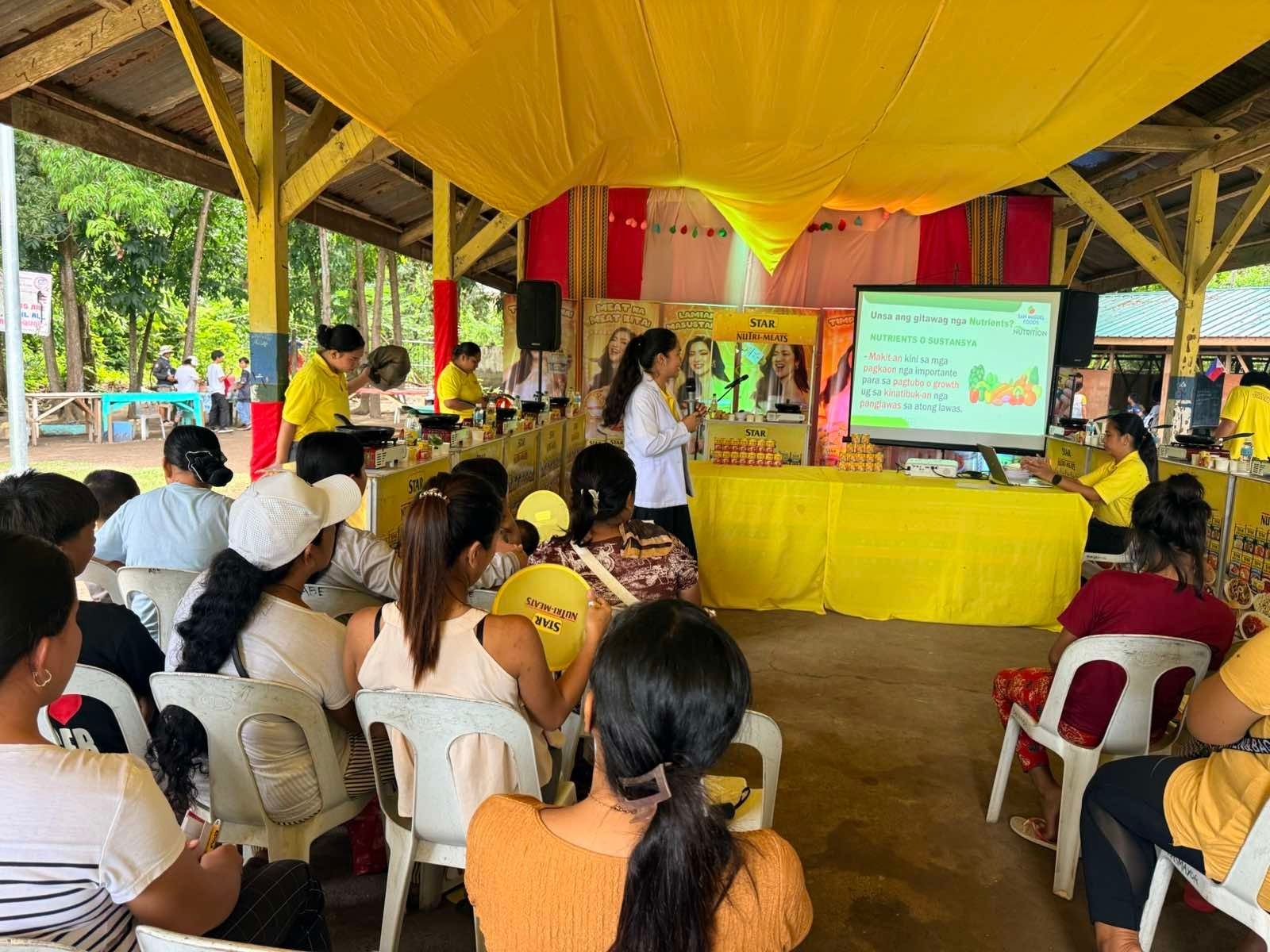
What happens when nutrition education moves beyond the classroom and into the everyday realities of Filipino families?
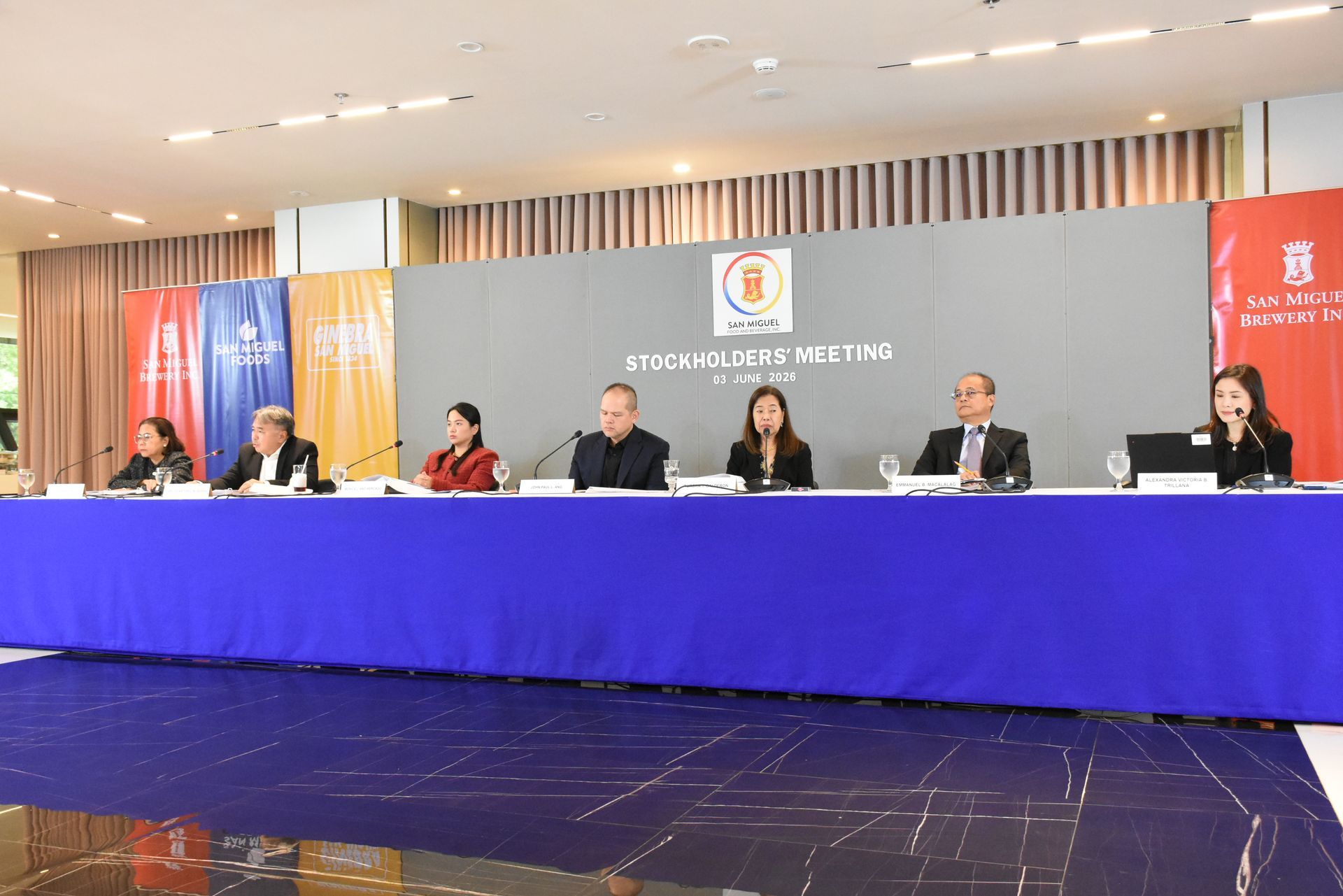
San Miguel Food and Beverage, Inc. (SMFB) held its Annual Stockholders' Meeting on June 3, 2026, at the SMC Head Office Complex Executive Dining Room, with stockholders able to participate both in person and via livestream. During the meeting, management presented the Group's full-year 2025 and first-quarter 2026 results and discussed key priorities for its three core businesses—San Miguel Foods, San Miguel Brewery, and Ginebra San Miguel. SMFB’s first-quarter net income rose 2% to P11.8 billion, supported by gains in its food and spirits businesses, stable beer performance, and disciplined cost management amid a more uncertain operating environment.

Supporting Better Digestion in a Desk-Bound Work Environment

San Miguel Foods (SMF) joined the Department of Trade and Industry's (DTI) Tatak Pinoy event held from May 25 to 27, 2026 at the SMX Convention Center Manila in Pasay City — a three-day showcase celebrating the strength, diversity, and global competitiveness of Philippine industries. The event brought together key sectors of the Philippine economy, including Information Technology and Business Process Management, Food and Agro-Processing, Semiconductors, Pharmaceuticals, and Defense Manufacturing, among others. More than an exhibit, Tatak Pinoy served as a platform for industry linkages, investment promotion, and the advancement of locally manufactured products in both domestic and international markets.

Food is fuel—but not all diets are the same. A person going about daily life has very different nutrition needs than an athlete training hard every day. Understanding these differences can help you eat smarter, stay healthy, and perform your best.
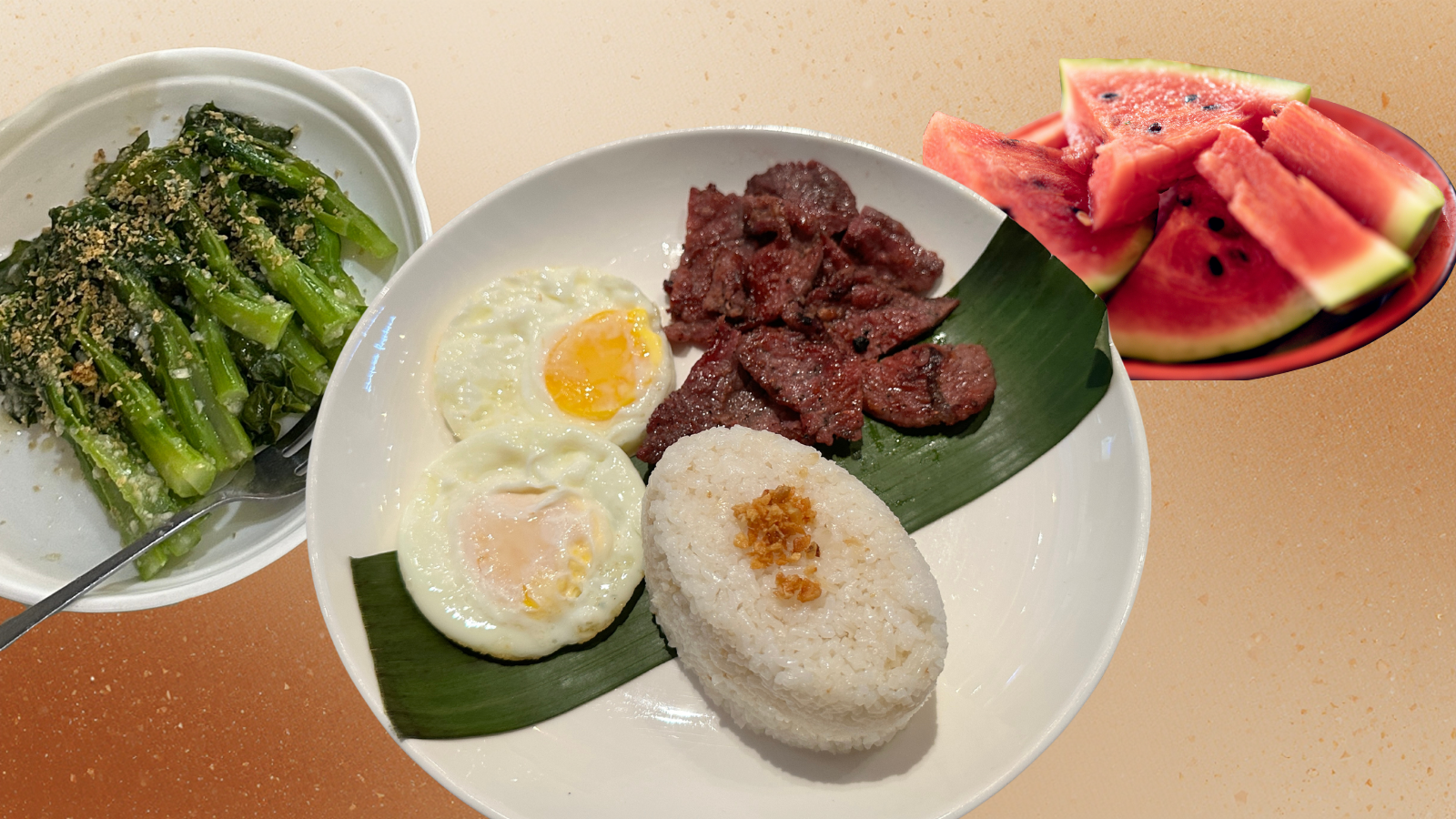
What Is an Intelligent Diet? An intelligent diet is a practical expression of personalized nutrition. It provides the right nutrients, in the right amounts, at the right time, for the right person. Instead of labeling foods as “good” or “bad,” it focuses on how foods fit into an individual’s lifestyle and health goals.
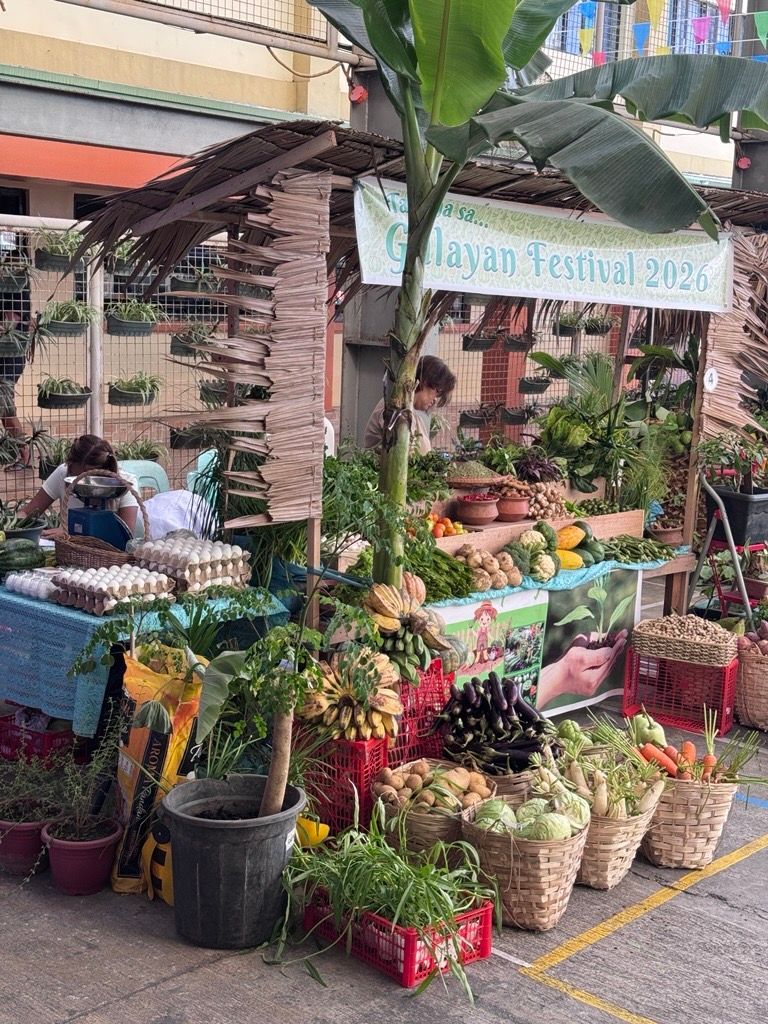
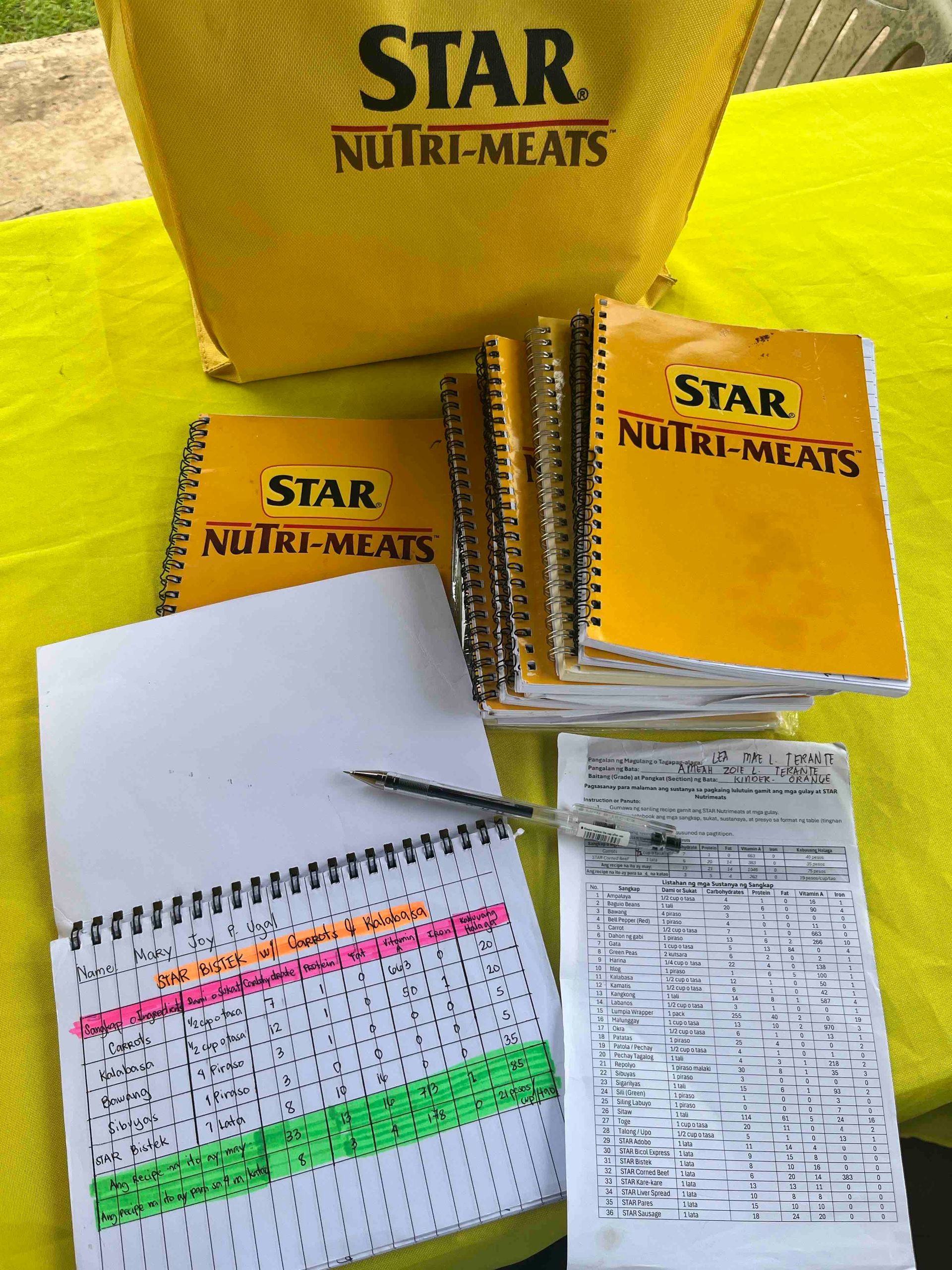
Healthy eating starts with knowledge, access to nutritious ingredients, and simple ways to prepare meals at home. This was the focus of the Gulayan Festival 2025–2026 (Division Level) , organized by the Schools Division Office of Quezon City on March 6, 2026, with San Miguel Foods’ Star Nutri-Meats proudly supporting school gardens, nutrition education, and practical cooking for Filipino families.
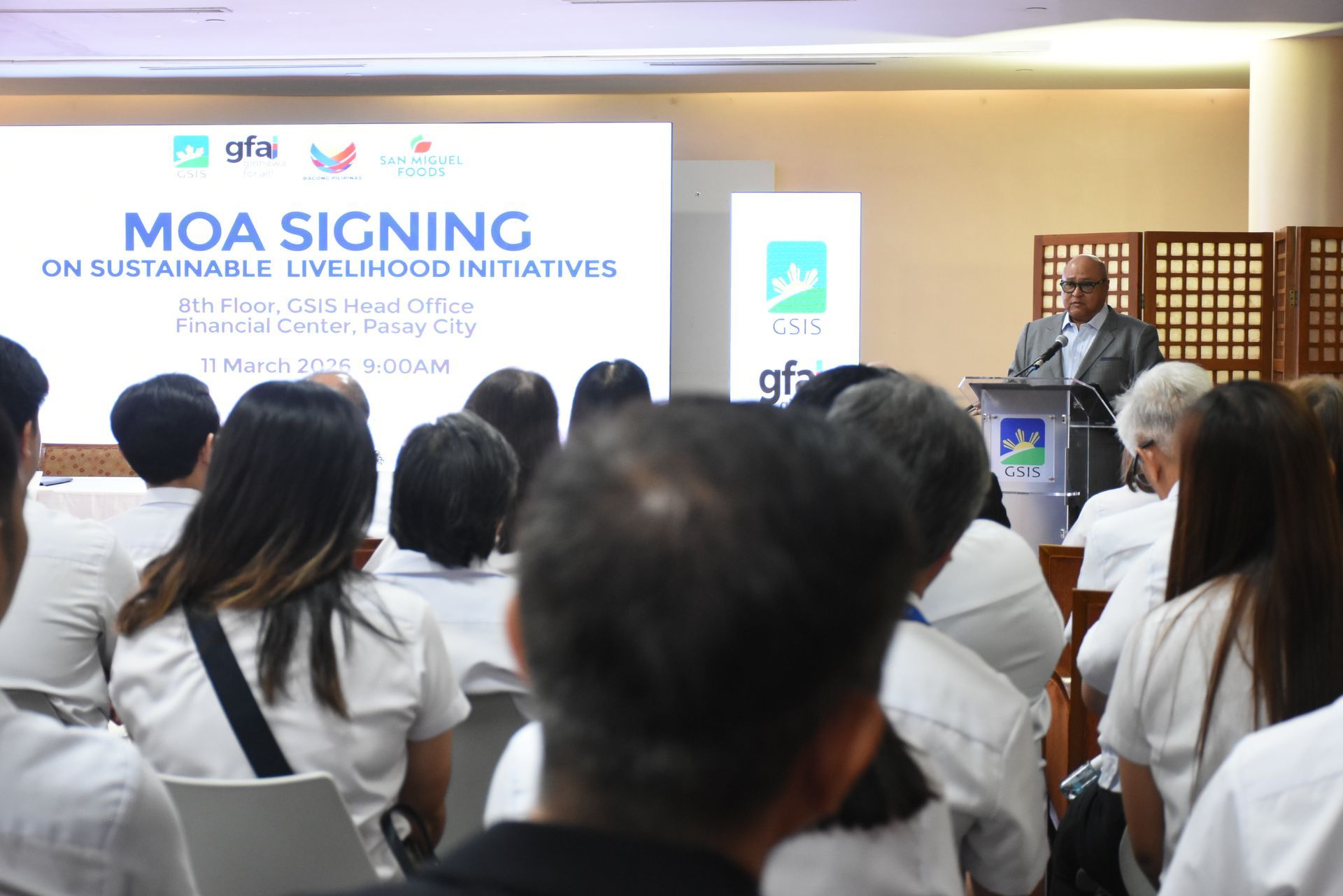
San Miguel Foods (SMF) has partnered with the Government Service Insurance System (GSIS) to make its livelihood and small business programs more accessible to GSIS members, pensioners, dependents, and eligible public sector cooperatives and unions. Through the partnership, GSIS stakeholders will have a dedicated channel to access SMF's livelihood and community reseller programs, which are also available to other interested participants nationwide. Qualified applicants may become community resellers of SMF products for as low as P2,000, with no franchise or royalty fee required. They will gain access to a wide range of trusted food products, including hotdogs, nuggets, bacon, corned beef, luncheon meat, ice cream, cheese, margarine, salad aids, and coffee mixes. Selected partners may also offer Magnolia Chicken products, including Magnolia Timplados.