April 15, 2026

Nutrition for Everyday People vs. Athletes: What You Really Need to Eat


Food is fuel—but not all diets are the same. A person going about daily life has very different nutrition needs than an athlete training hard every day. Understanding these differences can help you eat smarter, stay healthy, and perform your best.

How Much Energy Do You Need?


For regular folks:
Most adults need around
1,600–2,500 calories per day, depending on age, sex, and activity level. This keeps the body running smoothly and supports everyday activities like commuting, working, or light exercise.


For athletes:
Training increases energy demand significantly. Athletes may require
2,800–5,000+ calories daily, depending on the type and intensity of exercise. Adequate fuel is essential for performance, recovery, and overall health.

Hydration and Micronutrients

Water is essential for everyone, but athletes need more to replace sweat and maintain performance. Key vitamins and minerals—iron, calcium, vitamin D, B vitamins—also play a crucial role in energy metabolism, recovery, and overall health.


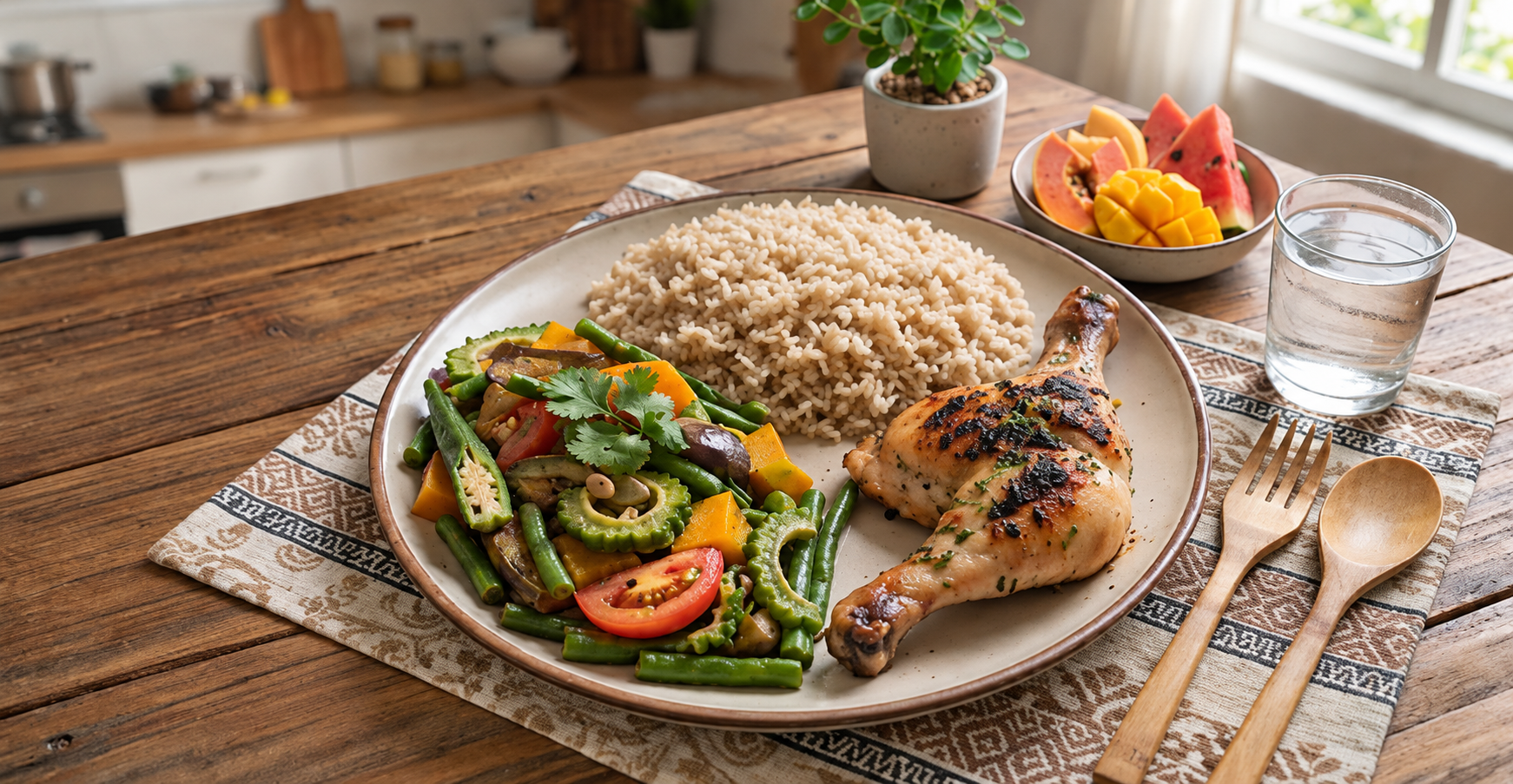
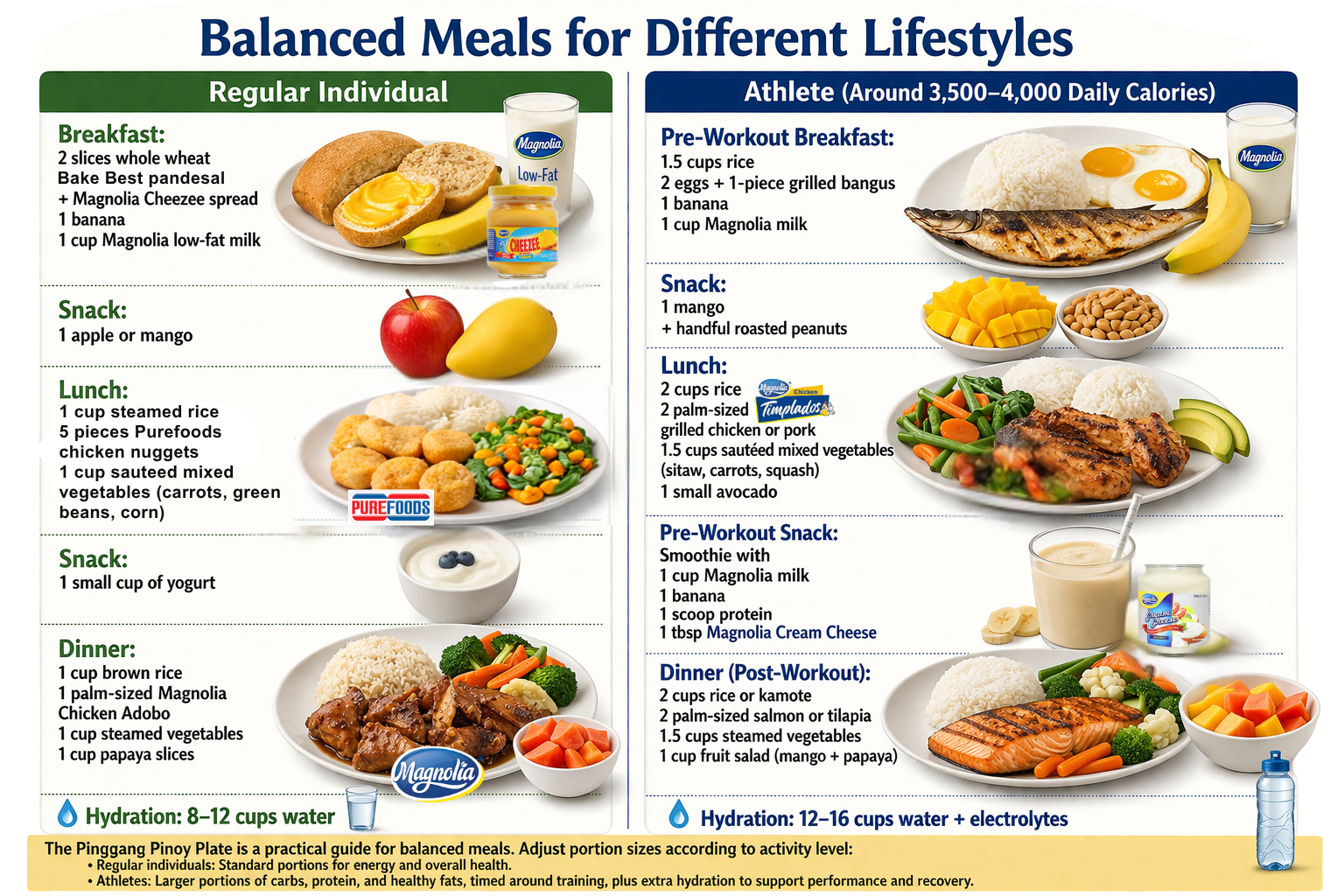
Sample Pinggang Pinoy Menus 


Pinggang Pinoy is a simple guide showing the proper portions of different types of food in a meal.


Regular Filipino (Around 2,000 daily calorie-requirement)


  • Breakfast: 2 slices whole wheat Bake Best pandesal + Magnolia Cheezee spread, 1 banana, 1 cup Magnolia low-fat milk
  • Snack: 1 apple or mango
  • Lunch: 1 cup steamed rice, 5 pieces Purefoods chicken nuggets, 1 cup sautéedmixed vegetables (carrots, green beans, corn)
  • Snack: 1 small cup of yogurt
  • Dinner: 1 cup brown rice, 1 palm-sized Magnolia chicken adobo, 1 cup steamed vegetables, 1 cup papaya slices
  • Hydration: 8–12 cups water


Athlete (Around 3,500–4,000 daily calorie-requirement)


  • Pre-Workout Breakfast: 1.5 cups rice, 2 eggs + 1-piece grilled bangus, 1 banana, 1 cup Magnolia milk
  • Snack: 1 mango + handful roasted peanuts
  • Lunch: 2 cups rice, 2 palm-sized Magnolia Chicken Timplados grilled chicken or pork, 1.5 cups sautéed mixed vegetables (sitaw, carrots, squash), 1 small avocado
  • Pre-Workout Snack: Smoothie with 1 cup Magnolia milk, 1 banana, 1 scoop protein, 1 tbsp Magnolia Cream Cheese
  • Dinner (post-workout): 2 cups rice or kamote, 2 palm-sized salmon or tilapia, 1.5 cups steamed vegetables, 1 cup fruit salad (mango + papaya)
  • Hydration: 12–16 cups water + electrolytes


The Pinggang Pinoy plate is a practical guide for balanced meals. Adjust portion sizes according to activity level:

  • Regular individuals: Standard portions for energy and overall health.
  • Athletes: Larger portions of carbs, protein, and healthy fats, timed around training, plus extra hydration to support performance and recovery
November 24, 2026
Building healthier diets is not about avoiding processed foods. It is about understanding their nutritional contribution and how they fit into the overall diet. Processed foods are part of everyday life for many Filipino families. Canned fish, meat products, bread, cheese, milk, sauces, noodles, and other packaged foods can provide convenience, affordability, and important nutrients. The key question is not simply whether a food is “processed,” but rather what nutrients it contributes and how it fits into a person’s total daily diet.
November 24, 2026
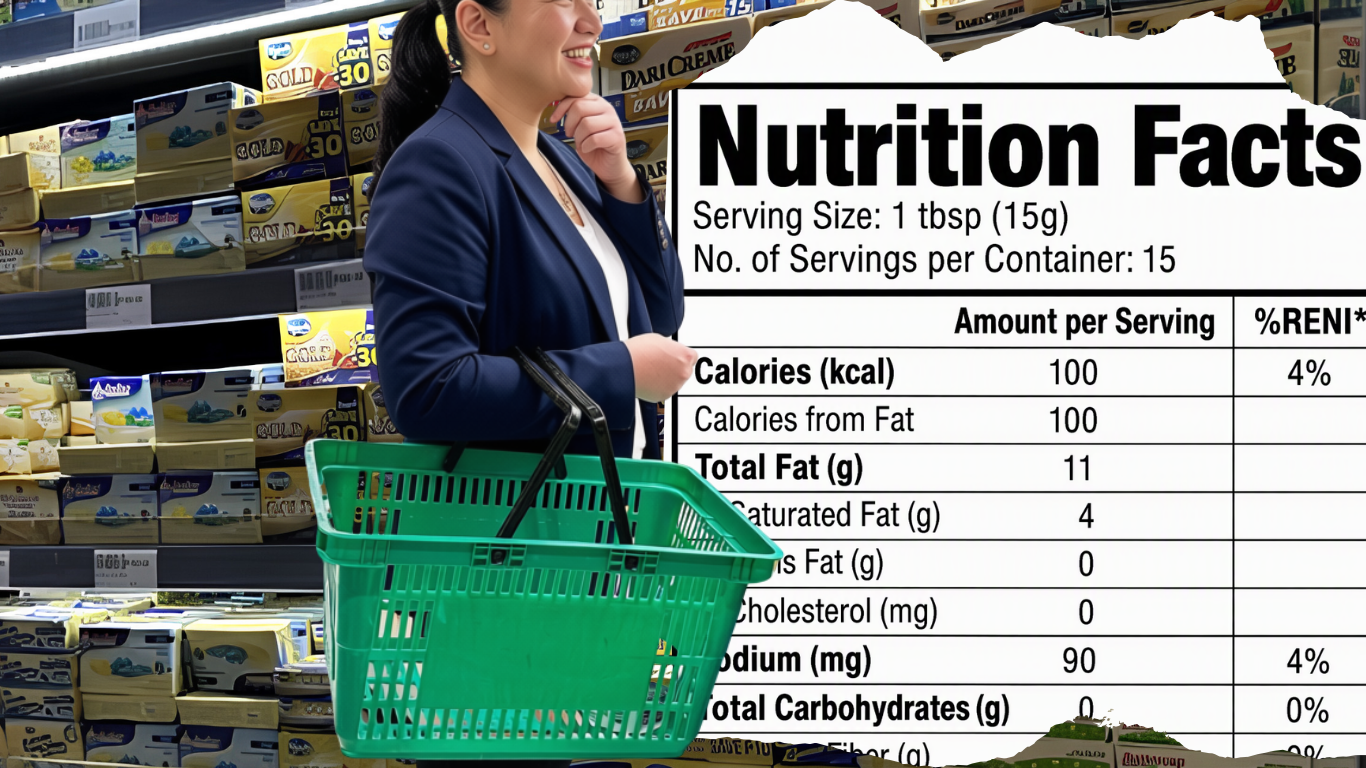
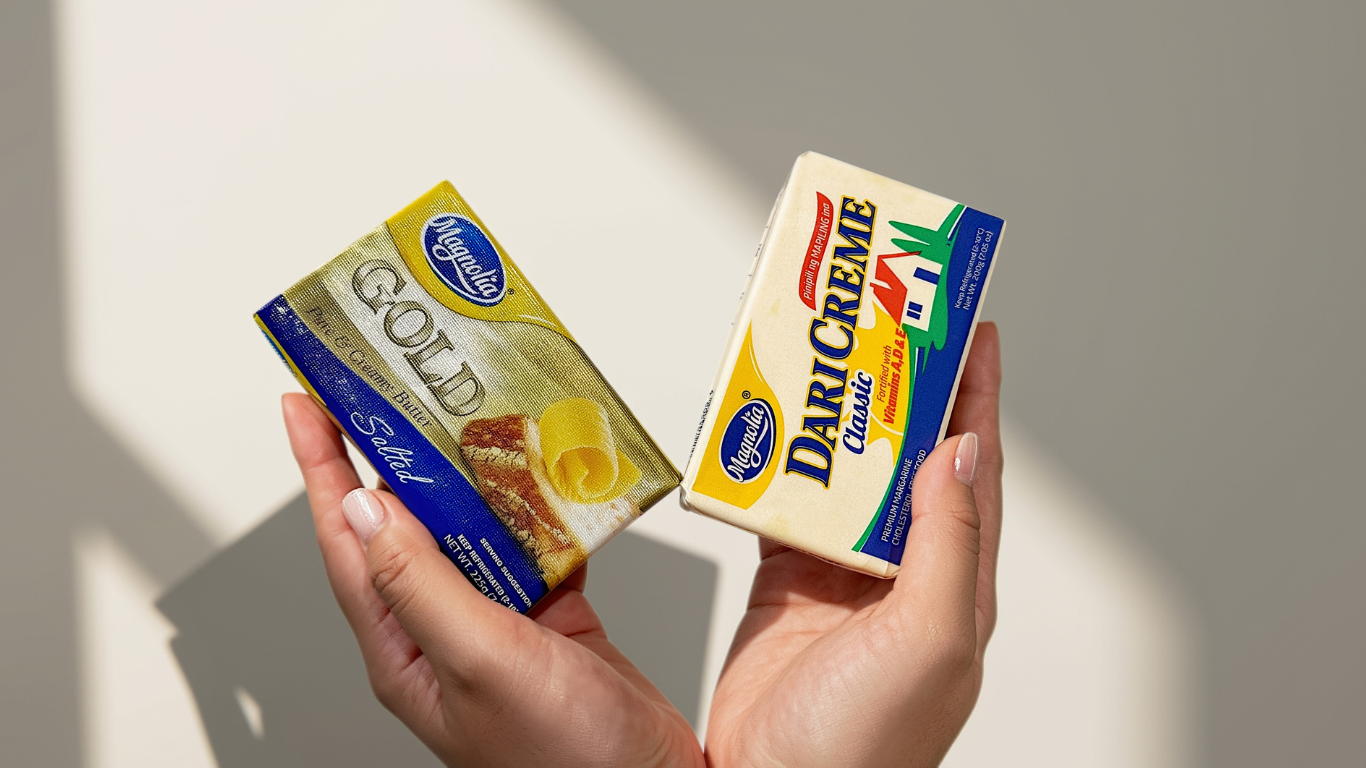
Food and nutrition conversations today are often reduced to simple labels: good or bad, natural or processed, healthy or unhealthy. Social media can make these distinctions seem straightforward—but nutrition is rarely that simple. Butter and margarine are good examples. Both have been part of everyday cooking and food preparation for generations, yet discussions about them can sometimes focus on which one is “better” or whether one should be completely avoided. A more useful way to look at these foods is to consider the bigger picture of the diet. No single food carries the burden of a healthy diet A healthy eating pattern is built from a variety of foods that provide different nutrients. Vegetables and fruits contribute vitamins, minerals and fiber, while whole grains provide carbohydrates and other nutrients. Protein-rich foods contribute protein and essential nutrients, while fats provide energy and help the body absorb certain fat-soluble vitamins. This supports an important principle: no single food needs to carry the entire burden of a healthy diet. Butter and margarine can both be part of food preparation and eating occasions. What matters is making informed choices and using these products in appropriate amounts as part of an overall balanced eating pattern.
November 24, 2026
After three years of nutrition intervention, 93% of 1,000 children from less-fortunate communities enrolled in a San Miguel Foods program since 2024 are now within the normal range for height and weight, according to the program’s latest results. The findings come amid a continuing nutrition challenge in the Philippines, where government data shows that the stunting rate among children under the age of five has reached 25.3%, or roughly one in four children. This is reported to be a 1.7% rise from 2023 levels--the first such increase in the country’s stunting rate since 2015. ¹ The program, dubbed “Happy si Mommy, Malusog si Baby” is San Miguel Foods’ implementation of the “First 1,000 Days Initiative” , global health movement focused on nutrition for the first 1,000 days of a baby’s life. Conducted together with the San Miguel Foundation, the social development arm of the food firm’s parent San Miguel Corporation (SMC), the program measures children’s development based on World Health Organization (WHO) Child Growth Standards and standards set by the National Nutrition Council. The three-year period starts from the second trimester of the mother’s pregnancy to the child’s second birthday--said to be the most critical window for physical and cognitive development; what happens at this stage usually has life-long consequences. Beneficiaries in Misamis Oriental, Bukidnon, Davao del Sur, and Batangas province are currently on their third year, and completing the program’s final cycle. After it successfully implemented the program for a first batch of beneficiaries in 2022, San Miguel Foods decided to expand the program to 1,000 more beneficiaries in 2024. “As with any San Miguel project, we make sure we are in it long enough to make a difference,” said SMC CEO Ramon S. Ang. “That is why we designed this program to be there with mothers and children, day-by-day, every step of the way, for a full three years. The results speak for themselves, and we are grateful to all the partners who helped make this happen.” On the first year, upon enrollment to the program, mothers receive free ultrasound and pre-natal check-ups, nutrition education, and breast-feeding guidance. On year two, when they would have given birth, up to around the time babies turn one-year-old, the mothers were given sessions on postpartum care and positive parenting, developed by Child-Fam Possibilities Psychosocial Services. They also received a full-year supply of mingo meals—a nutrient dense food supplement made from rice, monggo (mung beans), and malunggay (moringa), sourced from the Negrense Volunteers for Change Foundation. The meals are distributed throughout the year as complementary feeding alongside breastmilk--ensuring that each child’s nutritional needs are met, even when household resources are limited. Year three introduces a new dimension: early literacy. In partnership with the Adarna Group Foundation, one of the country’s foremost advocates for Filipino children’s literature, the program equips mothers with the knowledge and tools to nurture in their children a love for reading.
October 28, 2026
Why understanding portions, not avoiding food, is key to balanced and sustainable nutrition
October 28, 2026
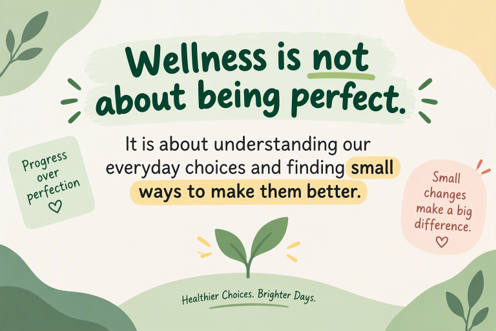
With busy schedules, family responsibilities, and countless food choices available every day, it can be easy to put nutrition and wellness on the back burner. We may know what a balanced lifestyle looks like, but putting it into practice is another story.  The good news? Healthy living does not have to mean making drastic changes. Sometimes, it starts with simply pausing and asking ourselves: How well am I taking care of my nutrition and overall well-being?
October 6, 2026
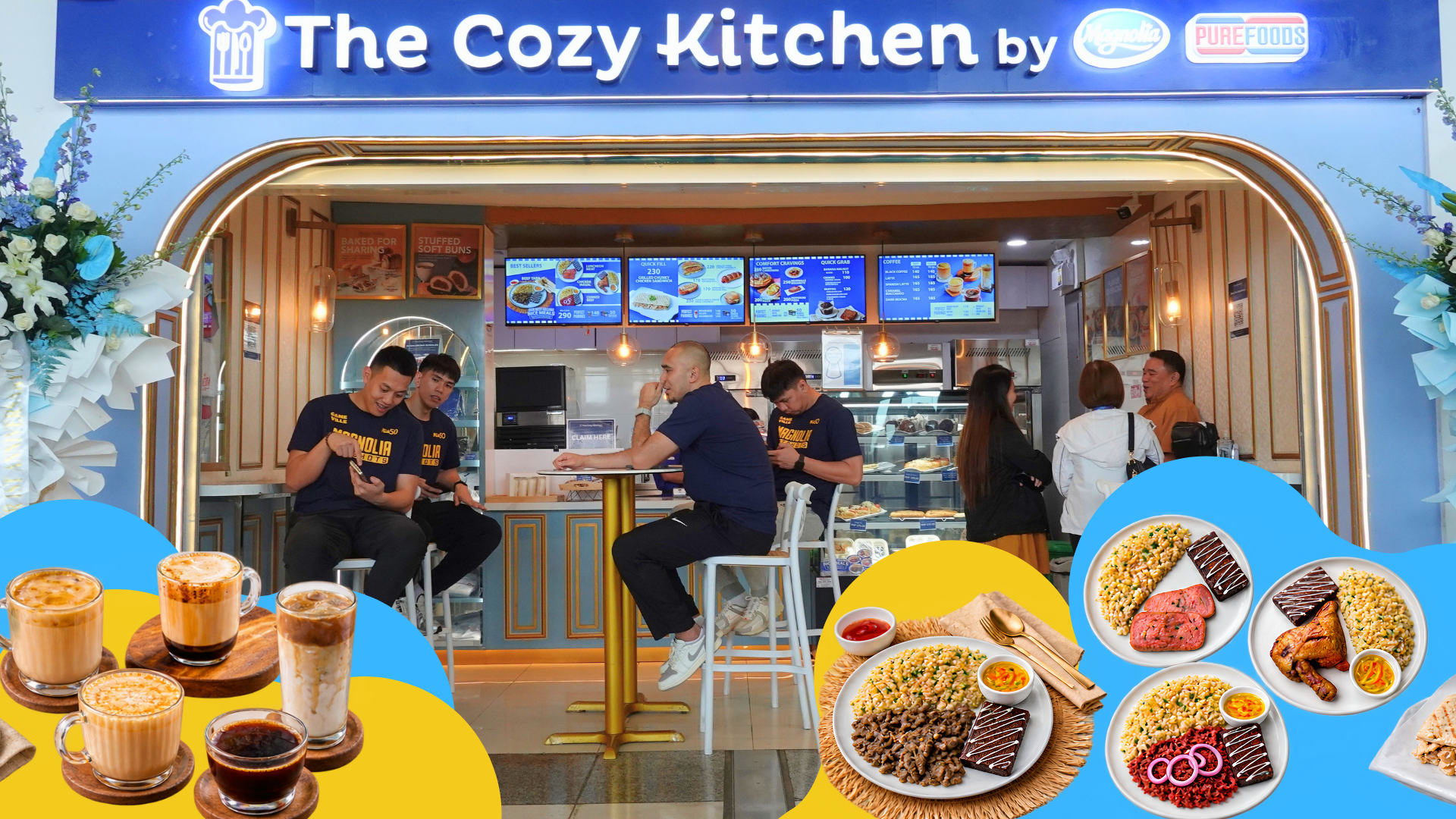
For many Filipinos, the airport is more than just a place to catch a flight. It marks the start of long-awaited vacations, emotional homecomings or important business trips. In the middle of the rush, food can offer a welcome pause, providing travelers with a sense of familiarity before they head to their next destination. At the Ninoy Aquino International Airport (NAIA), passengers can find familiar Filipino flavors through food concepts that bring together well-loved meals and favorite street food snacks.
By Nanay Maricris • September 25, 2026
Dati, akala ko ay madali lang gawing healthy ang pagkain ng pamilya. Kumain ng mas maraming gulay at prutas. Bawasan ang matatamis at maalat. Siguraduhing nakakakain nang maayos ang mga anak. Simple lang, 'di ba? Pero iba pala kapag nanay ka na kailangang mag-plano ng lulutuin -- mamamalengke, mag-bubudget, maghahanda ng pagkain, at sisiguraduhing makakakain ang lahat. Kaya ang akala ko ay magkaiba ang masustansiyang pagkain at pagkaing madaling lutuin araw-araw .
September 17, 2026
With so much nutrition information available today, choosing what to eat can sometimes feel overwhelming. Food labels, health claims, social media posts, and nutrition advice can all influence the way we see and choose our food. The good news? Making better food choices does not require following complicated rules. It starts with understanding the information available and putting it into context. Being food-informed means looking beyond simple claims, asking thoughtful questions, and considering how each food fits into your overall eating pattern.
By Maria Elizabeth Abarquez, RND • September 17, 2026
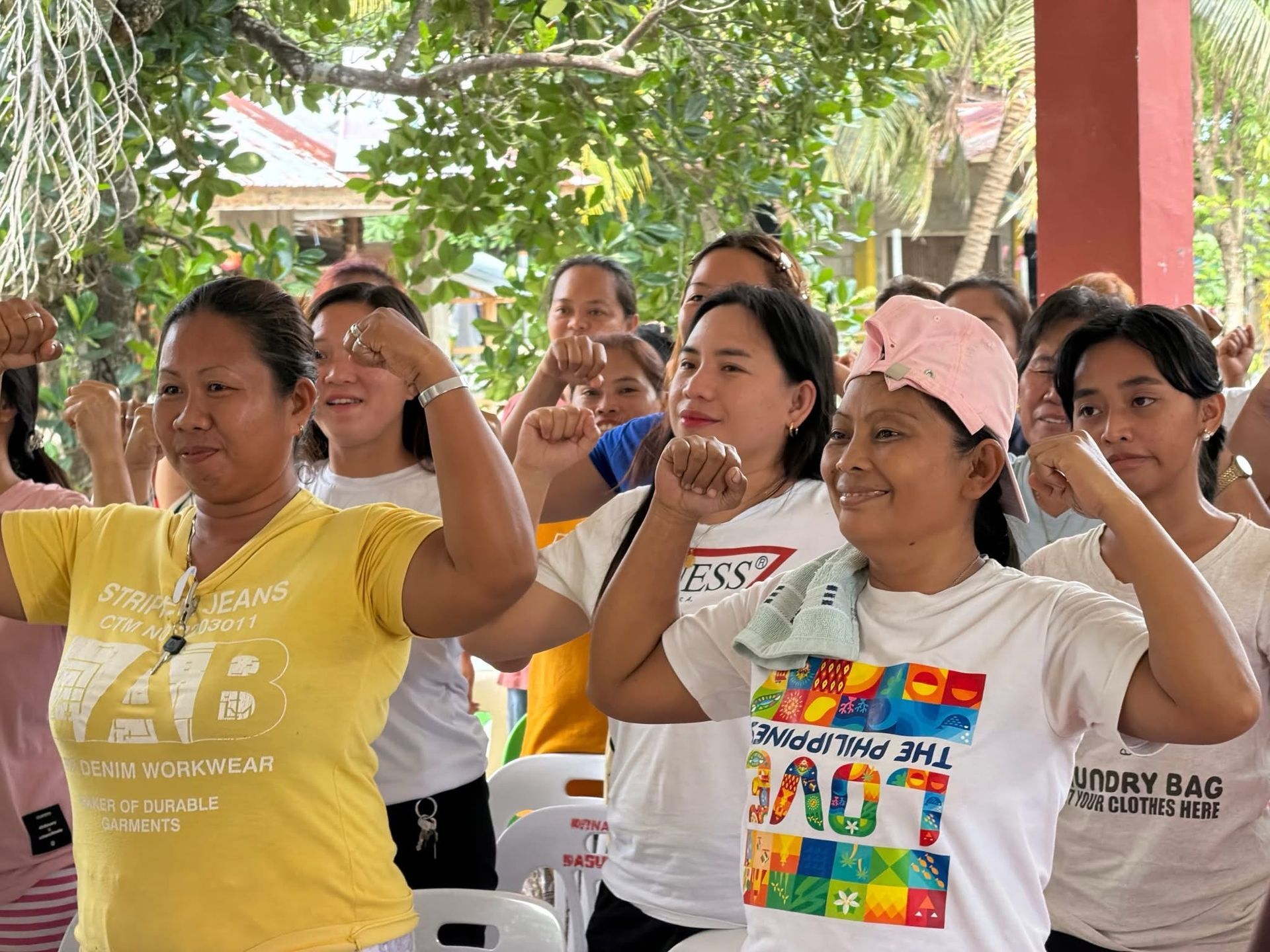
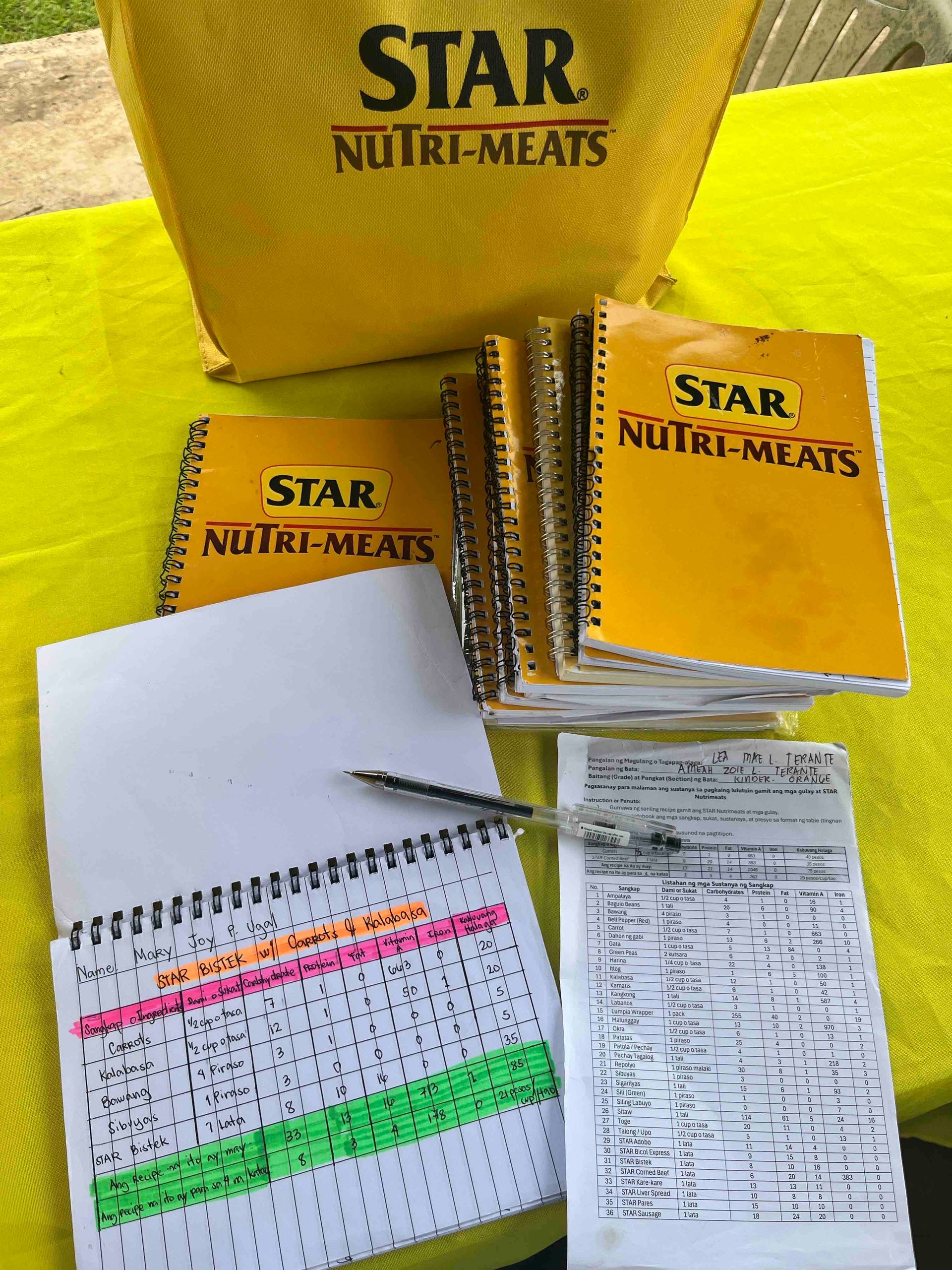
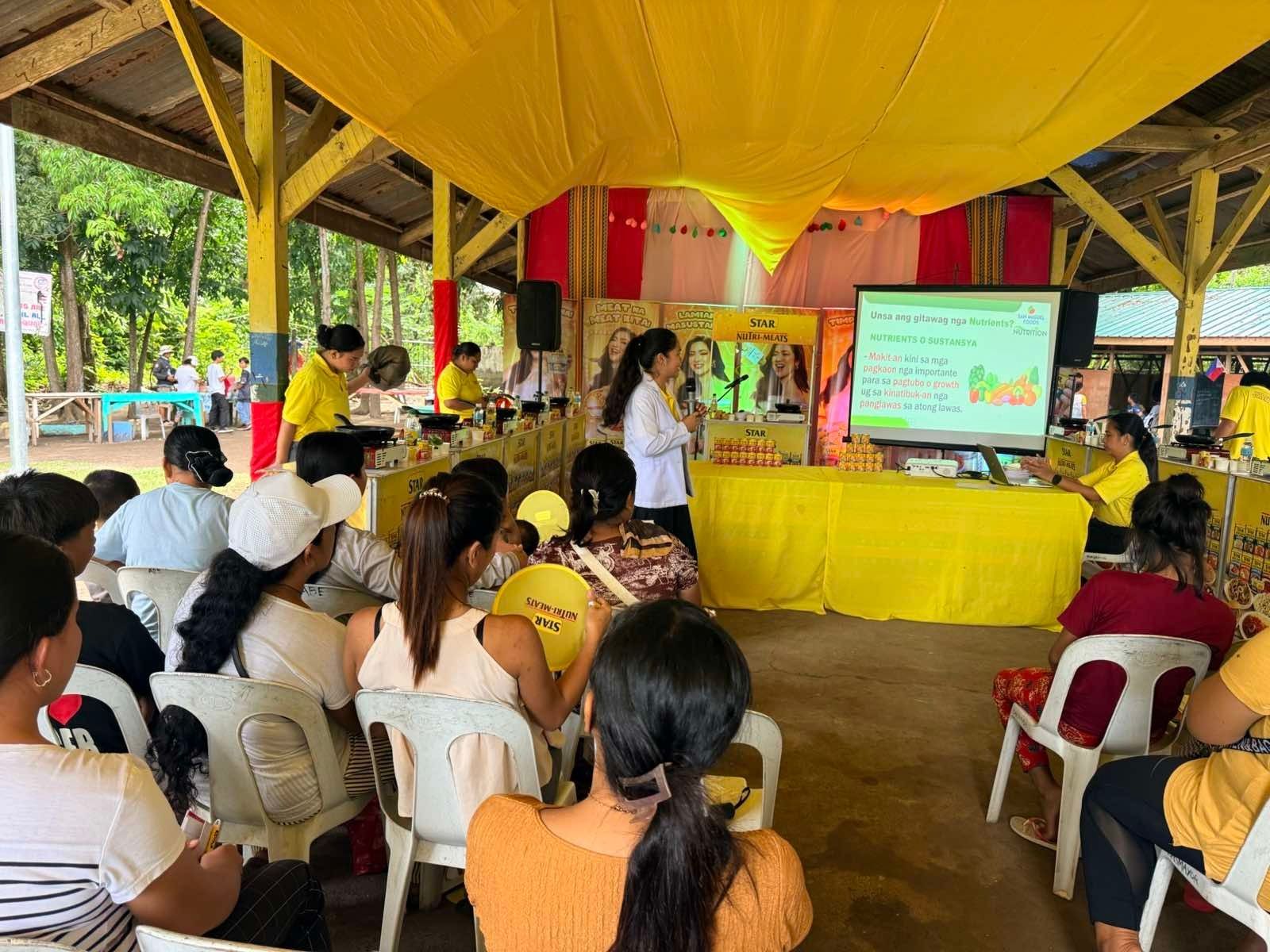
What happens when nutrition education moves beyond the classroom and into the everyday realities of Filipino families?
July 1, 2026
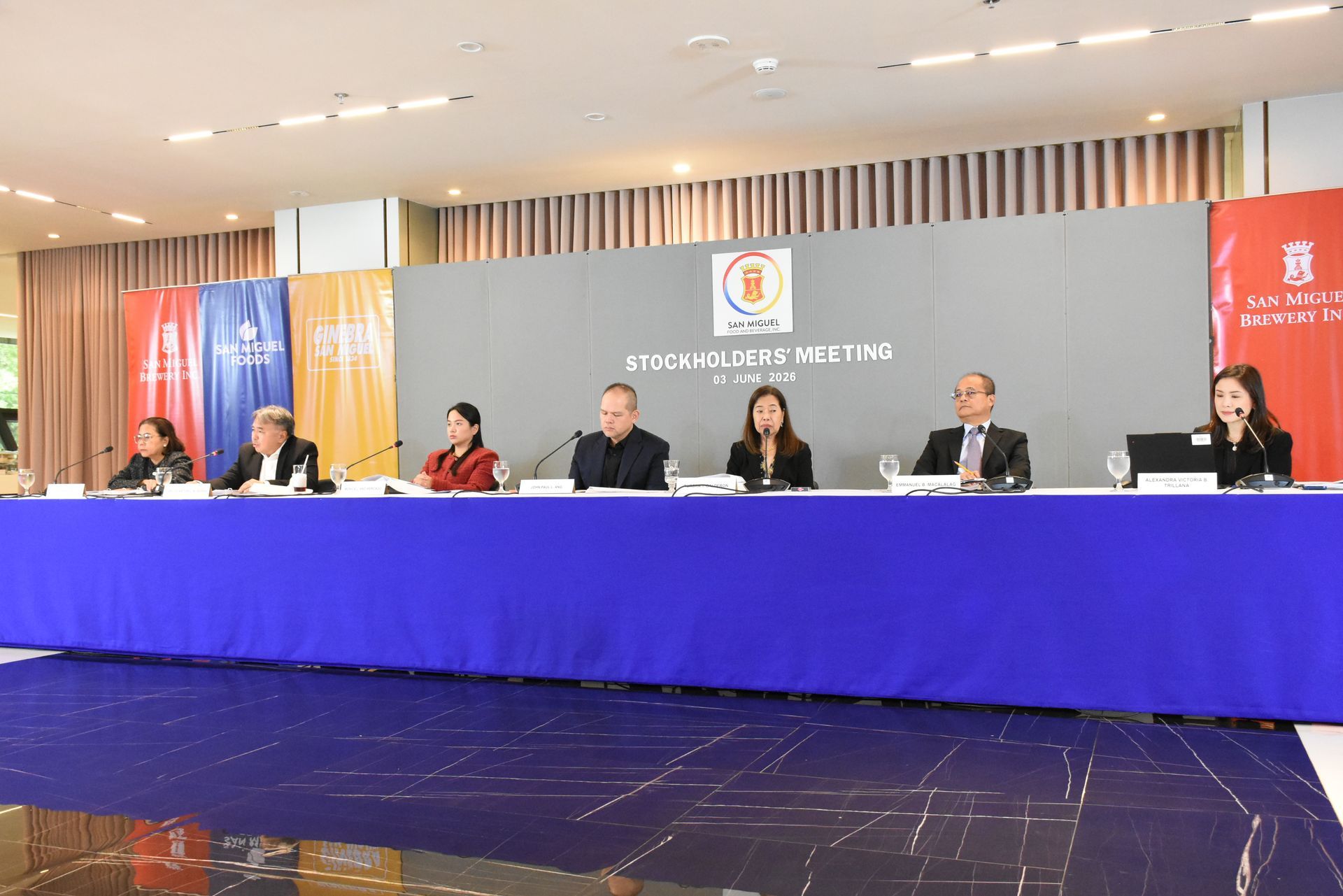
San Miguel Food and Beverage, Inc. (SMFB) held its Annual Stockholders' Meeting on June 3, 2026, at the SMC Head Office Complex Executive Dining Room, with stockholders able to participate both in person and via livestream. During the meeting, management presented the Group's full-year 2025 and first-quarter 2026 results and discussed key priorities for its three core businesses—San Miguel Foods, San Miguel Brewery, and Ginebra San Miguel. SMFB’s first-quarter net income rose 2% to P11.8 billion, supported by gains in its food and spirits businesses, stable beer performance, and disciplined cost management amid a more uncertain operating environment.
More Posts