Clarissa Viduya • June 27, 2023

Doing good to our farmers: A look at San Miguel’s direct corn-buying program and how it is helping our local farmers nationwide


Malasakit combined with pag-asa. The stories of struggle, risk, and uncertainties of over 122 corn farmers across the country had a 180-degree turn when the direct corn-buying program of San Miguel Foods was introduced to them. The continuing expansion of the company’s feed milling projects helped resuscitate the stalled economy, with SMF’s purchase of over 35,000 metric tons of corn from local growers this year. Corn is one of the key ingredients in animal feeds. 


It all started with the company’s objective to help the agricultural sector by directly purchasing from the local farmers themselves, while indirectly levelling the playing field between the traders and small-scale farmers. But the company had to do a lot of pre-work. The team, led by BPG Heads Charity Anne Chiong and Quito Blanco, together with PANB’s Agri-Development group conducted interviews and profiling studies to determine the various challenges in corn farming. Then they started reaching out and establishing partnerships with the farmers. 


One of the project’s big wins is that aside from San Miguel paying a fair amount to the growers versus the normal trader, we also directly deposit the payment to the farmers’ bank accounts within 2-3 days of delivery. This immediately compensates the growers’ costs in farming and helps them use the money for their personal expenses too. 

Through this program, there have been heartwarming stories about how the corn farmers were able to bounce back from the impact of the pandemic and huge debts from their financiers. These farmers are also no strangers to floods, droughts, and pests, so now that they are more liquid, they are better prepared for any crisis. Furthermore, some of them have even been able to purchase their own delivery trucks and additional equipment. With the improvement in their quality of life, these farmers have encouraged their families and other farmers to join the program and enjoy its long-term benefits. This issue features some of the inspiring stories of our partner corn growers. 


With the massive feed mill expansion program that San Miguel Foods is undergoing, we will be partnering with more and more corn farmers to supply us with local corn. Not only does this guarantee us a substantial and steady source of local corn, it also contributes to our sustainability efforts of supporting our local farmers and elevating their source of livelihood.

Testimonials from our corn farmers

Mula po noong kami ay nabigyan ng pagkakataon na magbenta ng aming produkto sa San Miguel kami po ay nagkaroon ng opportunity na magkaroon ng stable na pagdadalhan ng aming produkto at stable na presyo at kita. Nang dahil dito, hindi na po kami natatakot mag-ani o maglabas ng aming produkto anumang oras dahil alam po naming may sigurado kameng pagdadalhan. Hindi po katulad noon na kung saan-saan pa namin hahanapin ang aming buyer at walang kasiguraduhan na may magandang presyo at kung magiging maayos ang bayad sa amin dahil kadalasang ahente ang kausap namin. Minsan pa ay nakararanas kami ng pangloloko sa presyo at sa bayad. Sana po magtuloy-tuloy pa ang programa ninyo para sa aming mga farmers. Maraming salamat po.


Marjorie Gante 

Address: Brgy. Dammang West, Echague, Isabela 
Area Planted: 10 hectares of corn 
Corn farmer for eight years

Una po sa lahat nag papasalamat po ako sa Panginoon dahil ibinahagi niya sakin ang napakalaking tulong ng San Miguel Foods ng Echague. Noong wala pa po ako sa San Miguel hindi ko po alam kung saan po ako magbebenta dahil paiba-iba po ang presyo ng mais at ngayong bahagi na po ako ng San Miguel, nakita ko po ang diperensya at ang magandang tulong nito sa amin lalo na sa aking pamilya. Hindi lang po ako ang natutulungan pati narin po ang aking mga kapatid na farmers rin. Dahil kung ano po ang naibahagi sa akin ng San Miguel naibabahagi ko rin po sa iba. Huwag po sana kayo magsawang sumuporta at tumulong sa aming mga farmers lalo po ngayong mahirap ang buhay at napakamahal ng mga bilihin, ng mga binhi, at ng aming abono bilang isang farmer. Wala na po akong inaasahang pagbebentahan kundi ang San Miguel Foods lamang dahil alam ko po na ang San Miguel Foods lang ang may kakayahan na magbigay ng ganitong opportunity at magandang buhay sa aming mga farmers. 

Mario Cumlat

Address: Brgy. San Felipe, Echague, Isabela
Area Planted: 5 hectares of corn 
Corn farmer for 15 years 

Ako po ay dating OFW sa Saudi, nagsumikap makabili ng sarili lupa. Nang nakaipon, nagdesisyon akong umuwi at makasama na ang aking pamilya.

Noong 1996 ako nagsimula magtanim. Simula noon, naranasan ko na ang ibat-ibang suliranin sa pagsasaka, katulad ng madalas na pagbagyo, mga insekto sa pananim, kakulangan sa imbakan or storage, pagpapatuyuan ng mais, madalasang pagbabago ng teknolohiya sa pagtatanim, mataas na gastusin sa pananim, mahirap na daaanang farm to market roads, at ang hirap sa pakikipagtransaksyon sa mga buyers na madalas pang manipulahin ang presyo at timbang na kulang pa na pangpuhunan at kapital. Sa pag-asam ko na mapaunlad ang aking mga kagamitan sa pagsasaka nagkaroon ako ng mga utang na dahilan upang makontrol na ng aming pinagkakautangan o financier ang mga binebenta naming mais. Sa mababang halaga na lamang namin ito naibebenata at minsan pa kahit konting dumi lamang ay mas lalo pang binababaan ang presyuhan sa amin. 


Naging iba ang ihip ng hangin ng makausap ko at makilala ang isang tauhan ng B-MEG na nagpaliwanag sa akin ng programang ito. Hindi ako makapaniwala dahil bilang isang simpleng magsasaka hindi ko maisip na makakapagsupply ako sa pangarap kong kumpanya (SMC). Ako’y nagagalak dahil sa 25 years kong pagsasaka ay makakaranas na din ang aking pamilya ng kapanatagan at kaginhawaan.


Marami pong magandang naidulot sa aming mga farmers ang pakikipag-ugnayan at pakikipagtransaksyon sa San Miguel Foods/B-MEG. Una po rito ang kasiguraduhan ng presyo ng mais. Kampante po ako na hindi magkakaroon ng iregular o biglang pagbaba ng presyo ng aking mais. Pangalawa, ang maayos at tamang pagtitimbang at pagsusuri ng kalidad ng aming mga mais. Pangatlo po ang mabilis na transaksyon at pag-galaw ng aming mga mais.

At ang panghuli, bilang isang farmer dinanas naming madalas mabaon sa utang at mabigyan ng di makatarungang pagpresyo sa aming mga mais. Ngunit dahil sa B-MEG nagkaroon kami ng kapanatagan ng isip at motibasyon na ipagpatuloy ang pagtatanim.


Sana po ipagpatuloy ninyong suportahan ang maliliit na farmers katulad namin. Maraming salamat.

Samuel Lago

Address: Brgy. Dalenat, Angadanan, Isabela
Area planted: 7 hectares of corn
Corn farmer for 25 years

Ako po ay si Analyn Torre ng Brgy. Dalipe, Lemery, Iloilo. Ako po ay nagpasalamat sa San Miguel Corporation. Nang dahil sa inyong Direct Corn Buying Program nabigyan kami ng pagkakataon na makabenta ng aming mais diretso sa inyo at hindi na kailangang dumaan pa sa mga malalaking traders ng Iloilo City. Kami po ng asawa ko ay nag-umpisang pumasok sa pagtatanim ng mais 11 na taon nang nakalilipas at tumutulong rin kami sa mga maliliit na magsasaka sa pag-finance ng kanilang pagtatanim ng mais sa aming lugar.


Sa ngayon, umaasa kami na ipapagpatuloy ng kumpanya ang programang ito dahil nagbibigay ito ng malaking tulong sa mga katulad naming magmamais.


Maraming salamat po.

Analyn Torre 

Brgy. Dalipe, Lemery, Iloilo
Area planted: 200 hectares of corn 
Corn farmer and financier for 11 years 

Ako po ay si Emity B. Durog, bata pa lang namulat na kaming magkakapatid sa pagtatanim ng mais kasi isa ang papa ko sa mga sinaunang corn farmers dito sa lungsod ng Dangcagan, Bukidnon. Nung ako’y magka-asawa, nagstart kami sa pagtatanim ng sarili naming maisan. Marami pong magandang naidudulot sa buhay namin nang dumating ang San Miguel Foods Corn Direct Buying. Una po sa lahat, aside po sa kumikita kami, nakatulong din po kami sa mga kapwa naming corn farmers kasi po hindi na nila kailangan pumunta pa sa ibang bayan para doon pa ibenta ang kanilang mais. Marami pong mga magsasaka ang nakakausap namin ng personal talaga pong nakakataba nang puso yun. Higit sa lahat yung presyo namin sir direct na po sa San Miguel hindi na namin kailangang dumaan pa sa malalaking traders yun ang pinaka malaking tulong sa amin. Maraming, maraming salamat po San Miguel Corporation, sa pamunuan at buong San Miguel Foods, at kay Mr. Ramon Ang. God Bless your company! Keep up the goodwork po!

Emity B. Durog

Poblacion, Dangcagan, Bukidnon
Area planted: 20 hectares of corn 
20 years as a corn planter

Ang family po namin ay pagsasaka ang kabuhayan at ako ay nahasa sa pagtatanim ng mais. Kasama ko ang aking asawa sa pagsasaka ng mais, kamoteng kahoy, at palay. Sa ngayon ako lang po ang merong direct delivery ng mais sa San Miguel dito sa aming lugar na mula sa sarili naming tanim. Ganun din ang inaani ng aking mga kapatid, sa amin din pinagbibili. Maganda itong karanasan at oportunidad na nabigay sa amin ng San Miguel, lalo na isa kami sa maraming naka-avail sa programang ito ng direct corn delivery program. Dahil rito, nakabili po ako ng isang ten-wheeler hauling truck at nabawi ko po ang aking 2 ektaryang sakahan na naisangla ko noon. Nakatulong din po kami sa aming kapwa magsasaka kasi po hindi na nila kailangang pumunta pa sa bayan upang ibenta ang kanilang mais at nakatitipid pa sila sa pamasahe ng delivery. Maraming salamat po San Miguel dahil sa inyong programa, kaming mga magsasaka ng mais ay nakadama ng pagpapahalaga at wala pang kumpanya ang nakakagawa nito. Mabilis pa ang pagbayad sa loob ng 2-3 araw bayad na ang delivery ko. Sana po ipagpatuloy ninyo ang programang ito at marami pang magmamais ang makinabang. Sa kabutihang puso ng SMC President Ramon S. Ang. Sir saludo po kami sa inyo dahil isinama nyo po kami sa inyong programa na ngayon lang nangyari sa amin. Maraming salamat San Miguel, sa inyong programa nakasisiguro kami na masaya at magiging matagumpay ang aming pagsasaka. God Bless San Miguel. 

Violeta Develos

Brgy. Rizal, Banga, South Cotabato
Area planted: 25 hectares of corn 
15 years of planting corn 
December 29, 2025
San Miguel Foods (SMF) strengthened its commitment to marine biodiversity conservation with the latest deployment of its Coral Rescue Program in Anilao, Mabini, Batangas—home to the company’s San Miguel Mills flour milling plant, B-MEG feedmill, and Golden Bay Grain Terminal. Last month, nine licensed divers transplanted 150 new coral fragments under the guidance of a marine biologist. This latest activity builds on SMF’s three-year effort to restore a once-barren stretch of seafloor into a growing, life-sustaining reef. A three-year journey of marine restoration SMF launched the Coral Rescue Program in 2022, planting 110 initial coral fragments that achieved an 80% survival rate. This early success encouraged the return of over 610 individual reef fish from 31 species, showing clear signs of ecological recovery. The program expanded further in 2024 with 215 additional coral fragments planted by employee volunteers and partner divers. These efforts grew the rehabilitated reef area to over 570 square meters and attracted 35 fish species from 17 families, along with reef-associated organisms such as sea stars, tunicates, corallimorpharians, feather stars, anemones, and sea cucumbers. 2025 Results: More life, more color, more growth With the most recent coral rescue dive, the reef continues to flourish. The site now supports: 34 fish species More than 2,000 individual reef fish Over 100 kg of total fish biomass A growing community of reef-associated invertebrates These numbers highlight a thriving marine habitat and reflect the long-term impact of consistent, science-based reef restoration. Powered by passionate volunteers One of the program’s staunch advocates is an employee who is a licensed diver, and who is present every year and volunteers his time, skills, and passion for environmental stewardship. Sid Buenaflor, a B-MEG sales account specialist, says, “It’s fulfilling to see life slowly returning to an area that used to be bare. Knowing our small actions can help restore balance to the ocean is incredibly rewarding.”  Part of SMF’s Handog Kalikasan advocacy The Coral Rescue Program is implemented under Handog Kalikasan, one of the pillars of San Miguel Foods’ flagship CSR program, Handog. This program also supports initiatives in health (Kalusugan), education (Karunungan), and community development (Komunidad). Through Handog Kalikasan, San Miguel Foods continues to invest in long-term environmental protection, helping safeguard the natural ecosystems that sustain local communities.
December 28, 2025
San Miguel Foods has successfully completed Phase 2 of its expanded early childhood nutrition program, “Happy si Mommy, Malusog si Baby: 1,000 Babies for the First 1,000 Days,” with 1,002 mothers and their infants now receiving sustained nutrition and wellness support during the crucial first two years of life. Phase 2 focuses on nutrition supplementation and emotional wellness for new mothers and infants aged six months and above. In collaboration with San Miguel Foundation and with the support of Childfam Possibilities Psychosocial Services and local government units, participating families received a year-long supply of Mingo Meals—a nutrient-rich complementary food made of rice, mongo, and malunggay—along with practical education on self-care, stress management, post-partum recovery, and positive parenting. To strengthen community health systems, 176 barangay health workers were trained to cascade the above topics at the barangay level. Meanwhile, 155 San Miguel Foods employee-volunteers facilitated small-group conversations with mothers across the country, creating safe and supportive spaces for sharing experiences, navigating the challenges of early motherhood, and building confidence in caring for their children. As Phase 2 concluded, 95% of monitored babies registered normal height and weight—an encouraging indicator of the program’s sustained impact on early childhood growth. Now in its second year of nationwide implementation, the program continues to demonstrate strong community engagement, improved maternal wellness, and healthier growth outcomes for infants enrolled since pregnancy during Phase 1. Through the initiative, San Miguel Foods underscores its commitment to supporting mothers not only through proper nutrition, but also through emotional and mental well-being—recognizing that holistic care during the first 1,000 days plays a critical role in shaping lifelong health outcomes for both mother and child, and in creating lasting impact in the communities it serves. Phase 3 of the program will commence next year, focusing on sustained nutrition support and early learning activities for toddlers. With “Happy si Mommy, Malusog si Baby,” San Miguel Foods continues to advance its mission of nourishing lives, empowering caregivers, and helping build a healthier future for Filipino families.
By Coach Oca December 27, 2025
Every time we see or hear the word “nitrates”, we almost instantly react to it as being bad or evil. We usually encounter nitrates in food like cured meats, longganisa, tapa, tocino, and sausage—and we associate these kinds of food to being unhealthy. How much of this fear is justified? And how much of it is based on unfounded science? What if nitrates were actually beneficial to our health? What if discarding them from our diet means we are missing out on a good thing? Nitrates are found in nature. They are naturally occurring ions composed of nitrogen and oxygen and are found ordinarily in soil, water, and plants. When ingested, nitrates accumulate in the saliva, converted into nitrites, and eventually become Nitric Oxide (NO) in the gut, which is important to maintaining our vascular health (healthy circulatory system). Nitric Oxide is a gaseous molecule that acts as a crucial signaling molecule in blood vessel dilation, neurotransmission, and immune response. It is because of Nitric Oxide that our blood pressure is stable. The lack of it could lead to hypertension and the beginning of a cardiovascular disease. The history of nitrates goes back to ancient civilizations (Sumerians, Greeks, Romans) when the practice of salting meats to draw moisture and preserve its flavor was popularized. Adding potassium nitrate (saltpeter) would give the meat a reddish color as the nitrates react to the proteins (myoglobin) in the meat. Nitrates are most commonly sourced from vegetables like spinach, beets, lettuce, and celery. The health concerns about nitrates stem from some animal research where nitrates were found to react to amines in an acidic environment forming “nitrosamines”. This allegedly has the potential to damage our DNA, by promoting mutations, and can therefore be carcinogenic. However, none of these tests have been done on humans, and the correlational studies have been found weak. Thus, the over-all benefits of eating food with nitrates is still quite convincing. Nitrates can be quickly absorbed through the saliva and converted to nitrite by oral bacteria and then converted to Nitric Oxide in the stomach. As the bloodstream picks them up, one can immediately get the benefits of vasodilation in the artery walls, resulting to more stable blood pressure—a key marker for cardiovascular health. Moreover, nitrites have also been found to help improve mitochondria efficiency, allowing healthy ATP production (energy molecules) in the cells and improving insulin sensitivity. Nitrite also promotes conversion of white fat (the slow metabolism fat) to beige fat which leads to higher mitochondrial uncoupling for better metabolic health. I believe that nitrates have been unfairly judged in the medical field due to the society’s older biases against meats, including processed meats. Meats, especially from properly-raised cows, are nature’s most complete food for humans. Indeed, we have evolved these strong bodies and brains of ours from a meat-eating, animal- hunting, cave dwelling group of ancestors into conscious-eaters today. Today, our ancestors’ food preparation practices of meat preservation and cooking learned thousands ago have evolved into more interesting ways of preparing our modern-day steaks, barbecues, patties, sausages, hams, morcon, asado, and many other traditional methods all over the world. The more important thing to consider is promoting the use of natural (ideally, organic) ingredients and to avoid chemicals and preservatives that come from modern-day laboratories. Stay healthy! Eat your meat! Dietary Nitrate, Nitric Oxide, and Cardiovascular Health - PubMed [Internet]. PubMed Central. [cited 2025Jul.29]. Available from: https:// pubmed.ncbi.nlm.nih.gov/25976309/ Meta-analysis of prospective studies of red meat consumption and . [Internet]. PubMed Central. [cited 2025Jul.29]. Available from: https:// pubmed.ncbi.nlm.nih.gov/21540747/ Nitrate and nitrite in the diet: how to assess their benefit and risk for . [Internet]. PubMed Central. [cited 2025Jul.29]. Available from: https:// pubmed.ncbi.nlm.nih.gov/25164923/
By Imelda Angeles-Agdeppa, Ph.D. December 26, 2025
Introduction Excess salt intake is a major contributor to hypertension and cardiovascular disease—among the leading causes of mortality in the Philippines and around the world. The World Health Organization (WHO) recommends less than five grams of salt per person per day, yet the average intake of a Filipino adult is around 10.3 g, more than double the WHO recommended limit (WHO, 2023). In the same year, the 2023 Expanded National Nutrition Survey reported that 13% of Filipinos aged 20–59 have elevated blood pressure, with even higher rates among older adults—19.5% for those aged 40–49 and 26.8% for those aged 50–59 (DOST-FNRI, 2023). The role of the industry and challenges The food industry plays a pivotal role in reducing population salt intake, as most dietary sodium comes from the salt used to enhance flavor, preserve freshness, and improve texture in processed, packaged, and prepared foods. Striking the right balance between product quality, consumer preference, and public health presents both a challenge and an opportunity for the sector. The food industry is uniquely positioned to help reduce salt consumption and address the alarming rates of hypertension and other non-communicable diseases. Through product reformulation, innovation, and consumer education, the sector can drive meaningful population-level impact. Key actions include: Reformulating existing products to gradually reduce sodium content without compromising taste, quality, or safety. Developing new low-sodium products that meet consumer expectations for flavor and overall eating experience. Practicing responsible marketing and transparent labeling to help consumers make informed dietary choices. Collaborating with government and health organizations to align efforts with national nutrition goals and standards. Global experience shows that significant sodium reduction is both achievable and sustainable. In the United Kingdom, voluntary salt targets set by the Food Standards Agency contributed to a 15% reduction in population salt intake. In Japan, the reformulation of condiments and instant noodles resulted in notable sodium reductions while maintaining strong market performance. In the Philippines, several food companies have begun implementing gradual salt reduction in condiments, snacks, and processed meats. However, despite this growing commitment, important challenges remain: Technical constraints , as salt plays a vital role in flavor, preservation, and texture—making substitutes difficult without affecting product quality. Consumer acceptance , given deeply ingrained taste preferences that require gradual adjustments. Economic considerations , since reformulation, testing, and product redevelopment entail significant investment, particularly for small and medium enterprises. Regulatory inconsistencies , with varying sodium labeling requirements and standards that complicate uniform implementation. Opportunities and the way forward  To sustain progress, industry efforts should be supported by an enabling environment: Public–private collaboration - multi-stakeholder partnerships can align targets, share technical solutions, and promote healthier food environments. Policy incentives - recognition programs or fiscal benefits can encourage reformulation among local producers. Innovation and R&D - investment in alternative flavoring systems and new technologies can improve product acceptability. Consumer education: Awareness campaigns can shift preferences toward lower-sodium products. Conclusion Salt reduction is a shared responsibility that demands strong collaboration among industry, government, academia, and consumers. By proactively advancing reformulation, product innovation, and transparent communication, the food industry can make a significant contribution to national health goals. Reducing salt across the food supply chain is not merely a matter of compliance—it is a strategic investment in consumer well-being, brand trust, and long-term business sustainability. References: World Health Organization. (2023). Policy and strategy on reducing salt consumption among Filipinos. https://www.who.int/ Inquirer News. (2023). WHO study bares bitter health impact of excessive salt use. https://newsinfo.inquirer.net/ Ajinomoto Philippines. (2023). https://pjc.philheart.org/ Philippine Information Agency (PIA). (2023). Department of Science and Technology, Food and Nutrition Research Institute. National Nutrition Survey 2023.
December 26, 2025
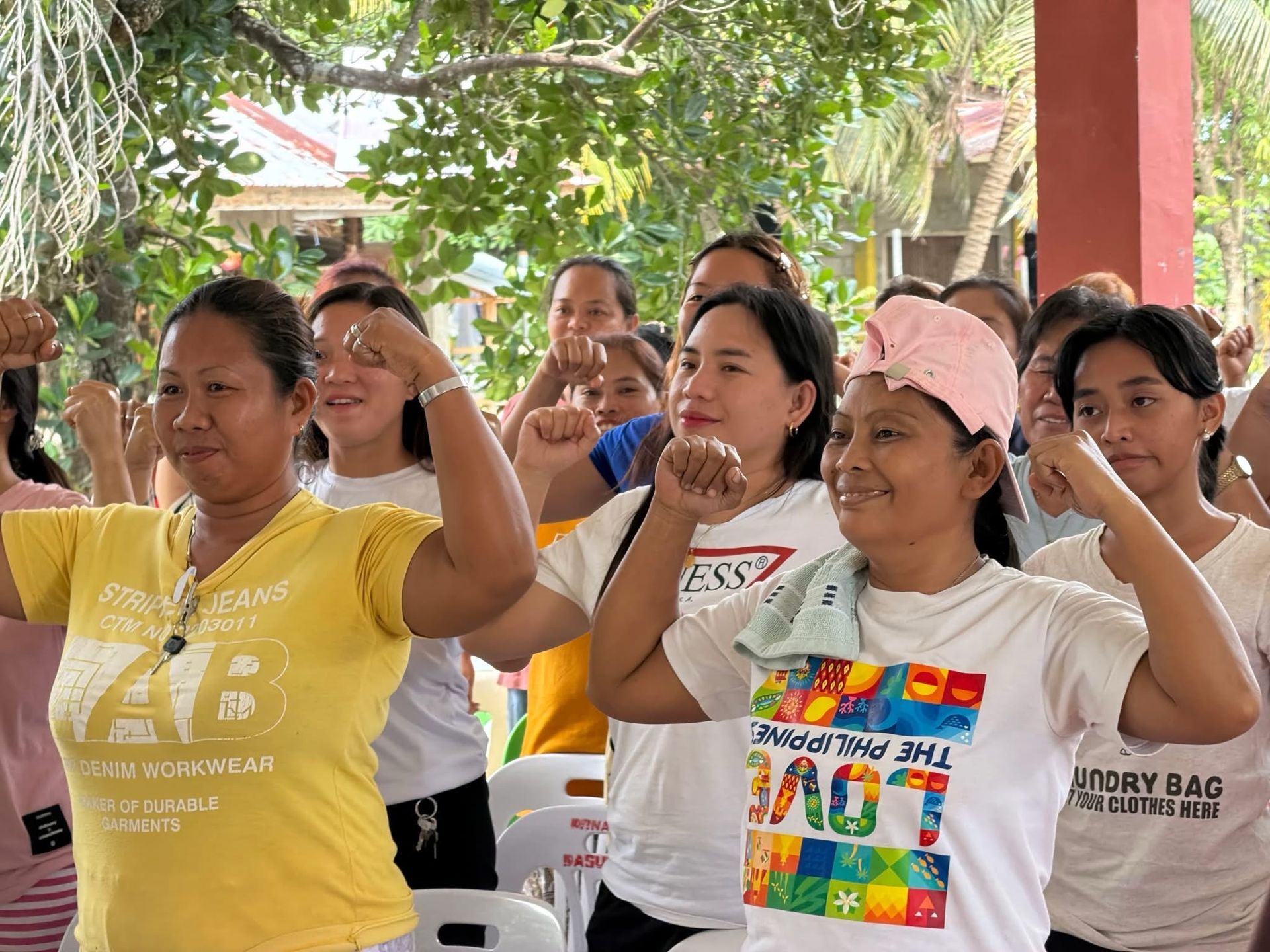
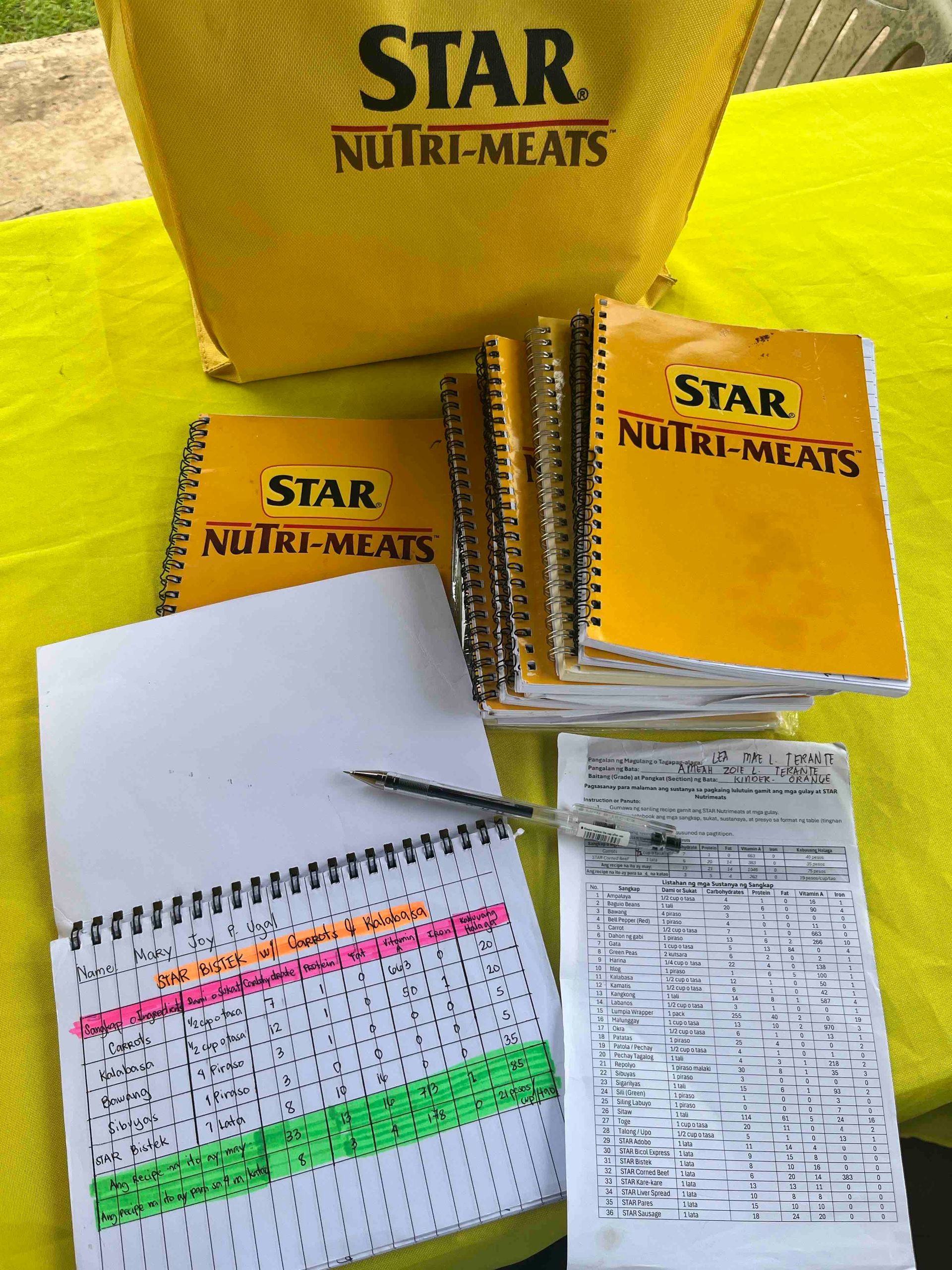
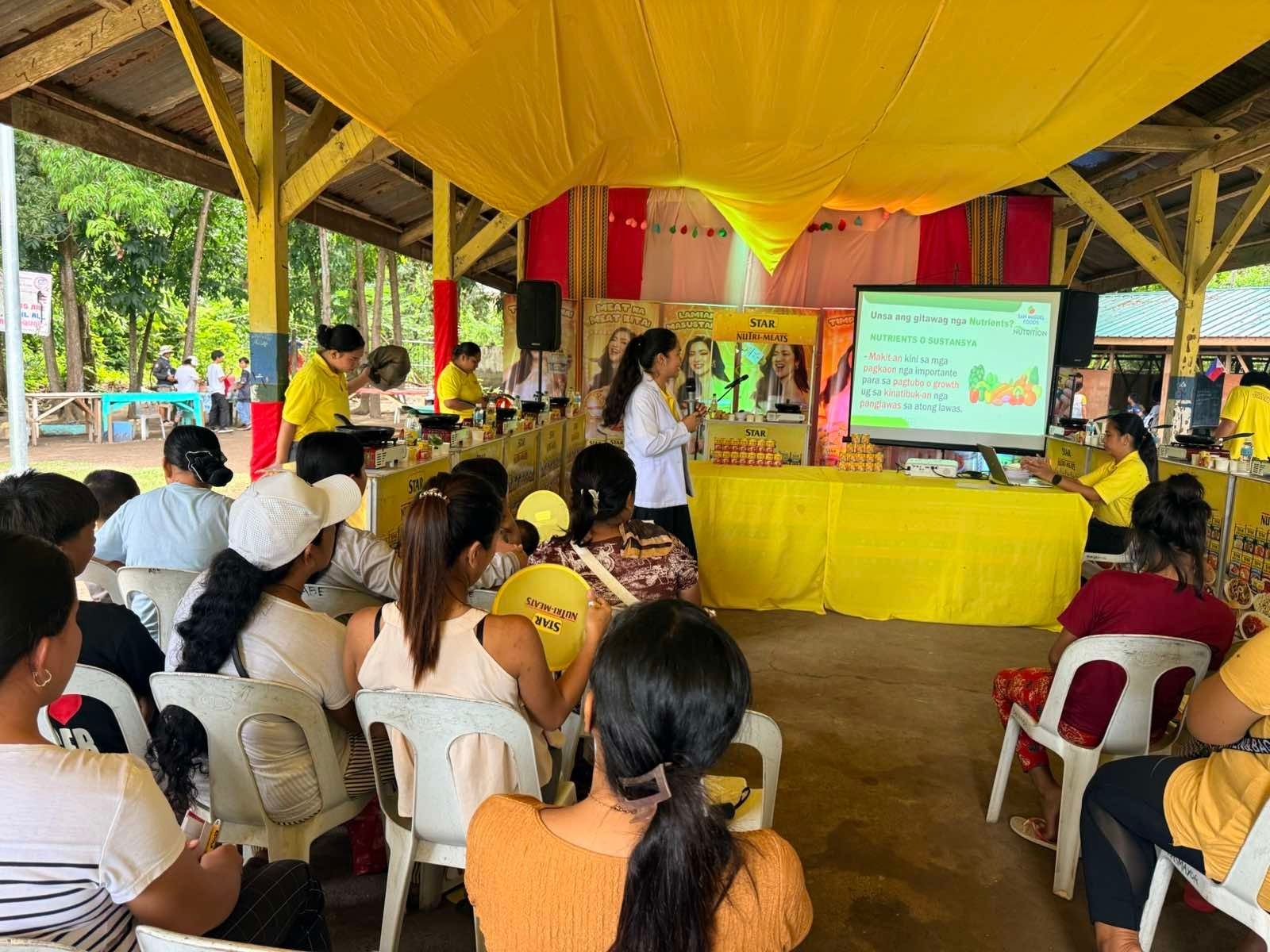
San Miguel Foods (SMF), in partnership with Payatas Elementary School and Barangay Toro Elementary School in Quezon City, successfully launched its pilot Nutrition Education Program from August to September 2025. The initiative aimed to help combat malnutrition by equipping 200 mothers with practical knowledge and skills in meal planning, food safety, and sustainable nutrition—guided by the Pinggang Pinoy food plate model. Over four consecutive Fridays, participants joined interactive learning sessions covering topics such as healthy meal planning, understanding macro and micronutrients, and safe food preparation. Each session featured hands-on cooking demonstrations using affordable, everyday ingredients and fresh produce, including STAR NutriMeats . Mothers learned to create nutritious, budget-friendly dishes following the ideal Pinggang Pinoy proportions : one-fourth carbohydrates, one-fourth protein, and one-half vegetables and fruits. The program also encouraged collaboration and creativity through workshops where mothers developed and shared their own healthy recipes, applying lessons on nutrition, safety, and affordability. This peer-to-peer learning approach fostered camaraderie, confidence, and a sense of empowerment among participants. With 100% target attendance across both schools, the program reached not only 200 mothers but also positively impacted their families by improving home nutrition practices. Participants showed greater awareness of balanced meal preparation, learned to identify nutrient-rich food sources more easily, and felt empowered to make healthier choices for their households. Beyond enhancing individual nutrition knowledge, the program also supported the Department of Education’s School-Based Feeding Program, helping strengthen households’ ability to sustain children’s nutrition and school performance. By fostering partnerships among schools, communities, and the private sector, SMF’s initiative addressed malnutrition at its roots—starting in the home. Encouraged by the success of the pilot run, SMF plans to expand the Nutrition Education Program to more schools in Quezon City and explore its integration into school-based nutrition activities with DepEd’s support. The long-term goal is to bring this model to more communities nationwide , inspiring a ripple effect of better nutrition practices across Filipino families.
December 26, 2025
San Miguel Foods, in partnership with San Miguel Foundation has marked its 6th batch of scholars in its SEED scholarship program — Gawad Kalinga’s School for Experiential Education Development (SEED) three-month training program. With this milestone, the program has now produced 117 SEED graduate scholars, each carrying forward a story of resilience, hope, and purpose. In a country rich in agricultural resources yet facing declining participation of youth in farming, San Miguel Foods is helping redefine what agriculture can mean for the next generation. As many young Filipinos turn away from the farm, the company is taking a different view: that the future of agriculture begins with empowering young people, especially those with limited access to formal education but a strong determination to succeed. Through this program, agriculture is presented not just as a means of livelihood, but a pathway to dignity, meaningful work, and long-term food security, contributing to nation-building one young farmer at a time. Every year, San Miguel Foods sponsors 20 youth scholars to undergo an intensive, three-month agri-entrepreneurship training under SEED Philippines — a course that grants a TESDA National Certificate II, recognized by employers and meeting national competency standards. The program goes beyond technical training, strengthening character and values through workshops, permaculture-based farming activities, solidarity assemblies, bayanihan sessions, and community outreach, ensuring scholars graduate not only with skills, but the right mindset for community-driven development.
November 25, 2025
The festive season is upon us—twinkling lights, cozy gatherings, and the comforting aroma of freshly brewed coffee filling the air. As we embrace the joy of giving, there’s one gift that never fails to warm hearts and bring people together: a truly exceptional cup of coffee. This Christmas, elevate your gift-giving with OldTown White Coffee, a brew that’s both new to the Filipino palate and deeply rooted in tradition. Whether it’s for a loved one, a colleague, or your own quiet holiday moments, OldTown White Coffee is a thoughtful, flavorful way to celebrate the season.
October 27, 2025
In celebration of World Bread Day this October, San Miguel Mills, Inc. (SMMI), the flour business of San Miguel Foods, launched a flagship community initiative aimed at empowering women through baking. As part of the program, 40 women—20 from Tabangao, Batangas and 20 from Tondo, Manila—were trained in baking beloved Filipino staples such as pandesal, puto, and bibingka. These workshops not only taught baking techniques but also provided practical business skills to help participants start their own small-scale baking ventures, promoting economic independence and community resilience. “This program is more than just about bread—it’s about rising together,” said Antonina Sio, General Manager of SMMI. “By teaching these women how to bake and sell Filipino favorites, we’re helping them build sustainable livelihoods and take pride in what they can create.” This initiative reflects SMMI’s commitment to inclusive growth and nation-building through food. It highlights the company’s belief in the transformative power of bread—not just as nourishment, but as a tool for opportunity. “World Bread Day reminds us of the simple yet profound impact of food,” said Emmanuel Macalalag, President of San Miguel Foods. “Through these workshops, we’re investing in people—giving them the means to provide for their families and contribute meaningfully to their communities.” The workshops were held in partnership with Barangay Aplaya in Tabangao and San Miguel Corporation’s Better World Tondo in Manila. SMMI provided flour, baking equipment, and expert instruction. Participants also received guidance on pricing, packaging, and selling their products in local markets. SMMI encourages everyone to support local bakers and recognize the vital role bread plays in shaping lives and communities.
September 18, 2025
At San Miguel Foods, we believe that eating well shouldn’t be complicated—or boring.  That’s why we offer a wide range of nutritious products that support a healthier lifestyle without sacrificing taste. From protein-rich chicken breast nuggets and meat-free burger patties to dairy options like low fat milk, fresh milk, chocolate milk, and non-fat milk, our line-up is designed to meet your wellness goals. Whether you're looking for sugar-free coffee to start your day, marinated chicken for a balanced meal, or nutrient-packed spreads like margarine, our products make it easier to enjoy food that’s both satisfying and good for you. Here are a few of your favorite San Miguel products - check out their nutritional components!
September 18, 2025
In today’s fast-paced world, food choices are shaped by convenience, accessibility, and evolving lifestyles. While natural foods often take center stage in nutrition conversations, processed foods have become indispensable in meeting modern dietary needs. Instead of drawing a hard line between the two, there is an opportunity to adopt a more inclusive approach. One that combines both to support a healthy, balanced, and sustainable diet.
More Posts