November 24, 2026
From processed foods to balanced diets: Why nutrient profiles matter
Building healthier diets is not about avoiding processed foods. It is about understanding their nutritional contribution and how they fit into the overall diet.
Processed foods are part of everyday life for many Filipino families. Canned fish, meat products, bread, cheese, milk, sauces, noodles, and other packaged foods can provide convenience, affordability, and important nutrients. The key question is not simply whether a food is “processed,” but rather what nutrients it contributes and how it fits into a person’s total daily diet.
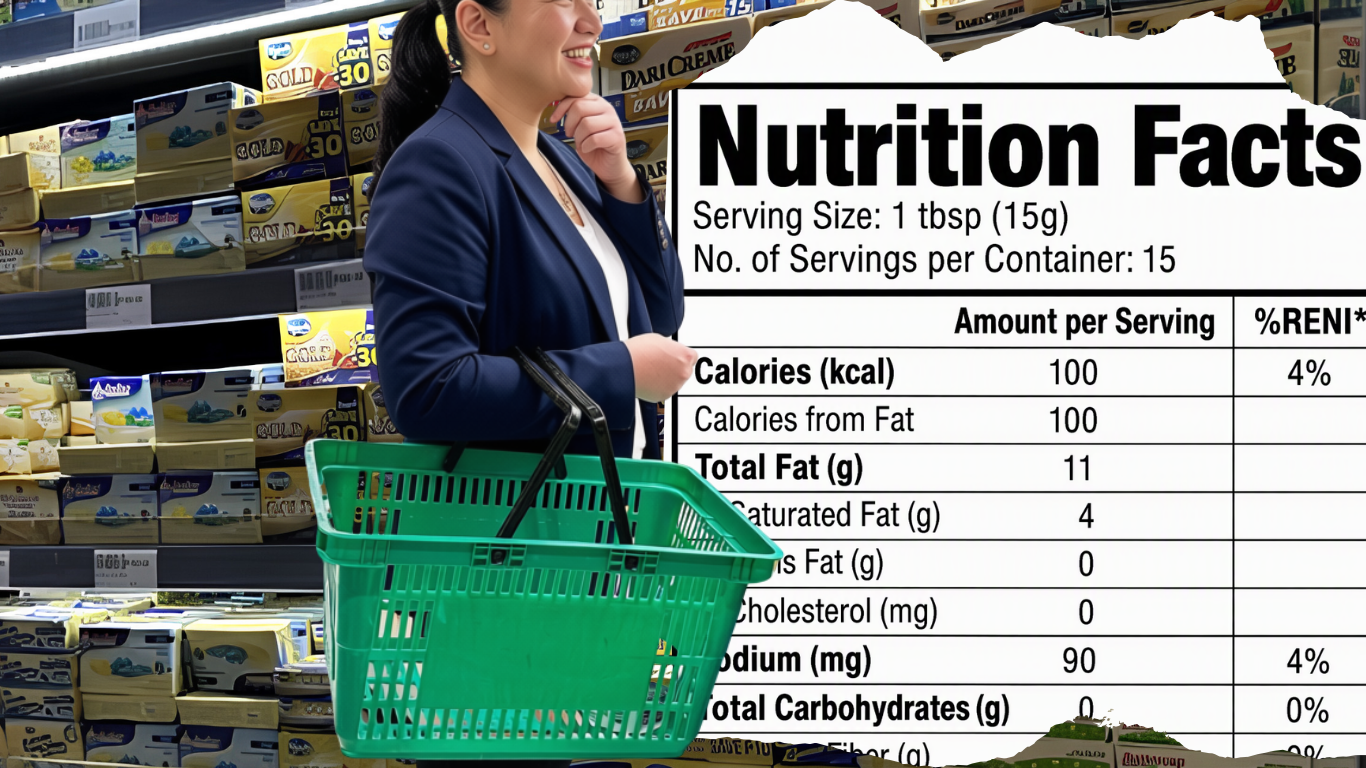
This is where nutrient profiling becomes relevant.
Looking beyond a single nutrient
A nutrient profile provides a way to assess the nutritional characteristics of a particular food based on nutrients rather than focusing only on one component. It considers nutrients that should be eaten in moderation, such as sodium, saturated fat, total fat, non-sugar sweetener, together with nutrients that contribute to a healthy diet, such as protein, fiber, vitamins, and minerals.
This broader perspective is important because foods rarely contribute just one nutrient.
For example, processed foods may provide protein, iron, calcium, or other essential nutrients while also contributing sodium or fat. If one only evaluates based on the nutrient that needs to be limited, one may overlook the food's other positive nutritional contributions.
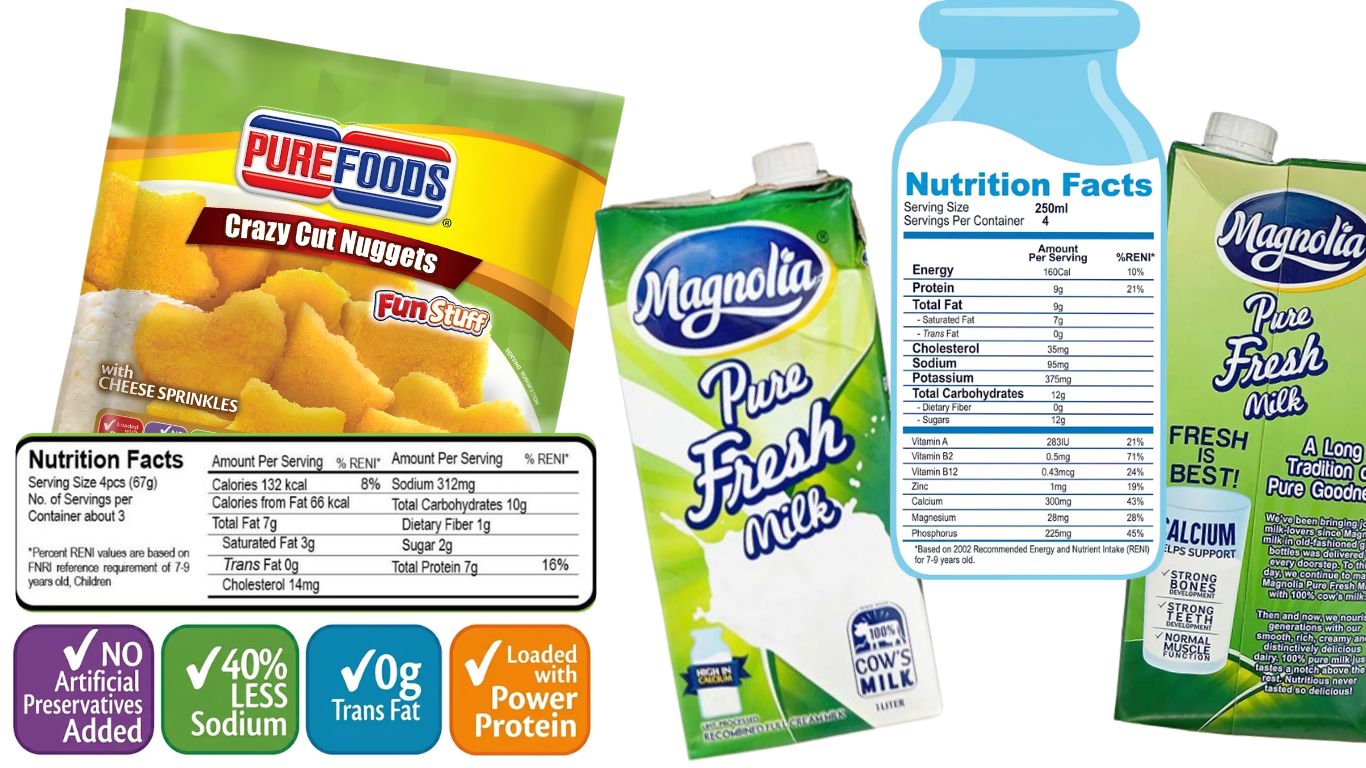
The bigger picture: The daily diet
A person's nutritional health is determined by the overall diet, not by a single food eaten at a single meal.
The
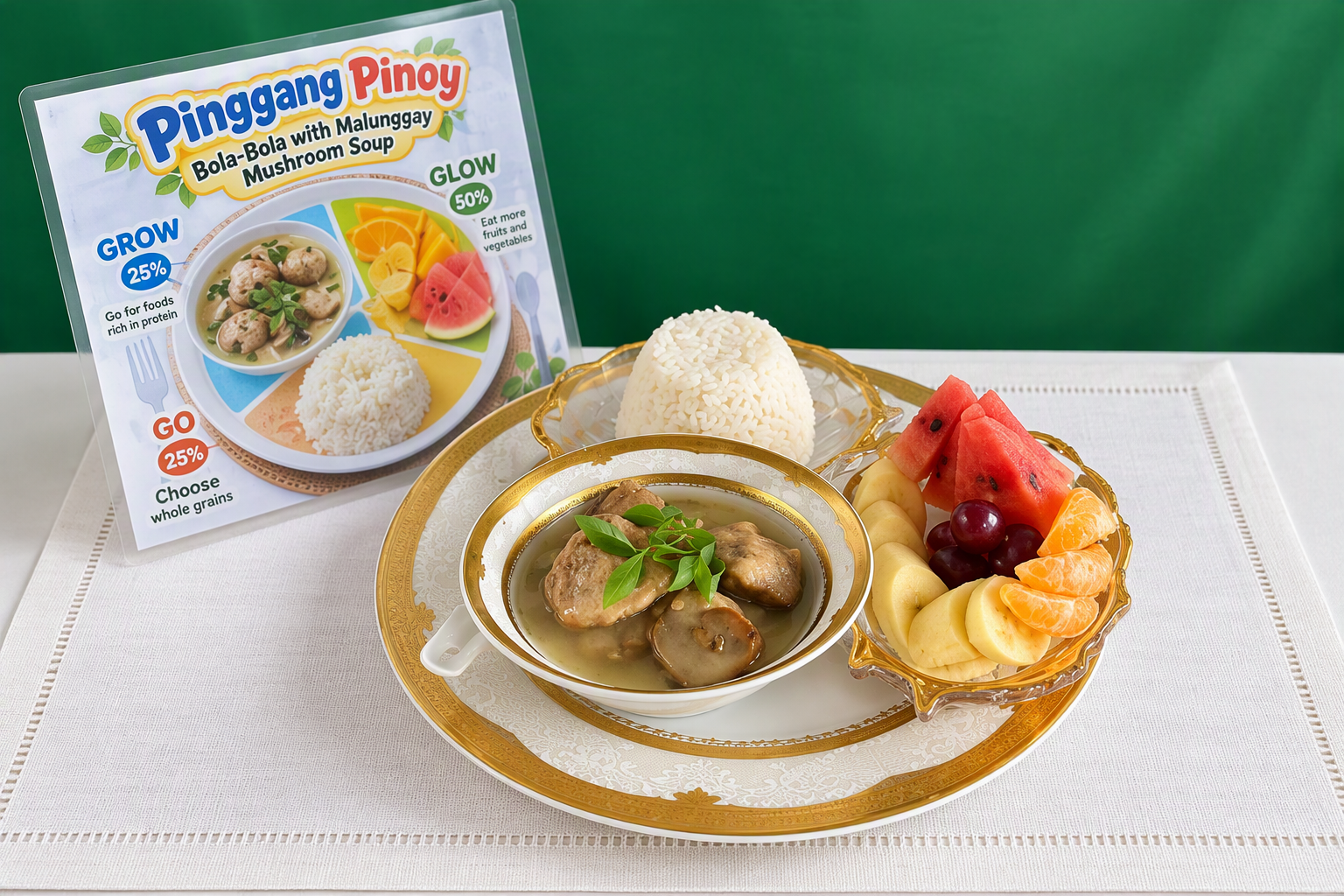
Pinggang Pinoy
framework reminds us that a balanced meal should include a variety of food groups served in appropriate proportions. Processed foods can be incorporated into this pattern when their nutritional contribution is considered alongside other foods eaten throughout the day.
For example, a protein-rich processed food may be paired with vegetables, fruits, and a source of whole grains or other appropriate carbohydrates. If one food contributes more sodium or fat, other meals can be planned with foods that are naturally lower in these nutrients.
The goal is not to make every food nutritionally perfect. The goal is to help people build a nutritionally adequate and balanced diet over the course of the day.
Why nutrient profiling matters for consumers
A well-designed nutrient profile can help consumers and nutrition professionals answer practical questions such as:
- What nutrients does this food provide?
- What nutrients should be consumed in moderation?
- How does food contribute to the nutritional needs of an individual?
- How can it be combined with other foods to create a balanced meal?
- What healthier choices or appropriate portions can be considered within the person's overall diet?
- This approach supports informed food choices rather than simply categorizing foods as “good” or “bad.”
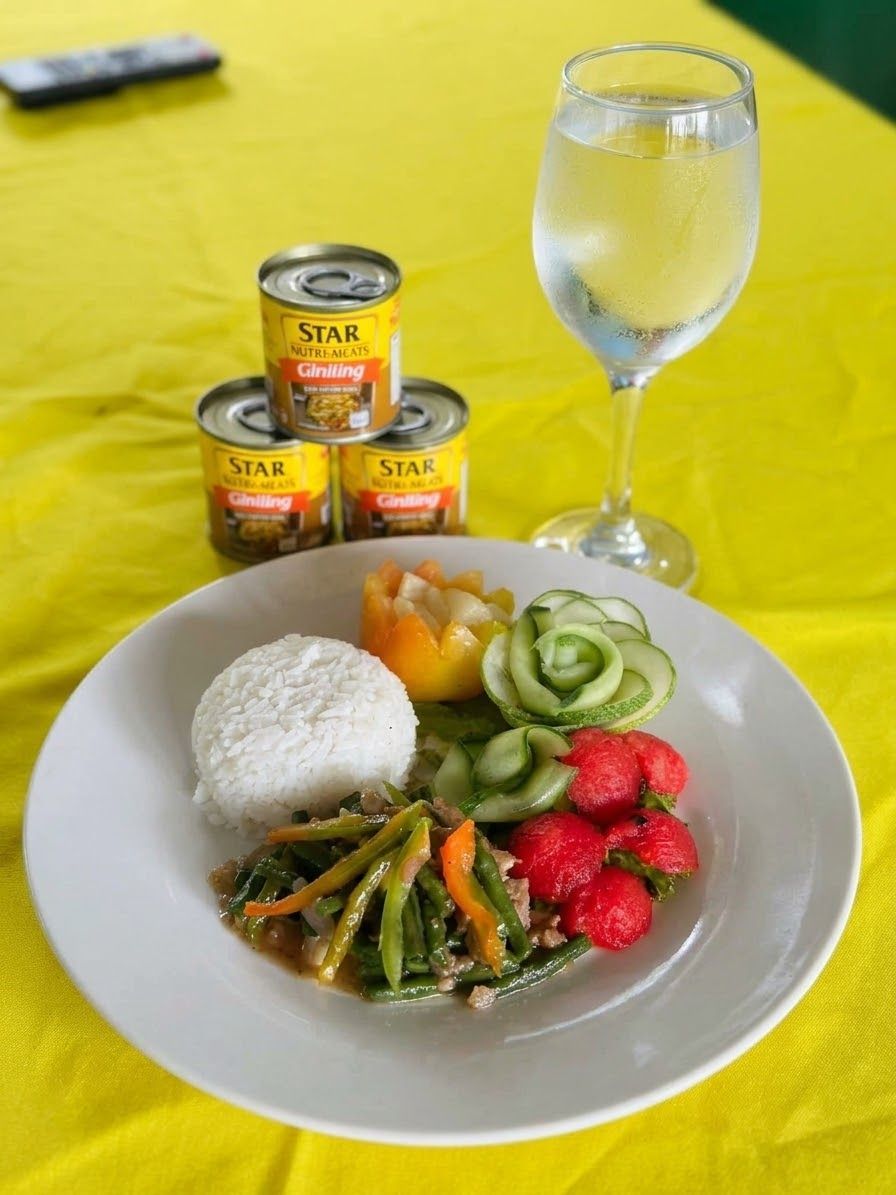
From nutrient profile to better product choices
Nutrient profiling can also encourage food manufacturers to continuously improve their products. By identifying opportunities to reduce sodium, saturated fat, or free sugars while maintaining or increasing beneficial nutrients, manufacturers can contribute to healthier food choices.
However, product reformulation should take a holistic approach rather than focus on a single nutrient. Any changes should preserve food safety, quality, affordability, consumer acceptance, and overall nutritional value.
Balance is the end goal
Nutrition is ultimately about balance, variety, adequacy, and moderation.
Processed foods can have a place in a balanced diet when consumed appropriately and combined with a variety of minimally processed and whole foods. Nutrient profiling provides a useful tool for understanding where individual foods fit within that bigger picture.
The conversation should therefore move beyond “Is this food processed?” and toward a more meaningful question:
“What does this food contribute to my diet, and how can I balance it with the other foods I eat throughout the day?”
When we look at food through the lens of its total nutritional contribution, we empower consumers to make practical choices and create a food environment that supports healthier, more balanced diets for Filipino families.
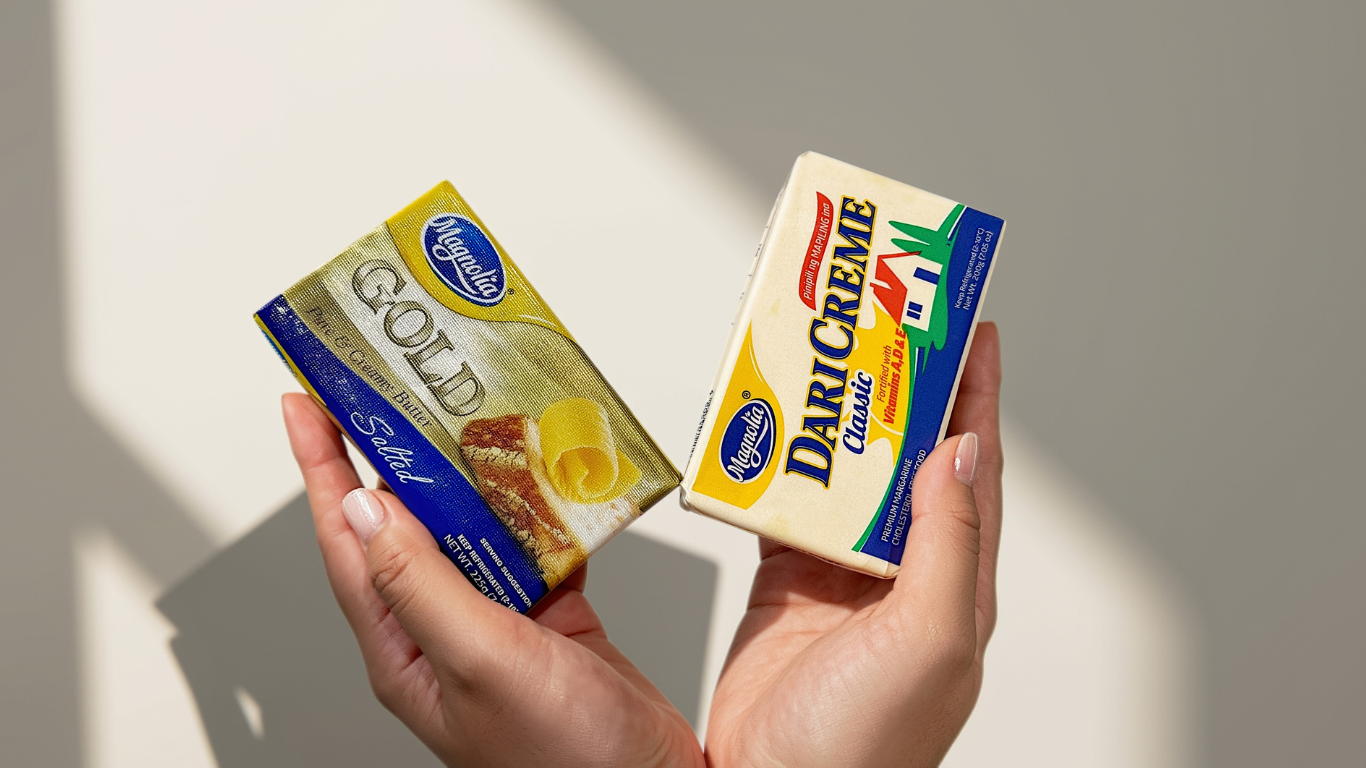
Food and nutrition conversations today are often reduced to simple labels: good or bad, natural or processed, healthy or unhealthy. Social media can make these distinctions seem straightforward—but nutrition is rarely that simple. Butter and margarine are good examples. Both have been part of everyday cooking and food preparation for generations, yet discussions about them can sometimes focus on which one is “better” or whether one should be completely avoided. A more useful way to look at these foods is to consider the bigger picture of the diet. No single food carries the burden of a healthy diet A healthy eating pattern is built from a variety of foods that provide different nutrients. Vegetables and fruits contribute vitamins, minerals and fiber, while whole grains provide carbohydrates and other nutrients. Protein-rich foods contribute protein and essential nutrients, while fats provide energy and help the body absorb certain fat-soluble vitamins. This supports an important principle: no single food needs to carry the entire burden of a healthy diet. Butter and margarine can both be part of food preparation and eating occasions. What matters is making informed choices and using these products in appropriate amounts as part of an overall balanced eating pattern.

After three years of nutrition intervention, 93% of 1,000 children from less-fortunate communities enrolled in a San Miguel Foods program since 2024 are now within the normal range for height and weight, according to the program’s latest results. The findings come amid a continuing nutrition challenge in the Philippines, where government data shows that the stunting rate among children under the age of five has reached 25.3%, or roughly one in four children. This is reported to be a 1.7% rise from 2023 levels--the first such increase in the country’s stunting rate since 2015. ¹ The program, dubbed “Happy si Mommy, Malusog si Baby” is San Miguel Foods’ implementation of the “First 1,000 Days Initiative” , global health movement focused on nutrition for the first 1,000 days of a baby’s life. Conducted together with the San Miguel Foundation, the social development arm of the food firm’s parent San Miguel Corporation (SMC), the program measures children’s development based on World Health Organization (WHO) Child Growth Standards and standards set by the National Nutrition Council. The three-year period starts from the second trimester of the mother’s pregnancy to the child’s second birthday--said to be the most critical window for physical and cognitive development; what happens at this stage usually has life-long consequences. Beneficiaries in Misamis Oriental, Bukidnon, Davao del Sur, and Batangas province are currently on their third year, and completing the program’s final cycle. After it successfully implemented the program for a first batch of beneficiaries in 2022, San Miguel Foods decided to expand the program to 1,000 more beneficiaries in 2024. “As with any San Miguel project, we make sure we are in it long enough to make a difference,” said SMC CEO Ramon S. Ang. “That is why we designed this program to be there with mothers and children, day-by-day, every step of the way, for a full three years. The results speak for themselves, and we are grateful to all the partners who helped make this happen.” On the first year, upon enrollment to the program, mothers receive free ultrasound and pre-natal check-ups, nutrition education, and breast-feeding guidance. On year two, when they would have given birth, up to around the time babies turn one-year-old, the mothers were given sessions on postpartum care and positive parenting, developed by Child-Fam Possibilities Psychosocial Services. They also received a full-year supply of mingo meals—a nutrient dense food supplement made from rice, monggo (mung beans), and malunggay (moringa), sourced from the Negrense Volunteers for Change Foundation. The meals are distributed throughout the year as complementary feeding alongside breastmilk--ensuring that each child’s nutritional needs are met, even when household resources are limited. Year three introduces a new dimension: early literacy. In partnership with the Adarna Group Foundation, one of the country’s foremost advocates for Filipino children’s literature, the program equips mothers with the knowledge and tools to nurture in their children a love for reading.
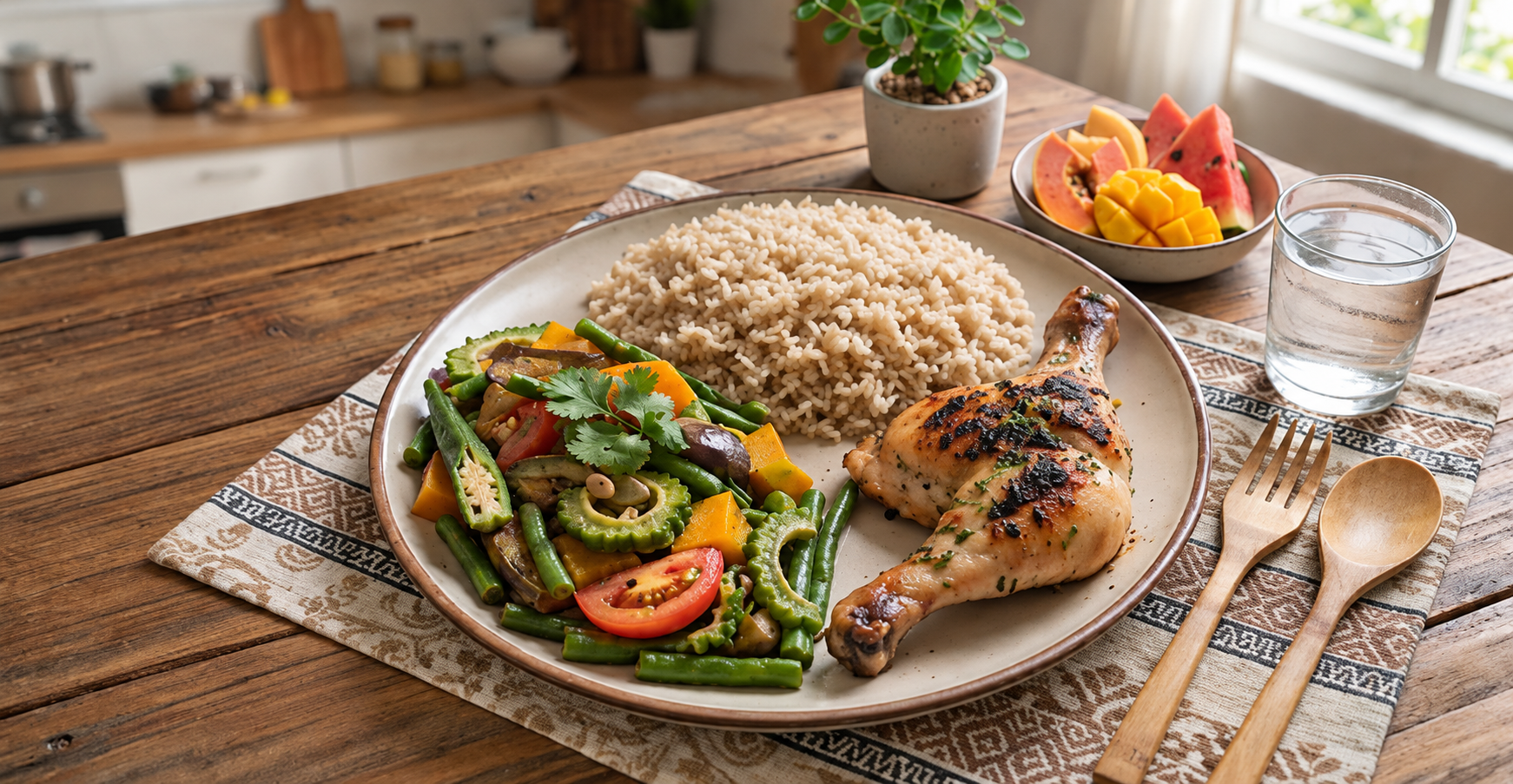
Why understanding portions, not avoiding food, is key to balanced and sustainable nutrition
With busy schedules, family responsibilities, and countless food choices available every day, it can be easy to put nutrition and wellness on the back burner. We may know what a balanced lifestyle looks like, but putting it into practice is another story. The good news? Healthy living does not have to mean making drastic changes. Sometimes, it starts with simply pausing and asking ourselves: How well am I taking care of my nutrition and overall well-being?
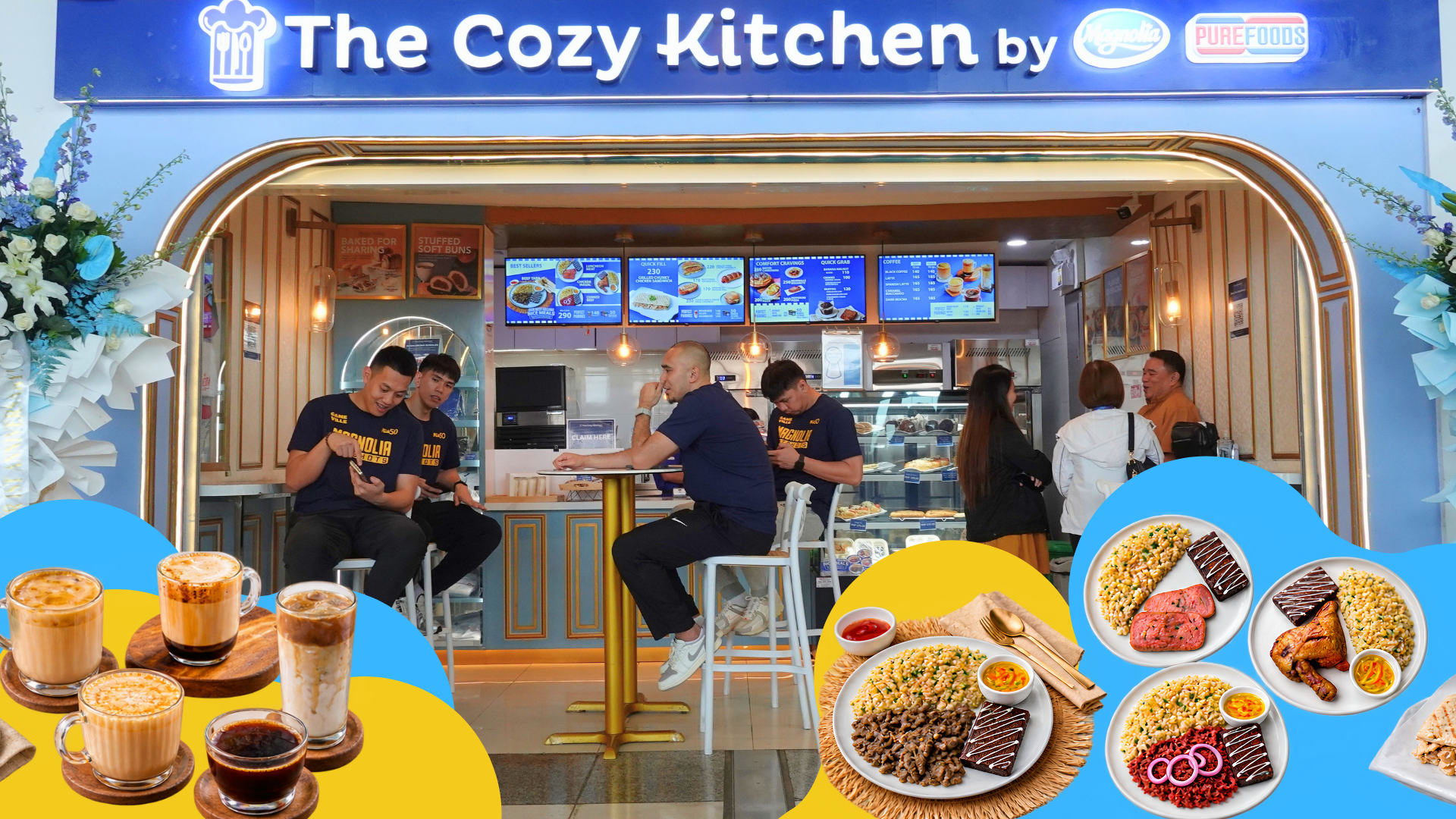
For many Filipinos, the airport is more than just a place to catch a flight. It marks the start of long-awaited vacations, emotional homecomings or important business trips. In the middle of the rush, food can offer a welcome pause, providing travelers with a sense of familiarity before they head to their next destination. At the Ninoy Aquino International Airport (NAIA), passengers can find familiar Filipino flavors through food concepts that bring together well-loved meals and favorite street food snacks.
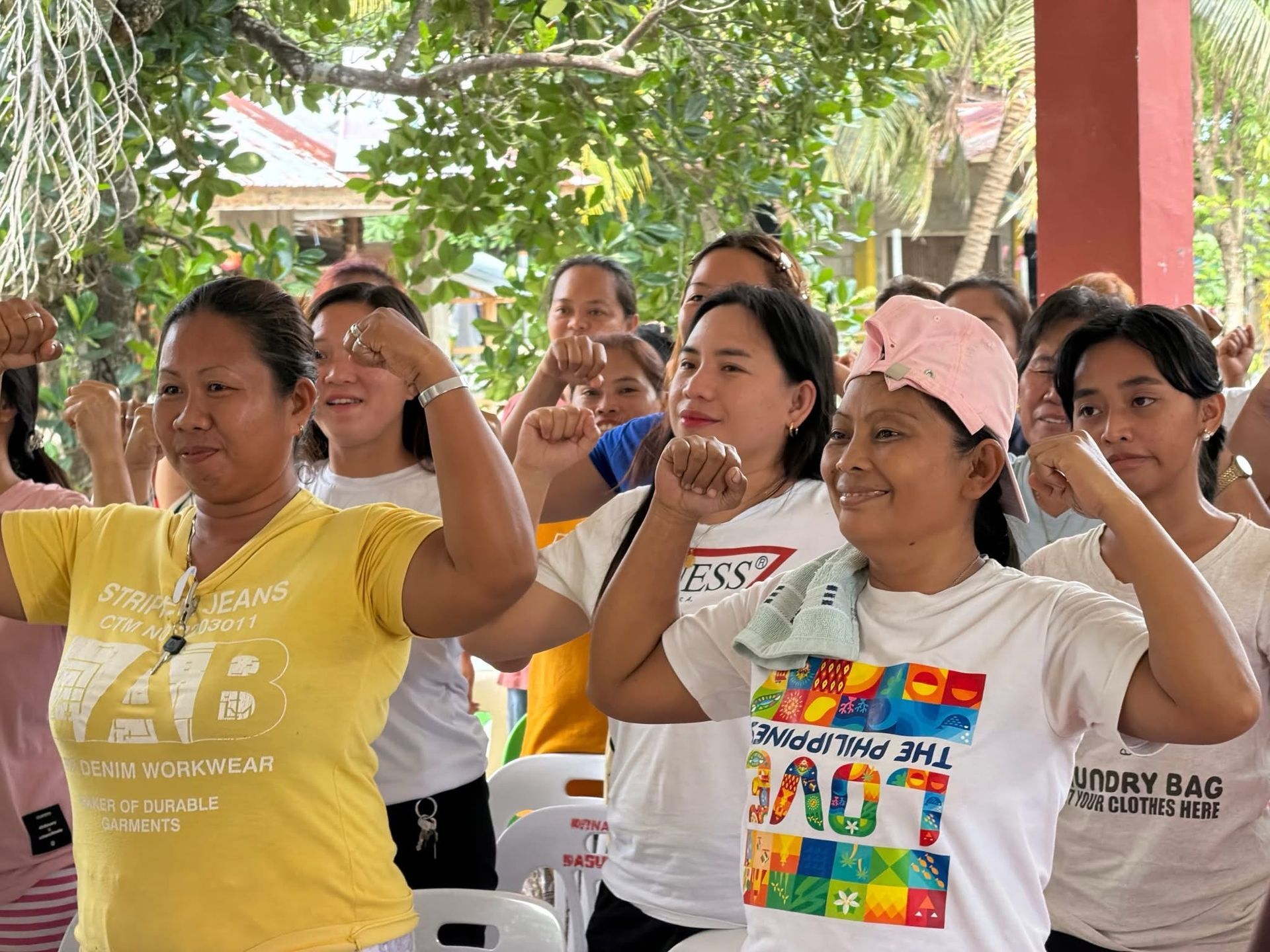
Dati, akala ko ay madali lang gawing healthy ang pagkain ng pamilya. Kumain ng mas maraming gulay at prutas. Bawasan ang matatamis at maalat. Siguraduhing nakakakain nang maayos ang mga anak. Simple lang, 'di ba? Pero iba pala kapag nanay ka na kailangang mag-plano ng lulutuin -- mamamalengke, mag-bubudget, maghahanda ng pagkain, at sisiguraduhing makakakain ang lahat. Kaya ang akala ko ay magkaiba ang masustansiyang pagkain at pagkaing madaling lutuin araw-araw .
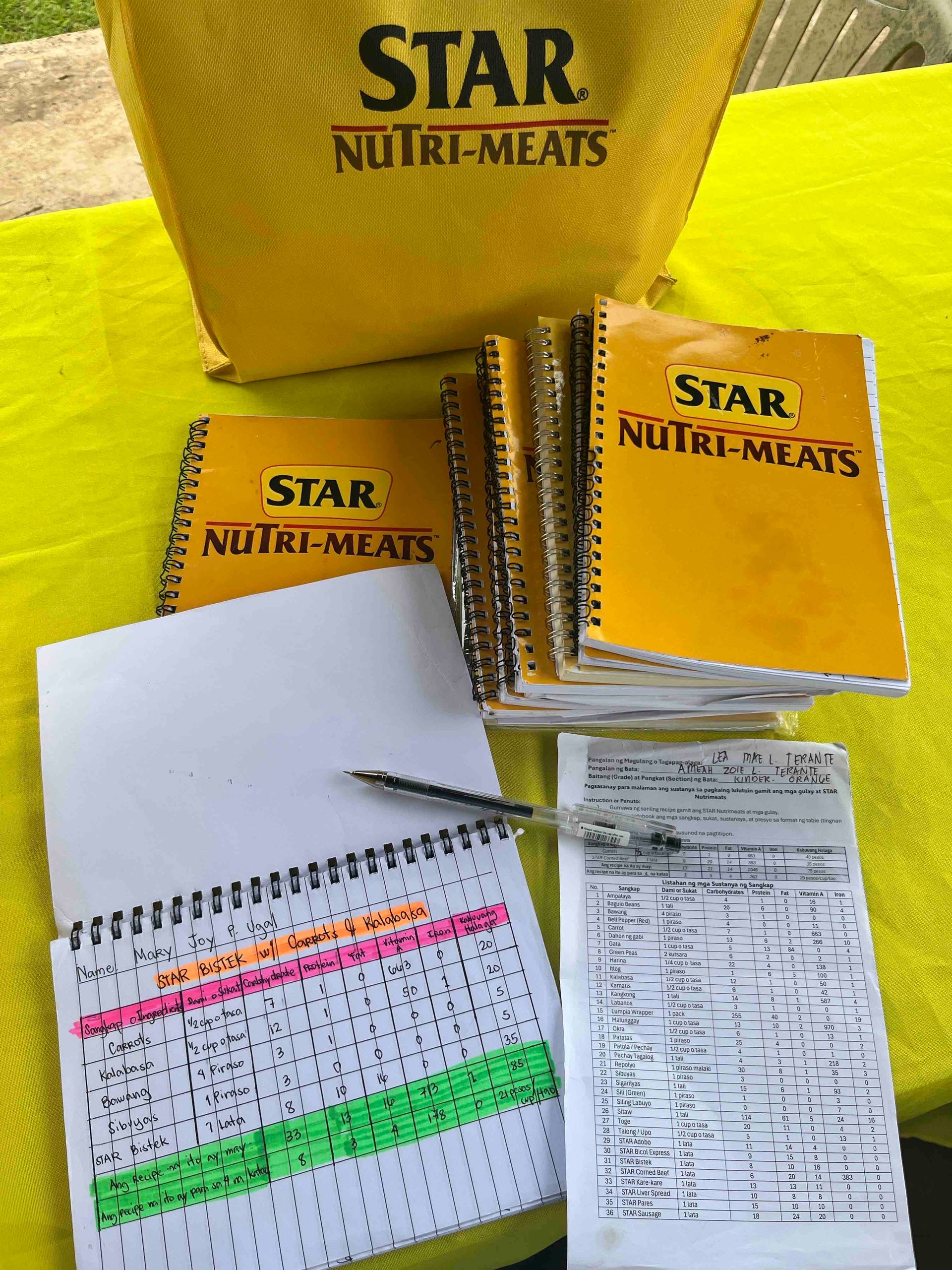
With so much nutrition information available today, choosing what to eat can sometimes feel overwhelming. Food labels, health claims, social media posts, and nutrition advice can all influence the way we see and choose our food. The good news? Making better food choices does not require following complicated rules. It starts with understanding the information available and putting it into context. Being food-informed means looking beyond simple claims, asking thoughtful questions, and considering how each food fits into your overall eating pattern.
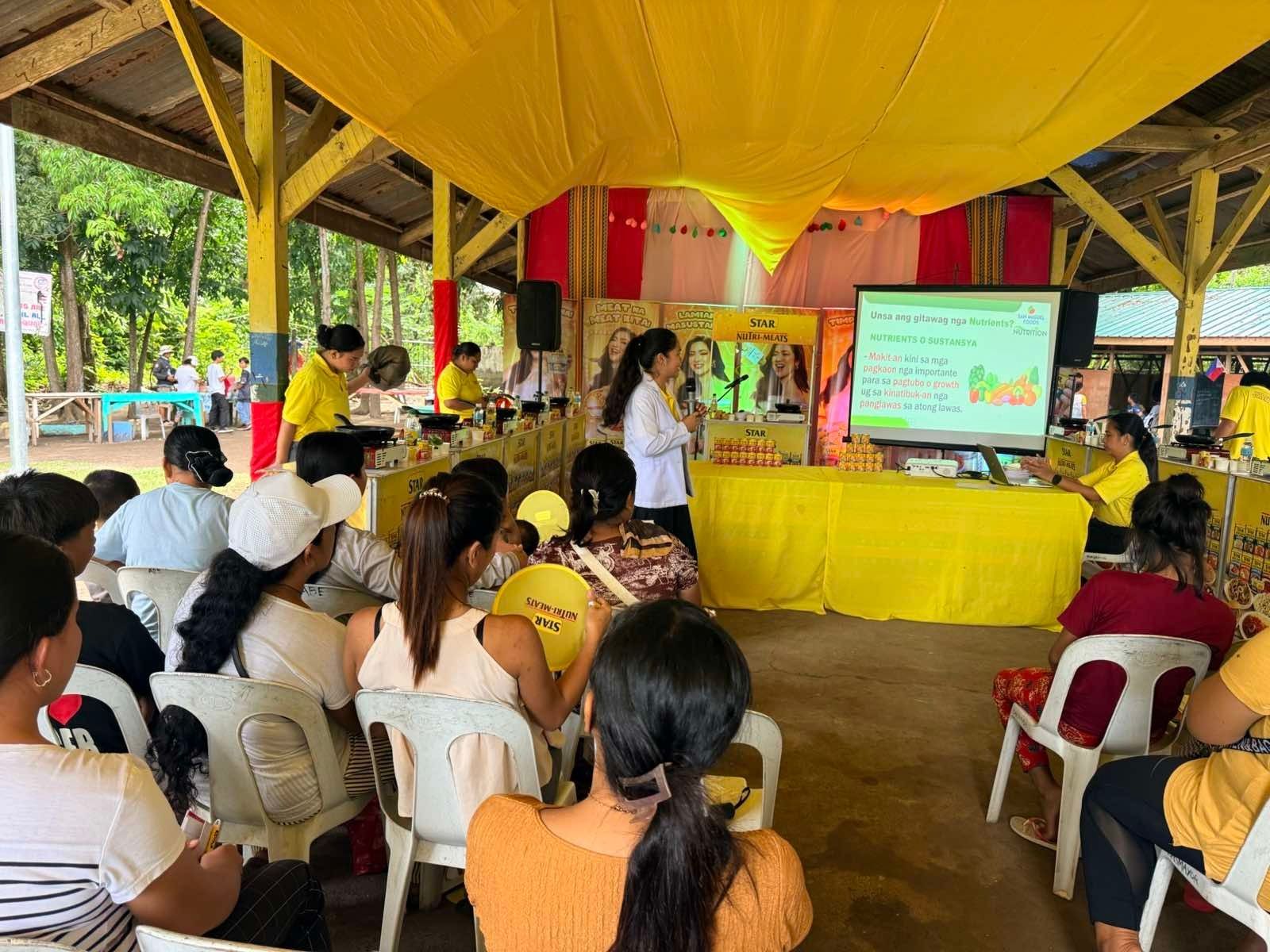
What happens when nutrition education moves beyond the classroom and into the everyday realities of Filipino families?
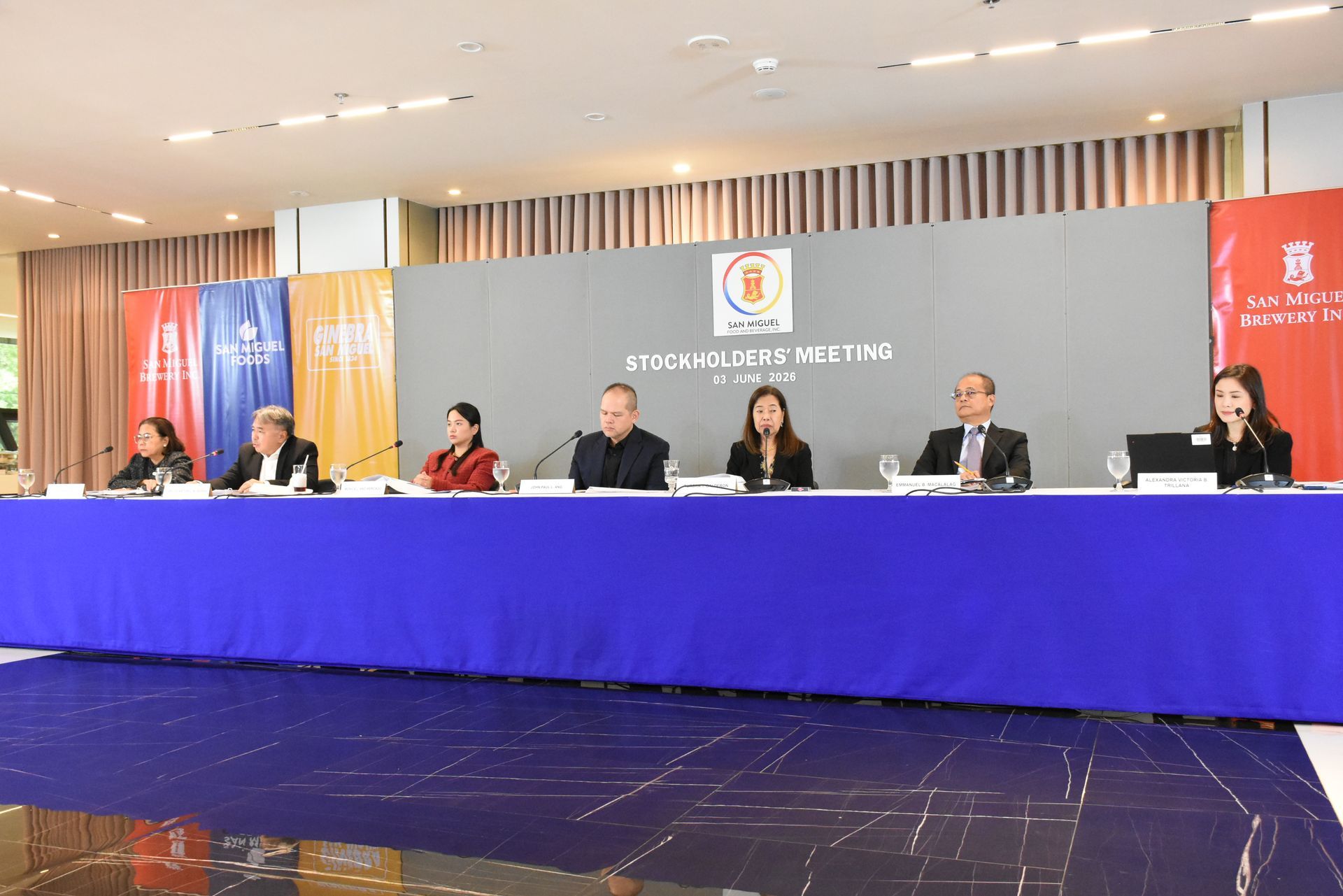
San Miguel Food and Beverage, Inc. (SMFB) held its Annual Stockholders' Meeting on June 3, 2026, at the SMC Head Office Complex Executive Dining Room, with stockholders able to participate both in person and via livestream. During the meeting, management presented the Group's full-year 2025 and first-quarter 2026 results and discussed key priorities for its three core businesses—San Miguel Foods, San Miguel Brewery, and Ginebra San Miguel. SMFB’s first-quarter net income rose 2% to P11.8 billion, supported by gains in its food and spirits businesses, stable beer performance, and disciplined cost management amid a more uncertain operating environment.

Supporting Better Digestion in a Desk-Bound Work Environment