Maria Elizabeth Abarquez, RND • September 17, 2026
Beyond the classroom: What Filipino families taught me about making nutrition practical
What happens when nutrition education moves beyond the classroom and into the everyday realities of Filipino families?
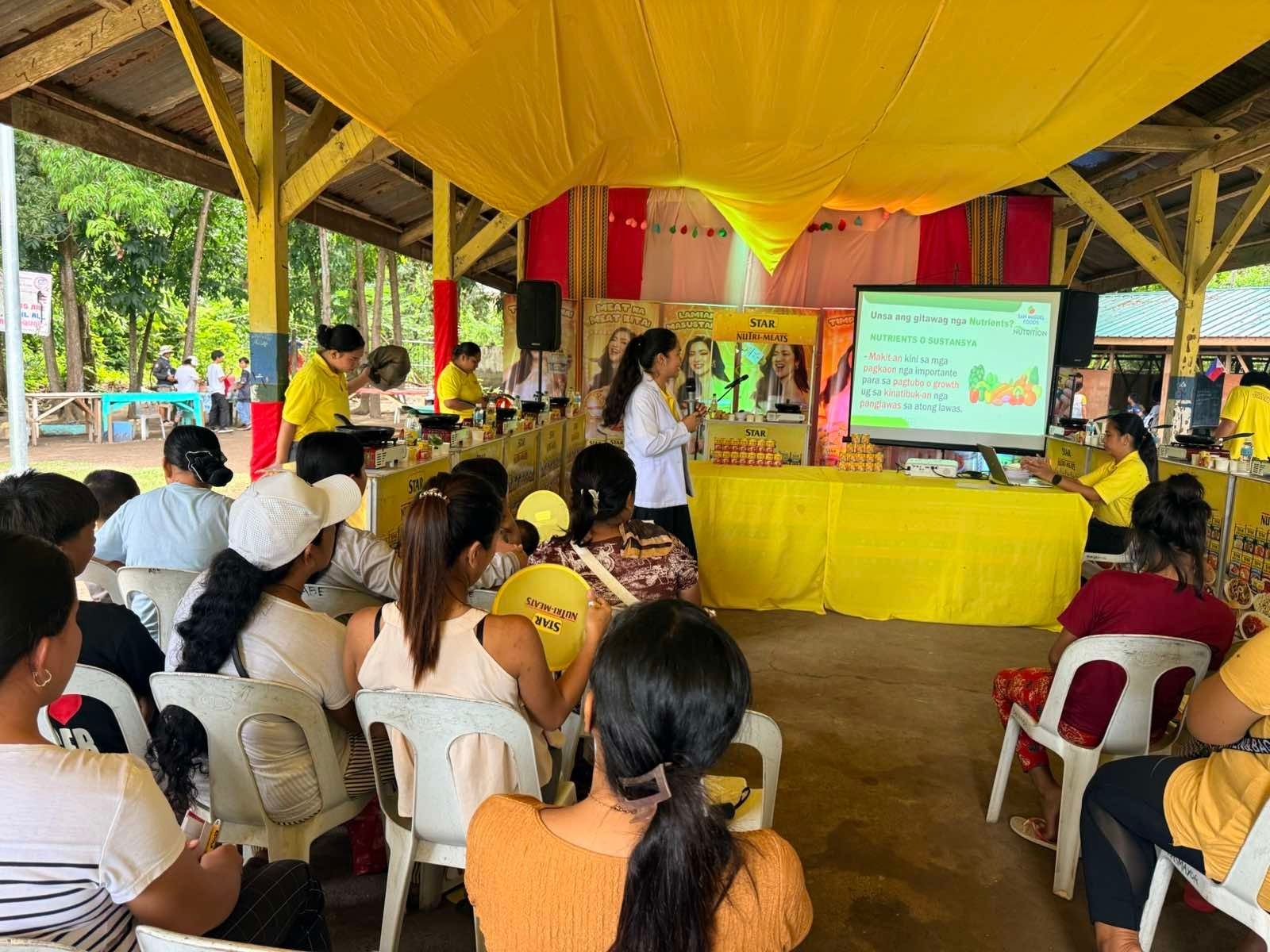
Last May 28, 2026, I was asked to be part of San Miguel Foods’ Nutrition Education Program as nutritionist lecturer. The program, developed by San Miguel Foods to build a healthier nation, targets parents and guardians of School-Based Feeding Program beneficiaries through interactive sessions, meal planning, and practical demonstrations that equip families to prepare nutritious, balanced, safe, and cost-effective meals.
As a registered nutritionist-dietitian facilitating a four-day session, I came prepared to talk about Pinggang Pinoy, nutrients, food labels, nutrition counting, and practical meal planning. But as the sessions unfolded, I realized that the learning went both ways. The parents taught me an important lesson: Nutrition education becomes meaningful when scientific knowledge can be translated into practical choices at home.
Beyond knowing what is healthy
The parents' questions were simple, but they reflected the realities of family life:
“Magkano kaya ito?” (“I wonder how much this costs?”)
“Pwede ko bang gamitin ang ingredients na meron na sa bahay?” (“Can I use the ingredients I already have at home?”)
“Kakain kaya ng gulay ang anak ko?” (“Will my child actually eat vegetables?”)
“Kaya ko ba itong ihanda kahit busy ako?” (“Can I prepare this even if I’m busy?”)
These questions reminded me that families do not make food choices based on nutrition alone. Decisions are also shaped by budget, food availability, time, cooking skills, children's preferences, and what is practical for the household.
For a nutritionist, recommending a balanced meal may be straightforward. For a parent, that meal must also be realistic and achievable.
This is why nutrition education should go beyond telling families what to eat. It should help them understand how to make healthier choices within the realities of everyday life.
Making nutrition practical—and countable
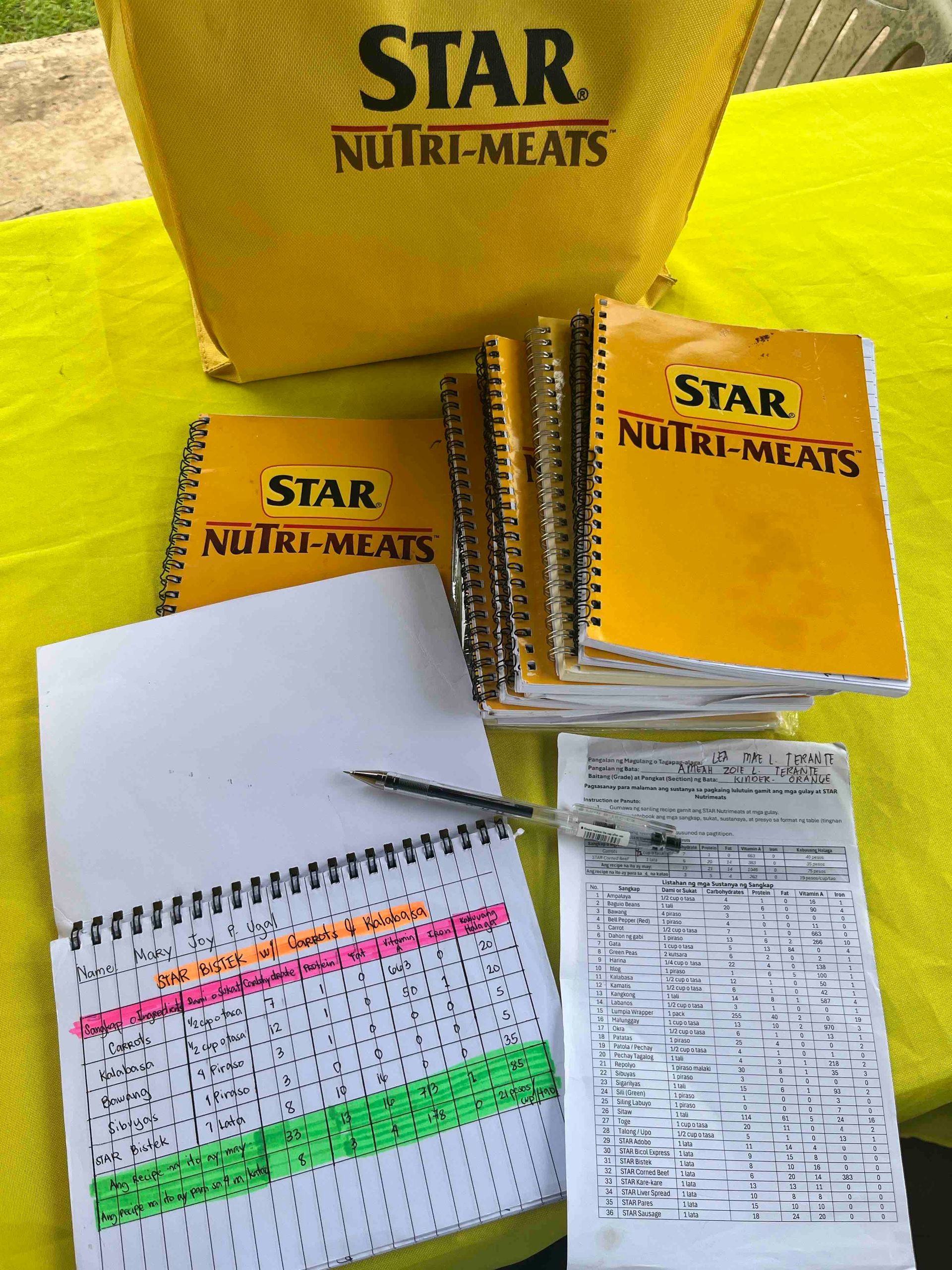
One concept that became particularly useful was helping parents understand the nutritional contribution of the foods they already have at home.
Instead of looking at food only in terms of price or whether it is simply “healthy” or “unhealthy,” parents were encouraged to consider what nutrients each food can contribute to their meal and to their day's overall diet.
Vegetables, for example, can contribute important vitamins, minerals, dietary fiber, and other beneficial nutrients. Protein sources contribute to protein and other nutrients needed for growth, development, and daily body functions.
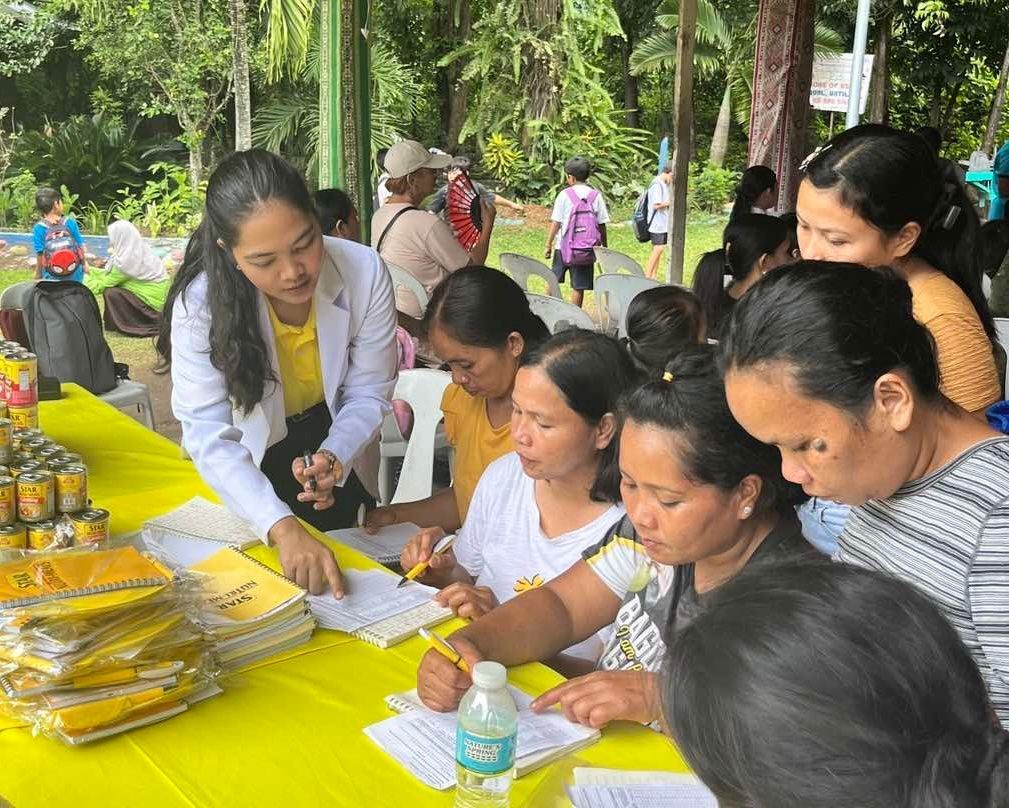
Canned protein-source products such as Star Nutri-Meats can also be considered as part of a balanced meal. Rather than looking at a canned product in isolation, the focus is on understanding its nutrient contribution and how it can be combined with vegetables, rice, or other food groups to create a more balanced meal.
This approach helps make nutrition more concrete.
For example, a parent can ask:
What nutrients does this vegetable contribute? What does my protein source contribute? What other food groups do I need to complete the meal?
The goal is not to memorize numbers or make meal planning complicated. It is to develop the habit of “counting” the nutritional contribution of food choices and looking at the meal, and eventually the day's diet as a whole.
Through
Pinggang Pinoy—an easy-to-follow visual guide using a plate model to show proper food portions for Filipinos— parents learned how different food groups work together. Nutrition counting then, provided another practical lens: Understanding how the nutrients from vegetables, protein sources, and other foods can complement one another throughout the day. To turn these concepts from theory into practice, we brought these ideas straight to the kitchen.
From individual ingredients to a balanced meal
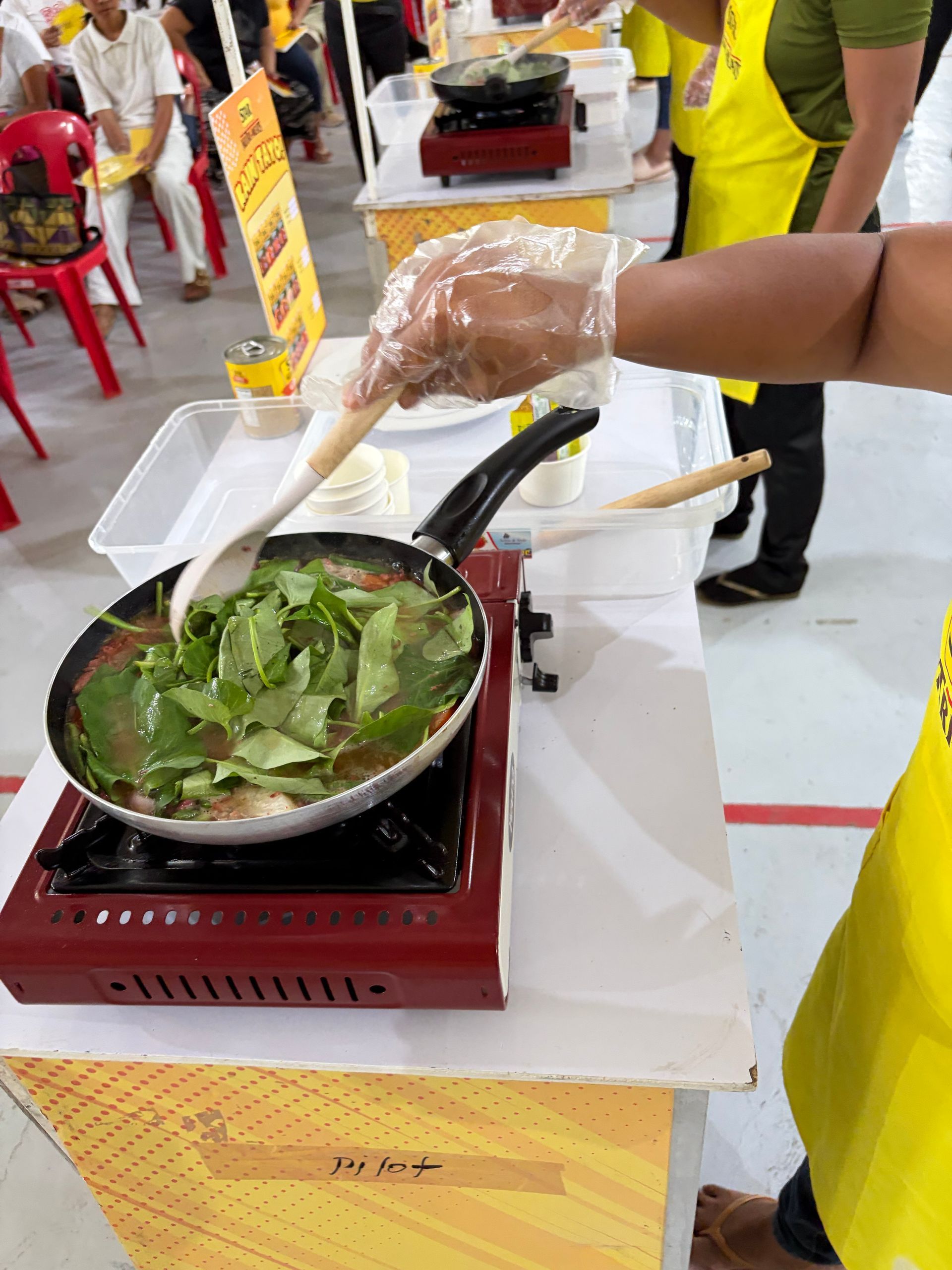
Through hands-on cooking demonstrations guided by San Miguel Food's chef—where parents actively observed, prepared, and tasted healthy dishes together—the sessions brought our lessons to life.
Rather than asking parents to completely change the way they prepare food, we focused on practical adjustments—such as adding vegetables, choosing an appropriate protein source, and improving the nutritional balance of familiar family meals.
A familiar dish can become an opportunity to add more vegetables. A convenient protein source can be paired with vegetables and other food groups rather than served alone. The important question becomes not simply “Is this food healthy?” but: “How does this food contribute to the overall meal?”
This perspective is especially important for families working within a budget. A nutritious diet does not necessarily require expensive or unfamiliar ingredients. What matters is knowing how to combine available foods and maximize their nutritional contribution.
Nutrition became less abstract. It became something parents could see, count, understand, and apply.
Nutrition is about the whole day
The Nutrition Education sessions also reminded me that nutrition should not be viewed meal by meal alone.
A particular food may provide certain nutrients, while another food provides something different. What matters is how these choices come together over the course of the day.
This is where nutrition counting becomes useful.
Parents can look at their meals and ask whether they are getting a variety of food groups and nutrients throughout the day. Vegetables can contribute vitamins, minerals, and fiber. Protein sources —such as fish, eggs, poultry, lean meat, beans, tofu, or canned products like Star Nutri-Meats—contribute essential nutrients needed for body’s growth and development. Rice and other carbohydrate sources provide energy. Fruit and other foods can add to the variety of nutrients consumed.
The goal is balance, variety, and adequacy—not perfection at every meal.
Parents also learned how to better understand nutrition information on food labels and make more informed choices when buying food.
These may seem like small decisions, but they are choices families make every day.
What we buy, how much we prepare, and how we combine the foods available at home can all influence nutrition, household resources, and overall well-being.
What the participating parents taught me
Perhaps the most valuable lesson I took away from the program was recognizing that parents already possess a great deal of practical knowledge.
They know what their children like.
They know what food is available in their communities.
They know what fits their budget.
And they know what they can realistically prepare.
Our role as nutritionists is not simply to give instructions. It is to connect scientific nutrition knowledge with what families already know and experience.
That means listening before teaching, demonstrating rather than simply explaining, and providing recommendations that families can realistically apply.
The experience reminded me that nutrition education should not be about asking families to achieve an ideal lifestyle overnight. It should be about helping them discover small, practical changes that can make a meaningful difference.
From the training room to the family table
Across the program, parents shared how they planned to apply what they learned—using the Pinggang Pinoy model.
For an initiative designed to reach more than 1,000 parents in public elementary schools nationwide, these individual commitments may seem small. But multiplied across families and communities, they represent an opportunity to make nutrition education part of everyday life.
Some parents shared their excitement about bringing the lessons home and involving their children in healthier food choices. These moments were encouraging because they showed that learning does not have to end when the session ends.
At the end of the day, the success of nutrition education is not measured only by whether participants can recall a nutrition concept after a session. Sometimes, the definition of success is much simpler. It is a parent realizing that a nutritious meal can fit within the family’s budget. It is a parent understanding that the vegetables and protein sources on the plate have important nutritional contributions. It is a parent who is becoming more confident in putting these kinds of food together. It is a child who is becoming more willing to try vegetables. And it is a parent simply saying,
“Kaya ko pala ito.” (I can do this).
A lesson worth bringing home
As a nutritionist, I entered the program with the goal of teaching. I left with a deeper appreciation of what it truly means to make nutrition matter.
Seeing parents become more confident, ask questions, share their experiences, and find ways to apply nutrition concepts to their own families was deeply fulfilling.
The most rewarding moments were not necessarily when parents answered a nutrition question correctly. They were the moments when they connected the lessons to their own lives—when a nutrition concept became a practical choice they can make at home.
I am grateful to the initiators of this program for creating an opportunity to bring practical nutrition education closer to Filipino families. It was meaningful to be part of an initiative that goes beyond sharing information and creates a space where parents can learn, practice, ask questions, and gain confidence.
The experience reminded me why nutrition education is so important.
We may teach the lesson, but the real impact happens when families take that lesson home.
I came to teach nutrition. I went home reminded of why I chose to be a nutritionist—because sometimes, the greatest fulfillment comes from seeing knowledge turn into confidence, confidence turn into action, and action become part of a family's everyday life.
And for that, I am grateful to have been part of a program that has already touched more than a thousand Filipino parents and aims to reach even more families across the country.
That is when nutrition education truly goes beyond the classroom.
With so much nutrition information available today, choosing what to eat can sometimes feel overwhelming. Food labels, health claims, social media posts, and nutrition advice can all influence the way we see and choose our food. The good news? Making better food choices does not require following complicated rules. It starts with understanding the information available and putting it into context. Being food-informed means looking beyond simple claims, asking thoughtful questions, and considering how each food fits into your overall eating pattern.
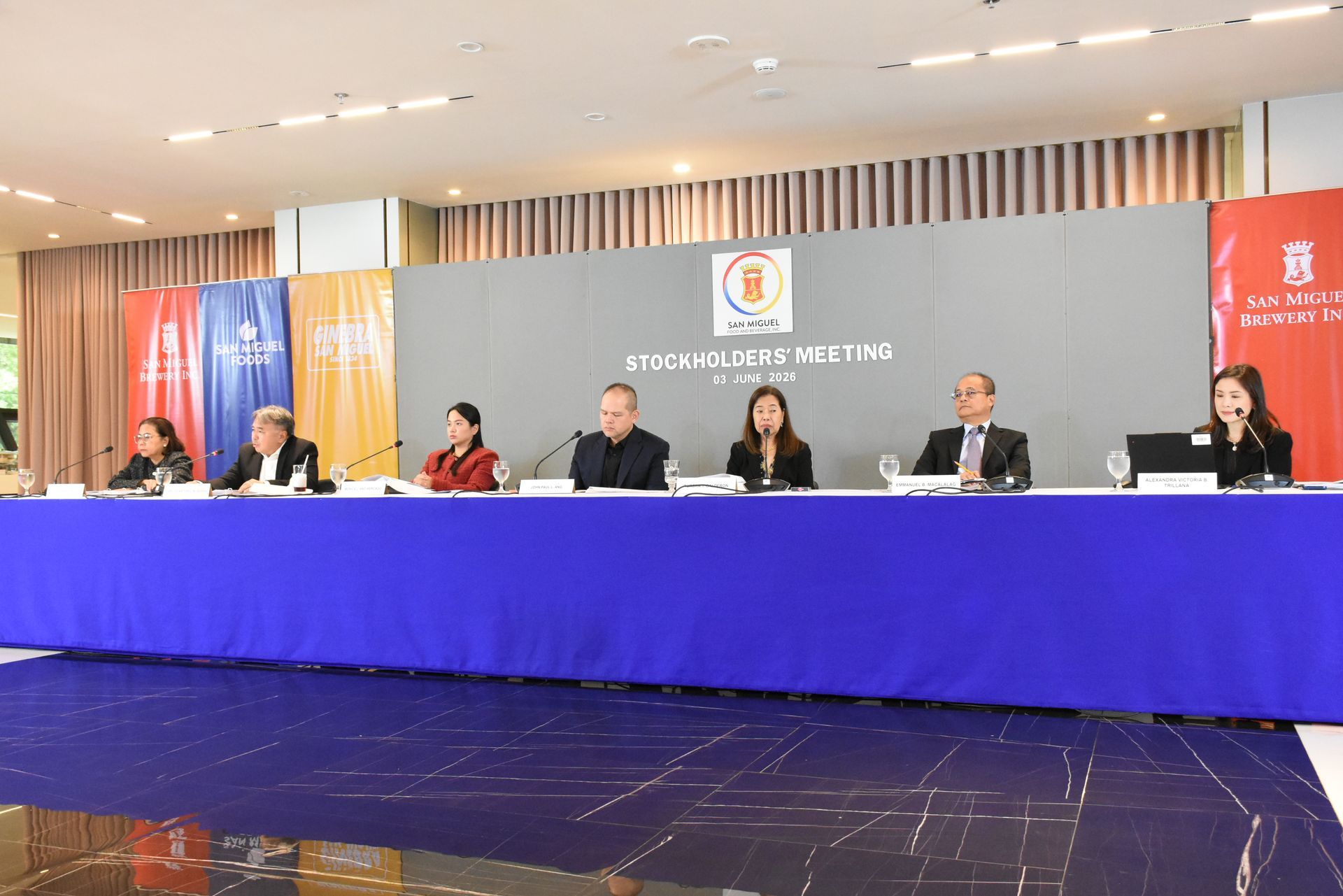
San Miguel Food and Beverage, Inc. (SMFB) held its Annual Stockholders' Meeting on June 3, 2026, at the SMC Head Office Complex Executive Dining Room, with stockholders able to participate both in person and via livestream. During the meeting, management presented the Group's full-year 2025 and first-quarter 2026 results and discussed key priorities for its three core businesses—San Miguel Foods, San Miguel Brewery, and Ginebra San Miguel. SMFB’s first-quarter net income rose 2% to P11.8 billion, supported by gains in its food and spirits businesses, stable beer performance, and disciplined cost management amid a more uncertain operating environment.

Supporting Better Digestion in a Desk-Bound Work Environment
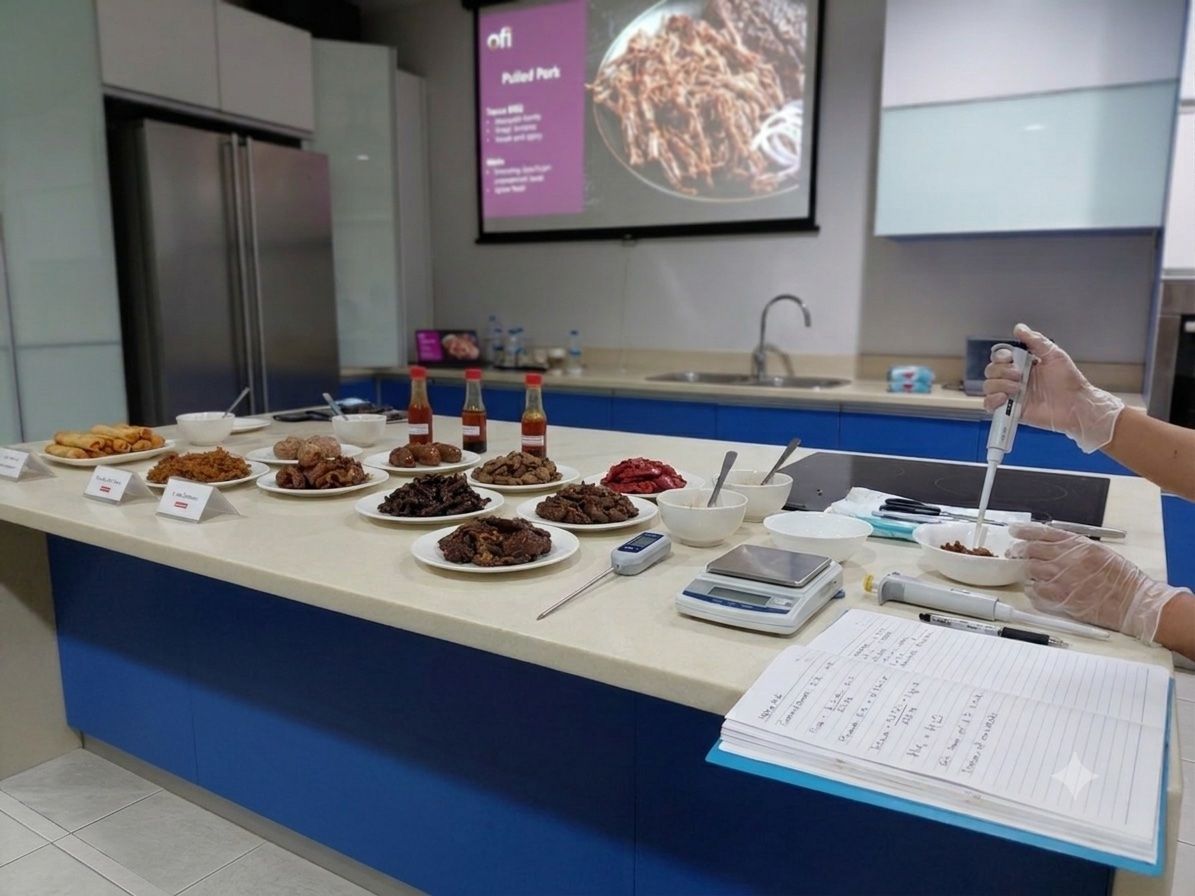
By Mario V. Capanzana, PhD, RChE, PFT Executive Director, Philippine Chamber of Food Manufacturers Inc. (PCFMI)

San Miguel Foods (SMF) joined the Department of Trade and Industry's (DTI) Tatak Pinoy event held from May 25 to 27, 2026 at the SMX Convention Center Manila in Pasay City — a three-day showcase celebrating the strength, diversity, and global competitiveness of Philippine industries. The event brought together key sectors of the Philippine economy, including Information Technology and Business Process Management, Food and Agro-Processing, Semiconductors, Pharmaceuticals, and Defense Manufacturing, among others. More than an exhibit, Tatak Pinoy served as a platform for industry linkages, investment promotion, and the advancement of locally manufactured products in both domestic and international markets.

Food is fuel—but not all diets are the same. A person going about daily life has very different nutrition needs than an athlete training hard every day. Understanding these differences can help you eat smarter, stay healthy, and perform your best.
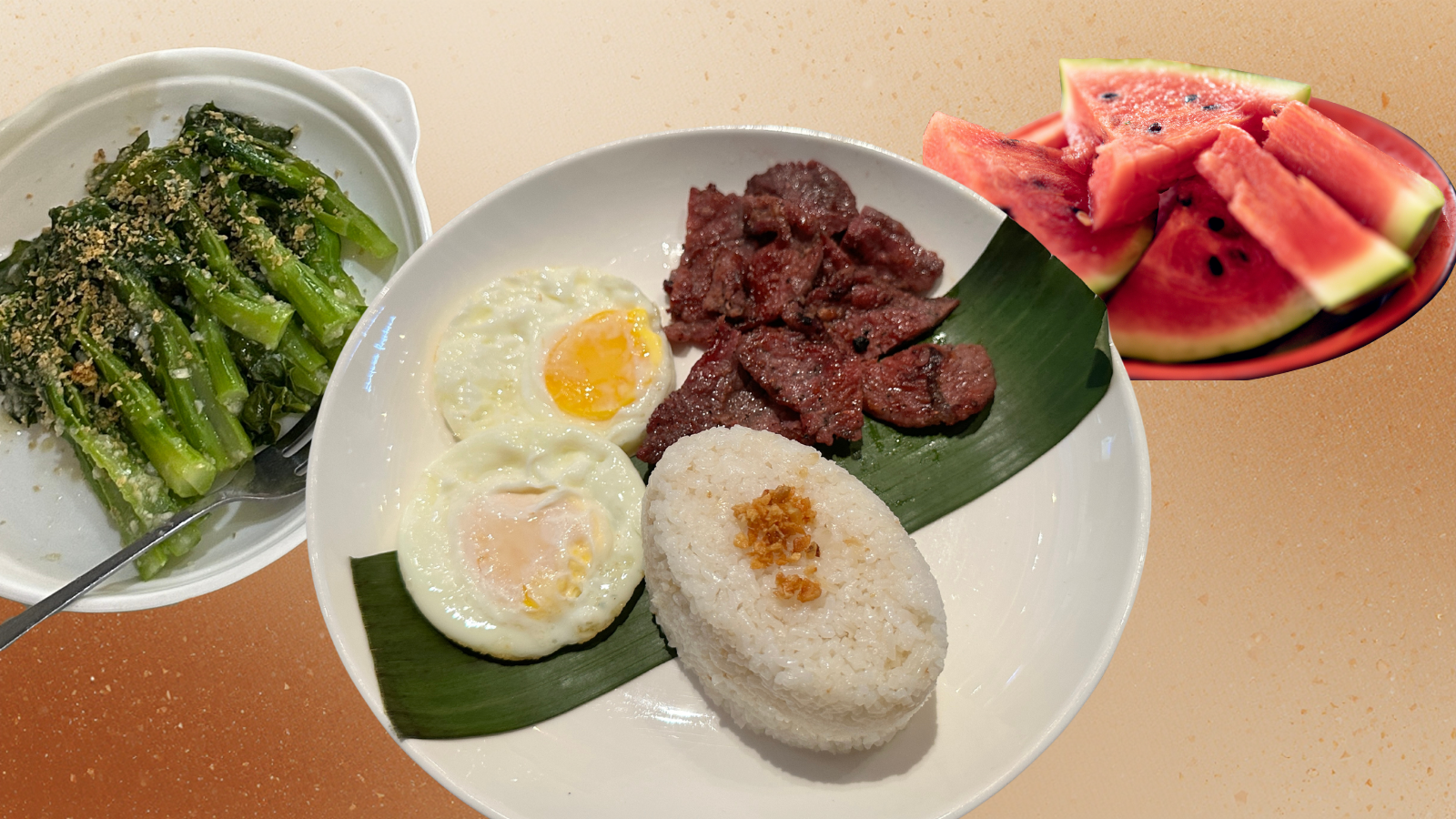
What Is an Intelligent Diet? An intelligent diet is a practical expression of personalized nutrition. It provides the right nutrients, in the right amounts, at the right time, for the right person. Instead of labeling foods as “good” or “bad,” it focuses on how foods fit into an individual’s lifestyle and health goals.
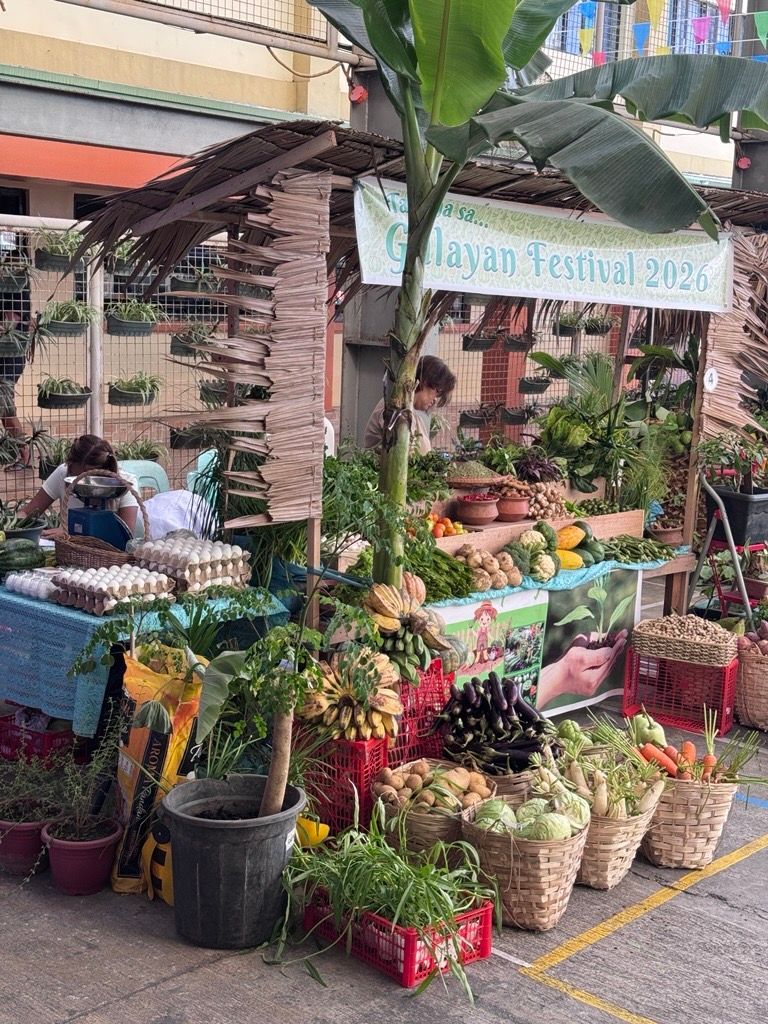
Healthy eating starts with knowledge, access to nutritious ingredients, and simple ways to prepare meals at home. This was the focus of the Gulayan Festival 2025–2026 (Division Level) , organized by the Schools Division Office of Quezon City on March 6, 2026, with San Miguel Foods’ Star Nutri-Meats proudly supporting school gardens, nutrition education, and practical cooking for Filipino families.
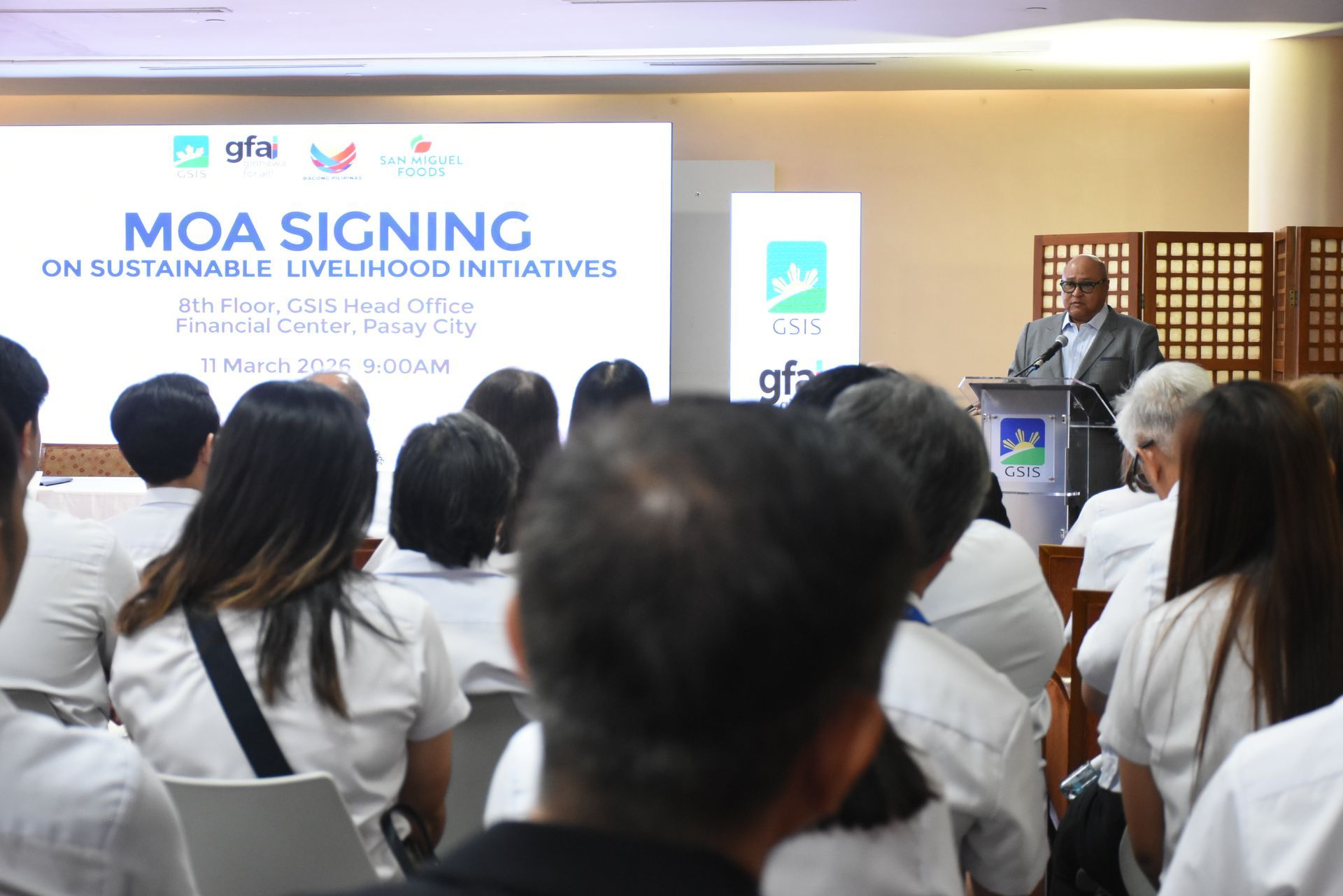
San Miguel Foods (SMF) has partnered with the Government Service Insurance System (GSIS) to make its livelihood and small business programs more accessible to GSIS members, pensioners, dependents, and eligible public sector cooperatives and unions. Through the partnership, GSIS stakeholders will have a dedicated channel to access SMF's livelihood and community reseller programs, which are also available to other interested participants nationwide. Qualified applicants may become community resellers of SMF products for as low as P2,000, with no franchise or royalty fee required. They will gain access to a wide range of trusted food products, including hotdogs, nuggets, bacon, corned beef, luncheon meat, ice cream, cheese, margarine, salad aids, and coffee mixes. Selected partners may also offer Magnolia Chicken products, including Magnolia Timplados.
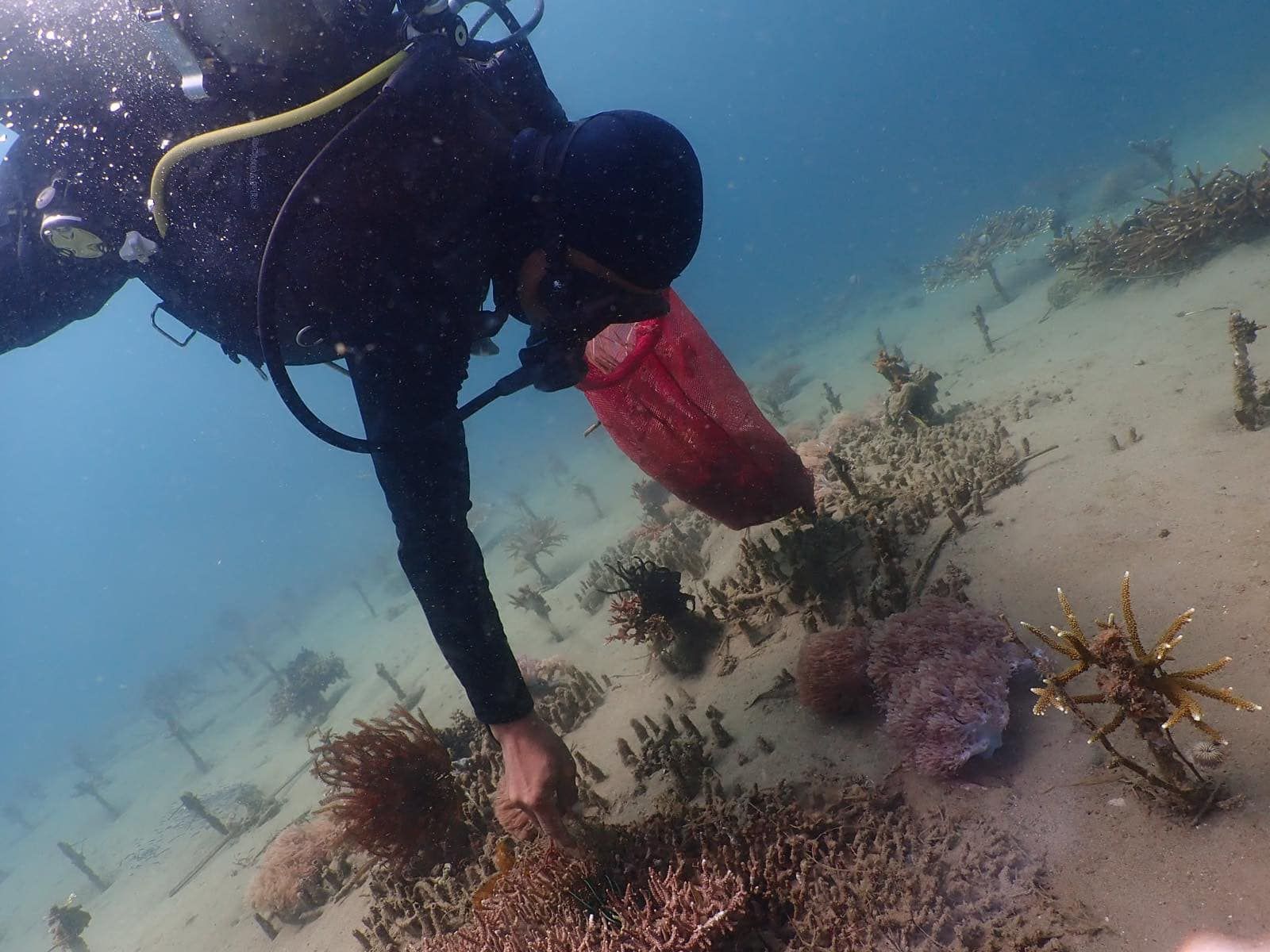
San Miguel Foods (SMF) strengthened its commitment to marine biodiversity conservation with the latest deployment of its Coral Rescue Program in Anilao, Mabini, Batangas—home to the company’s San Miguel Mills flour milling plant, B-MEG feedmill, and Golden Bay Grain Terminal. Last month, nine licensed divers transplanted 150 new coral fragments under the guidance of a marine biologist. This latest activity builds on SMF’s three-year effort to restore a once-barren stretch of seafloor into a growing, life-sustaining reef. A three-year journey of marine restoration SMF launched the Coral Rescue Program in 2022, planting 110 initial coral fragments that achieved an 80% survival rate. This early success encouraged the return of over 610 individual reef fish from 31 species, showing clear signs of ecological recovery. The program expanded further in 2024 with 215 additional coral fragments planted by employee volunteers and partner divers. These efforts grew the rehabilitated reef area to over 570 square meters and attracted 35 fish species from 17 families, along with reef-associated organisms such as sea stars, tunicates, corallimorpharians, feather stars, anemones, and sea cucumbers. 2025 Results: More life, more color, more growth With the most recent coral rescue dive, the reef continues to flourish. The site now supports: 34 fish species More than 2,000 individual reef fish Over 100 kg of total fish biomass A growing community of reef-associated invertebrates These numbers highlight a thriving marine habitat and reflect the long-term impact of consistent, science-based reef restoration. Powered by passionate volunteers One of the program’s staunch advocates is an employee who is a licensed diver, and who is present every year and volunteers his time, skills, and passion for environmental stewardship. Sid Buenaflor, a B-MEG sales account specialist, says, “It’s fulfilling to see life slowly returning to an area that used to be bare. Knowing our small actions can help restore balance to the ocean is incredibly rewarding.” Part of SMF’s Handog Kalikasan advocacy The Coral Rescue Program is implemented under Handog Kalikasan, one of the pillars of San Miguel Foods’ flagship CSR program, Handog. This program also supports initiatives in health (Kalusugan), education (Karunungan), and community development (Komunidad). Through Handog Kalikasan, San Miguel Foods continues to invest in long-term environmental protection, helping safeguard the natural ecosystems that sustain local communities.