September 17, 2026
Food-Informed Choices: Understanding Food Beyond the Label
With so much nutrition information available today, choosing what to eat can sometimes feel overwhelming. Food labels, health claims, social media posts, and nutrition advice can all influence the way we see and choose our food.
The good news? Making better food choices does not require following complicated rules. It starts with understanding the information available and putting it into context.
Being food-informed means looking beyond simple claims, asking thoughtful questions, and considering how each food fits into your overall eating pattern.
Learn to read beyond the front of the pack
The front of a food package is designed to catch our attention. Words, images, and nutrition-related claims can quickly communicate what a product wants us to notice.
But making an informed choice requires us to take a closer look
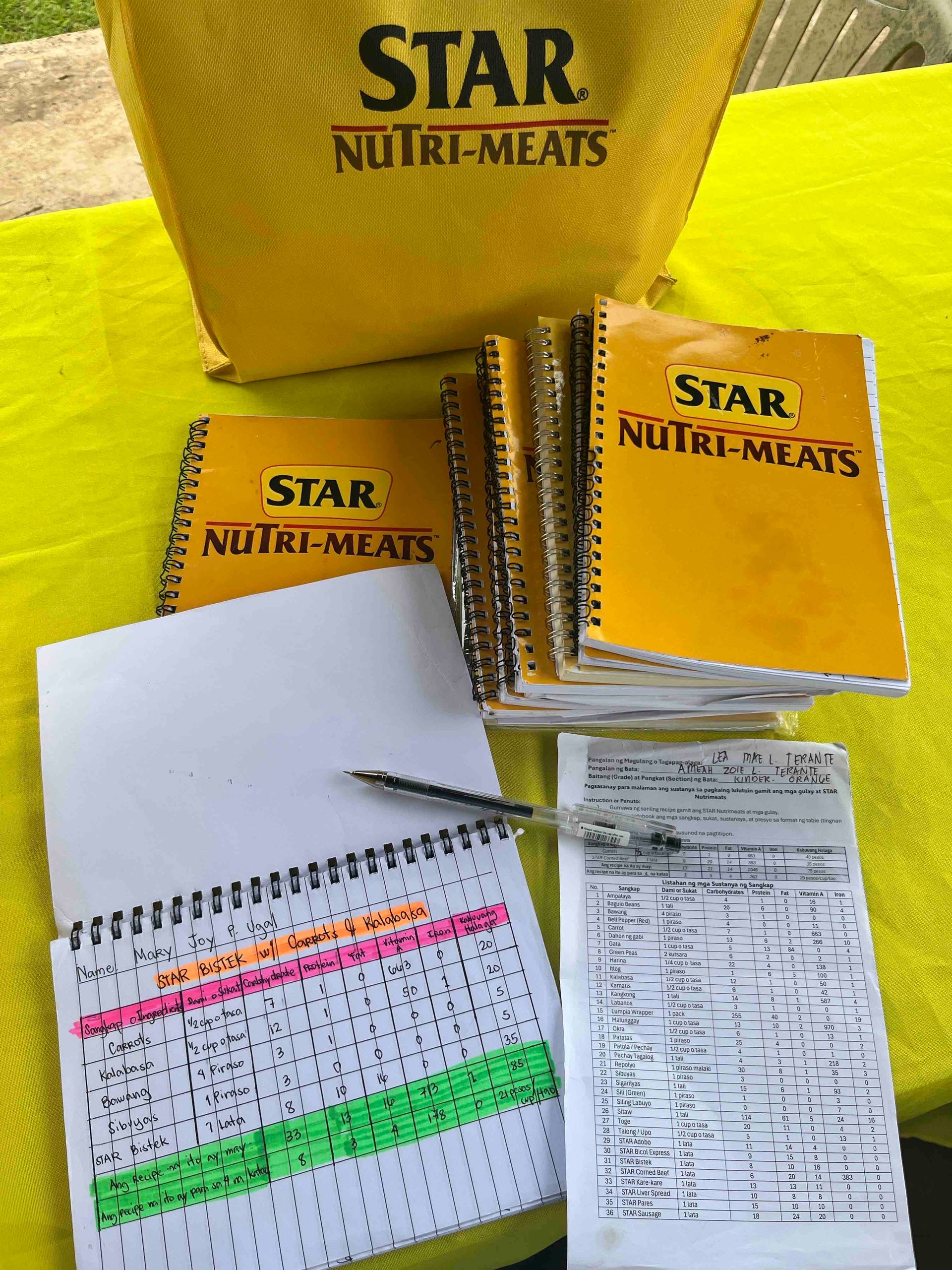

The Nutrition Information Panel provides important details about the amount of energy and nutrients a food provides. Looking at the serving size is a good place to start, followed by nutrients such as sodium, sugars, saturated fat, protein, and fiber.
Reading the label can help answer practical questions:
How much am I eating? What nutrients does this food provide, and in what amounts? How does it compare with another option?
The information becomes even more meaningful when considered alongside how much and how often the food is consumed.
A single nutrient or ingredient does not always tell the whole story.
Nutrition is multidimensional, and different foods can make different contributions to an overall eating pattern.
Put nutrition information into context
Nutrition recommendations are most useful when they can be applied to real life.
Food choices are influenced by many factors—including budget, availability, culture, taste, cooking skills, time, family preferences, and individual nutritional needs. A food choice that works well for one person or family may not necessarily work for another.
Being food-informed means using nutrition information while recognizing these everyday realities.

It also means approaching nutrition advice with a critical eye. Be cautious of messages that promise quick fixes, encourage unnecessary elimination of entire food groups, or suggest that one ingredient alone determines whether a food—or an entire diet—is healthy or unhealthy.
When seeking nutrition advice, consider the source and the evidence behind the claim, particularly when information comes from social media or other informal sources.
Instead, consider the
overall eating pattern and how individual foods contribute to it.
From food rules to food understanding
Healthy eating is not about following a perfect diet or avoiding certain foods. It is about understanding your food choices and how they fit into an overall balanced eating pattern.
It is about variety, balance, moderation, and informed decision-making that considers individual nutritional needs.
When we look at food information in context and consider each choice as part of the bigger picture, we are better equipped to make decisions that are nutritious, practical, and realistic for everyday life.
Because better food choices don’t begin with fear or perfection. They begin with understanding.
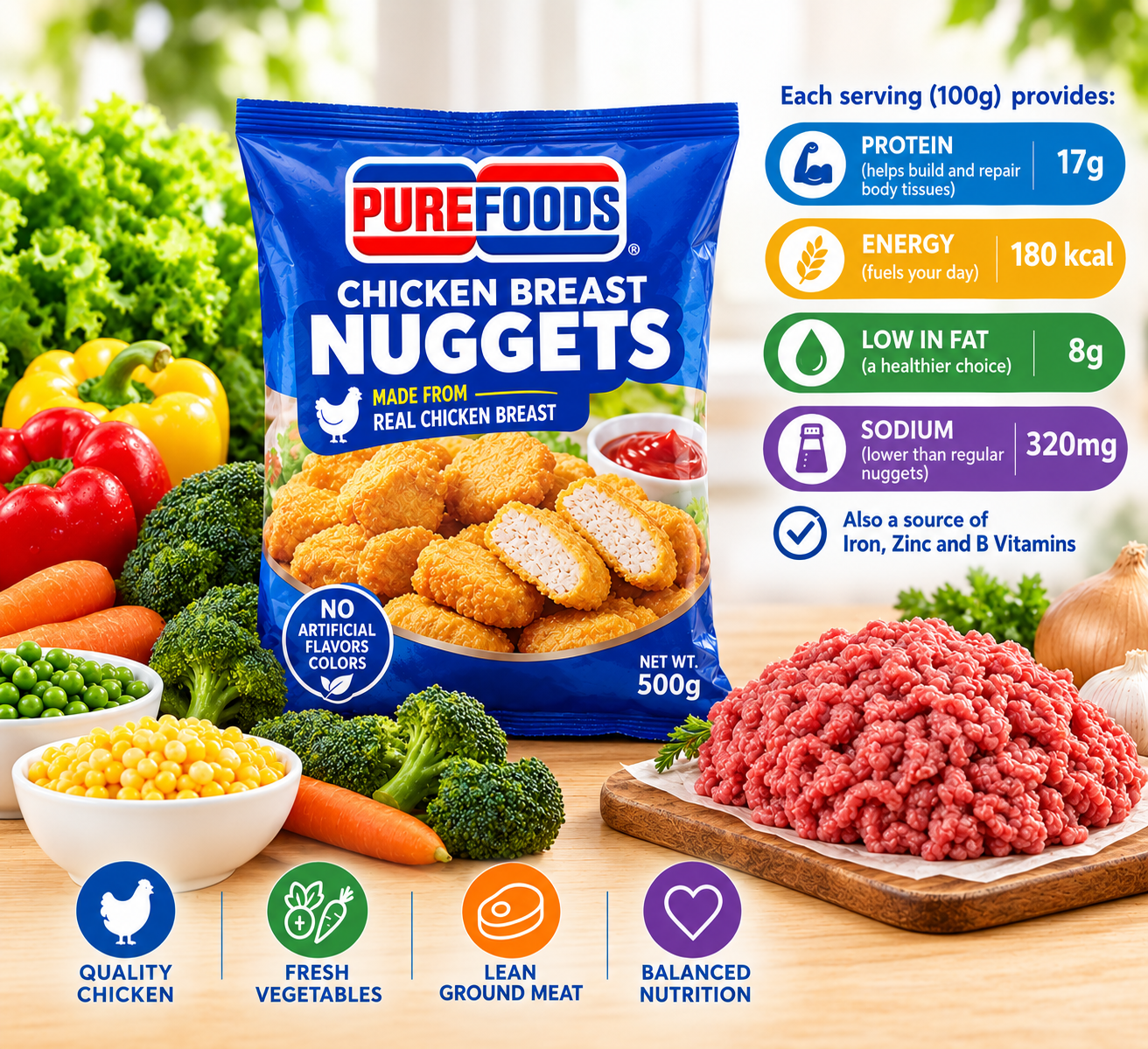
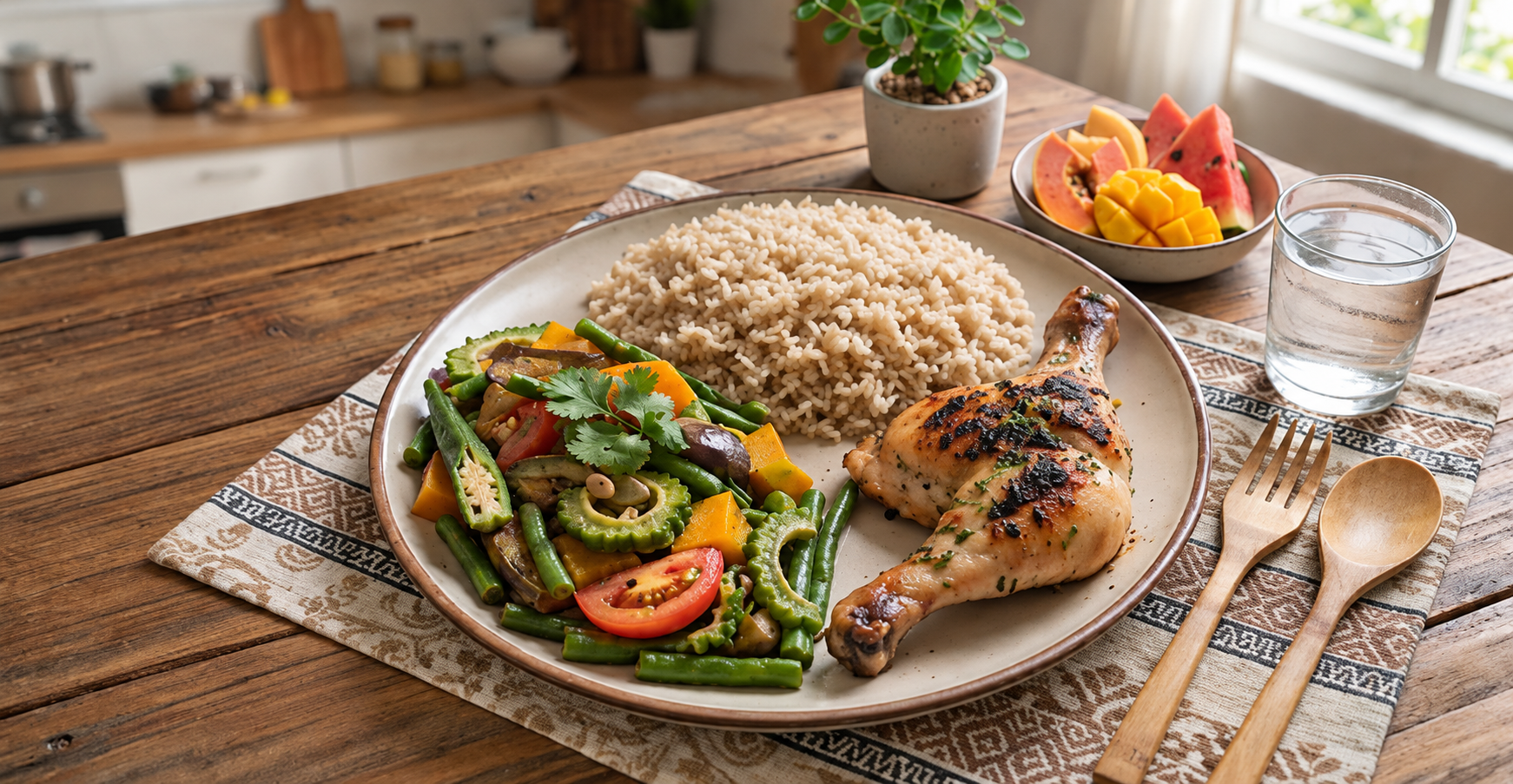
Why understanding portions, not avoiding food, is key to balanced and sustainable nutrition
With busy schedules, family responsibilities, and countless food choices available every day, it can be easy to put nutrition and wellness on the back burner. We may know what a balanced lifestyle looks like, but putting it into practice is another story. The good news? Healthy living does not have to mean making drastic changes. Sometimes, it starts with simply pausing and asking ourselves: How well am I taking care of my nutrition and overall well-being?
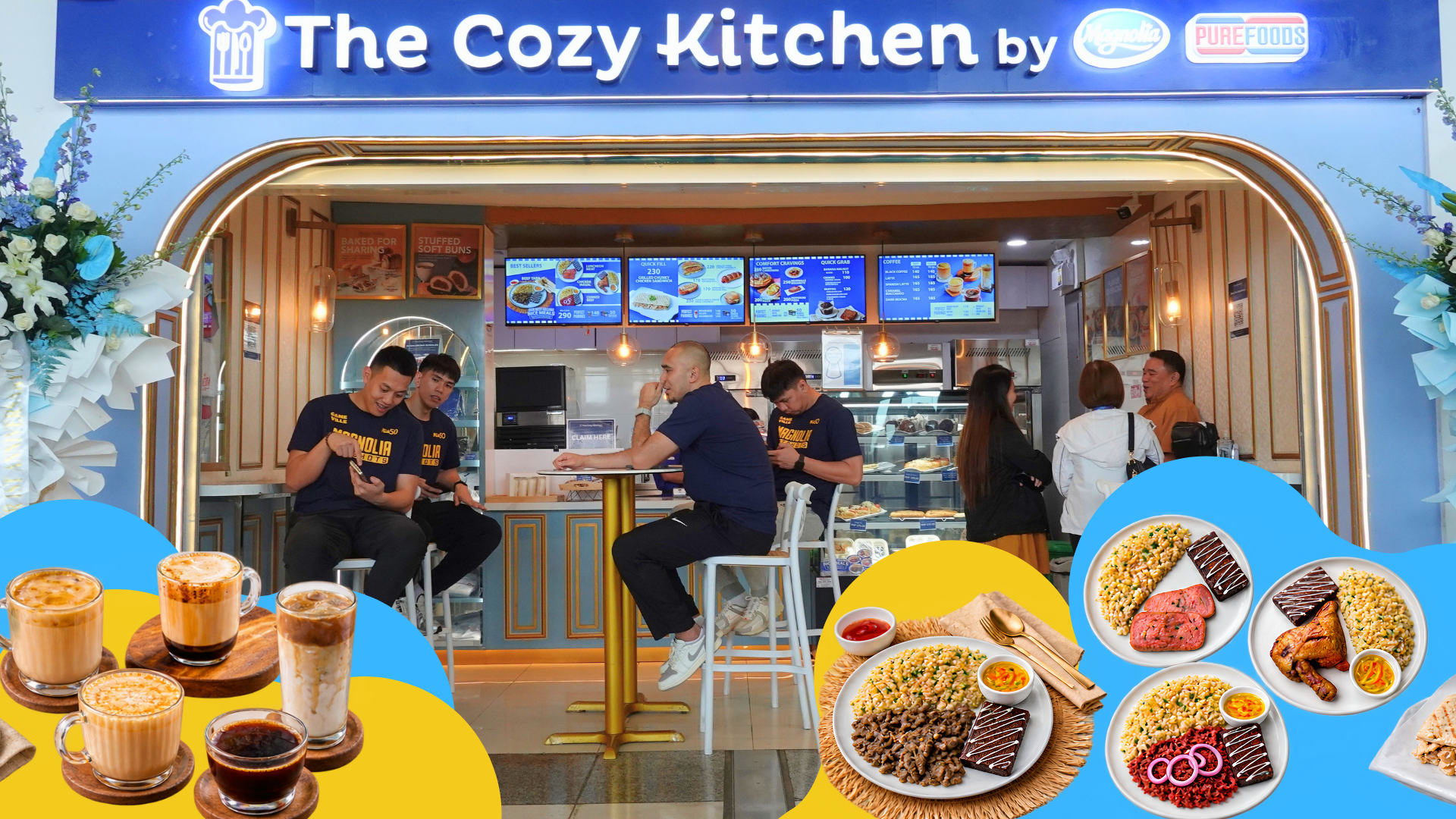
For many Filipinos, the airport is more than just a place to catch a flight. It marks the start of long-awaited vacations, emotional homecomings or important business trips. In the middle of the rush, food can offer a welcome pause, providing travelers with a sense of familiarity before they head to their next destination. At the Ninoy Aquino International Airport (NAIA), passengers can find familiar Filipino flavors through food concepts that bring together well-loved meals and favorite street food snacks.

Dati, akala ko ay madali lang gawing healthy ang pagkain ng pamilya. Kumain ng mas maraming gulay at prutas. Bawasan ang matatamis at maalat. Siguraduhing nakakakain nang maayos ang mga anak. Simple lang, 'di ba? Pero iba pala kapag nanay ka na kailangang mag-plano ng lulutuin -- mamamalengke, mag-bubudget, maghahanda ng pagkain, at sisiguraduhing makakakain ang lahat. Kaya ang akala ko ay magkaiba ang masustansiyang pagkain at pagkaing madaling lutuin araw-araw .

What happens when nutrition education moves beyond the classroom and into the everyday realities of Filipino families?

San Miguel Food and Beverage, Inc. (SMFB) held its Annual Stockholders' Meeting on June 3, 2026, at the SMC Head Office Complex Executive Dining Room, with stockholders able to participate both in person and via livestream. During the meeting, management presented the Group's full-year 2025 and first-quarter 2026 results and discussed key priorities for its three core businesses—San Miguel Foods, San Miguel Brewery, and Ginebra San Miguel. SMFB’s first-quarter net income rose 2% to P11.8 billion, supported by gains in its food and spirits businesses, stable beer performance, and disciplined cost management amid a more uncertain operating environment.

Supporting Better Digestion in a Desk-Bound Work Environment
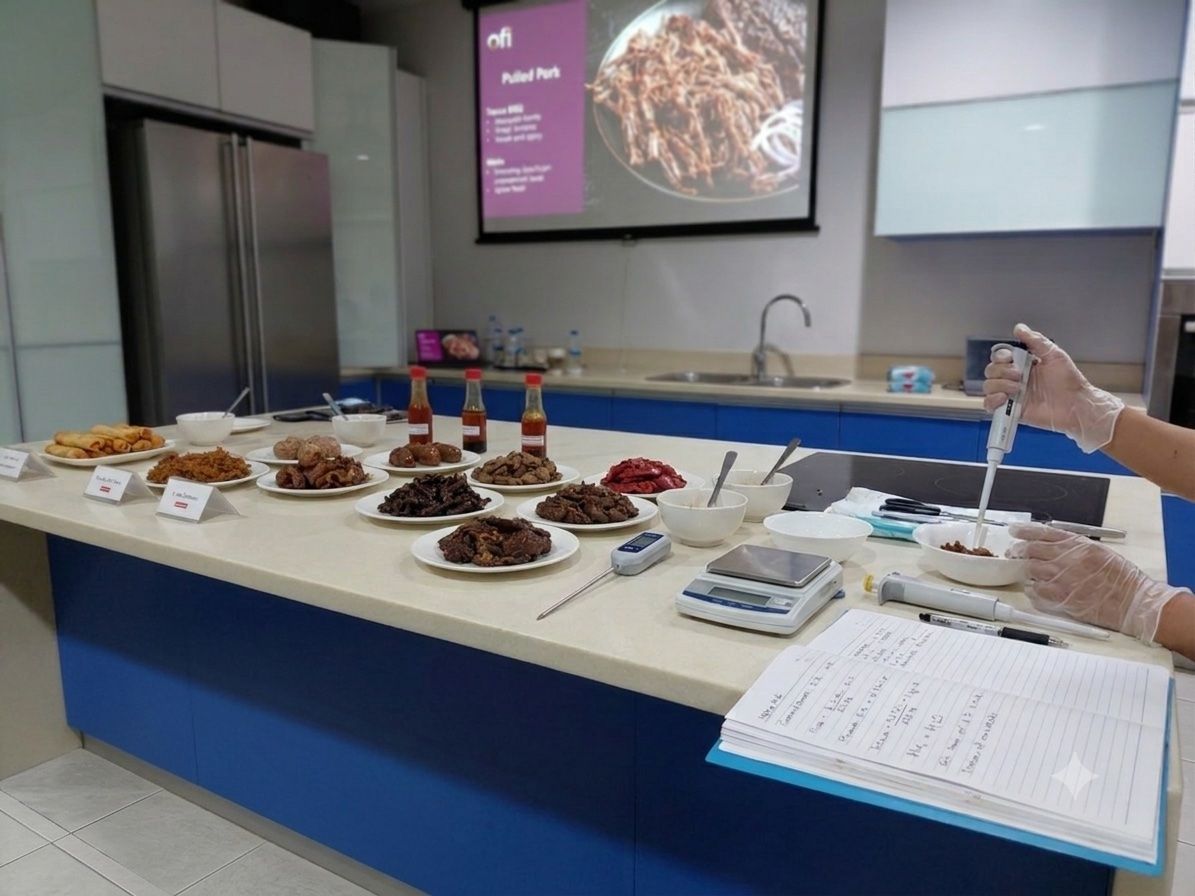
By Mario V. Capanzana, PhD, RChE, PFT Executive Director, Philippine Chamber of Food Manufacturers Inc. (PCFMI)

San Miguel Foods (SMF) joined the Department of Trade and Industry's (DTI) Tatak Pinoy event held from May 25 to 27, 2026 at the SMX Convention Center Manila in Pasay City — a three-day showcase celebrating the strength, diversity, and global competitiveness of Philippine industries. The event brought together key sectors of the Philippine economy, including Information Technology and Business Process Management, Food and Agro-Processing, Semiconductors, Pharmaceuticals, and Defense Manufacturing, among others. More than an exhibit, Tatak Pinoy served as a platform for industry linkages, investment promotion, and the advancement of locally manufactured products in both domestic and international markets.

Food is fuel—but not all diets are the same. A person going about daily life has very different nutrition needs than an athlete training hard every day. Understanding these differences can help you eat smarter, stay healthy, and perform your best.